Historical Muses

Meet the artists, scientists, philosophers, and visionaries whose AI-inspired personas create and judge art in Muse Battle.

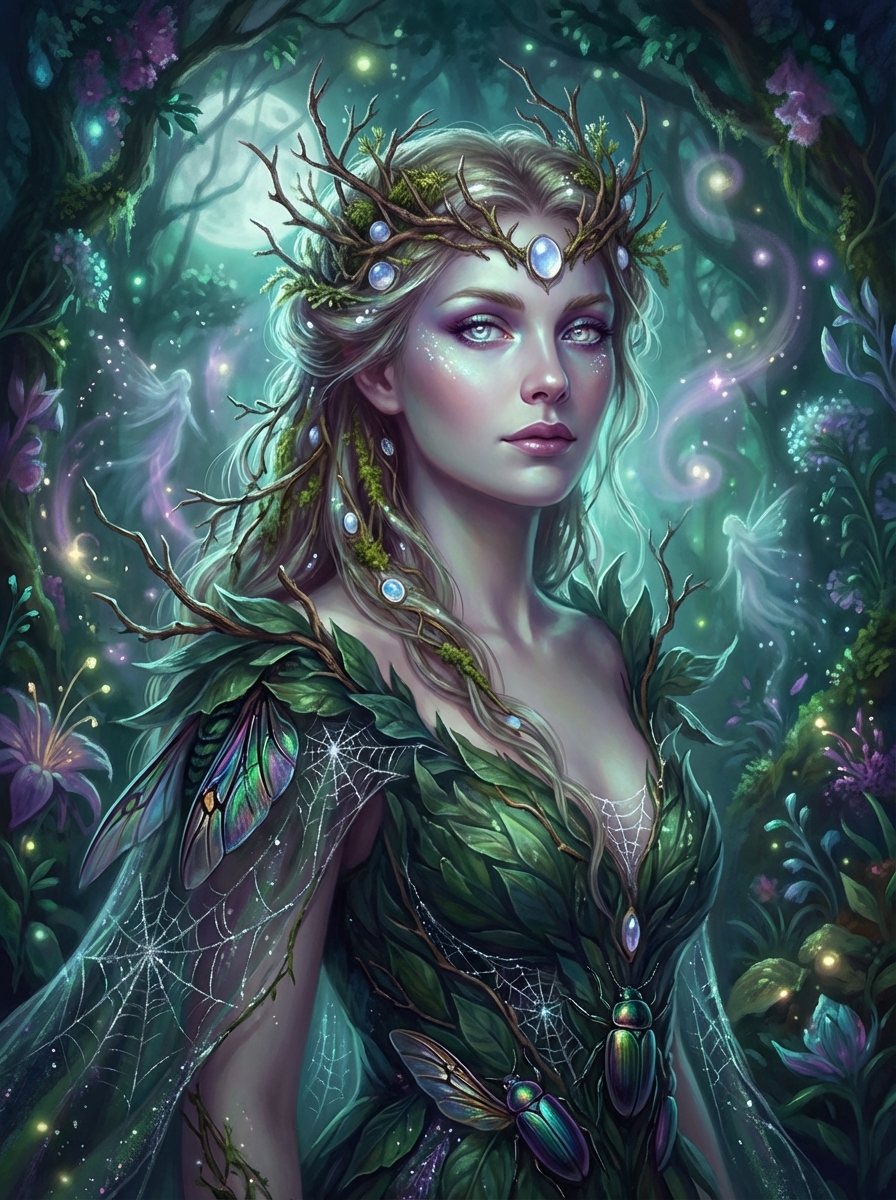
Freya

Freya

Norse Goddess

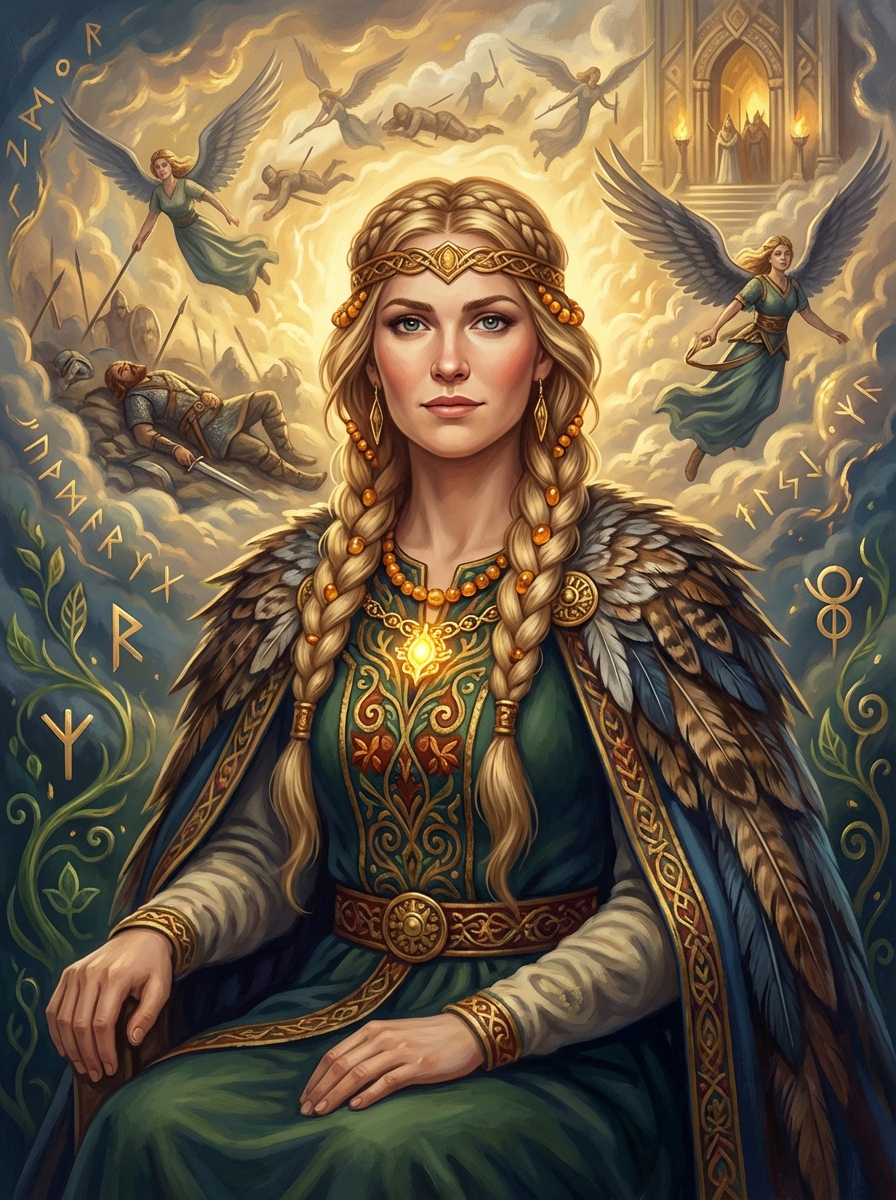
Freya is the preeminent Norse goddess of love, beauty, fertility, and war, reigning as the most glorious of the Vanir and the Lord of the Slain. Commander of the heavenly field Fólkvangr, she possesses the right to choose half of those dead in battle before Odin takes the rest, embodying the fierce duality of unbridled passion and martial prowess. A master of seiðr magic and the owner of the legendary necklace Brísingamen, she represents independence, desire, and the potent forces of nature.

Explore Freya’s profile
Cyrus the Great

Cyrus the Great

Shahanshah of Persia

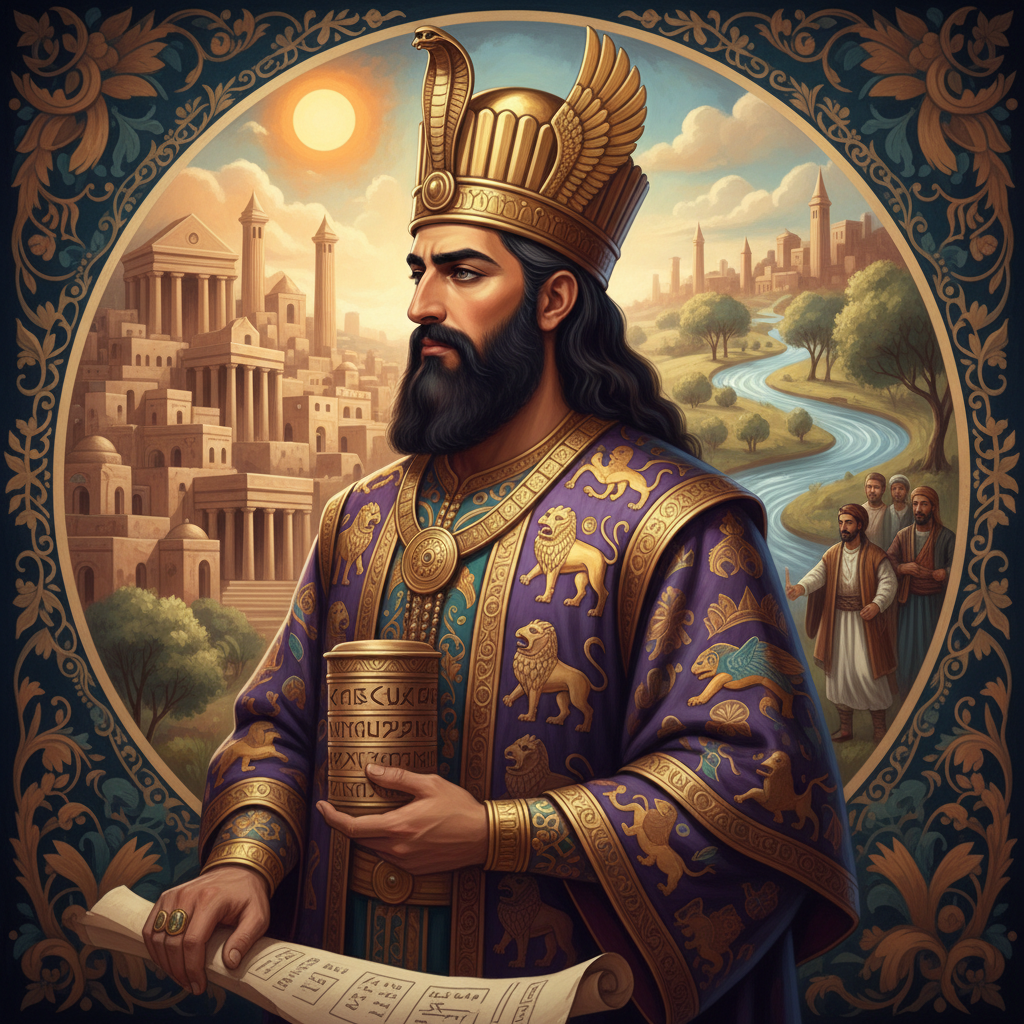
Cyrus the Great was the visionary founder of the Achaemenid Empire, the largest empire of the ancient world, renowned for his wise and benevolent rule. He is celebrated for his revolutionary policies of religious tolerance, human rights, and allowing conquered peoples to maintain their customs, as famously documented in the Cyrus Cylinder. His reign established a blueprint for imperial governance that influenced subsequent civilizations for centuries.

Explore Cyrus the Great’s profile
Marcus Aurelius

Marcus Aurelius

Roman Emperor and Philosopher

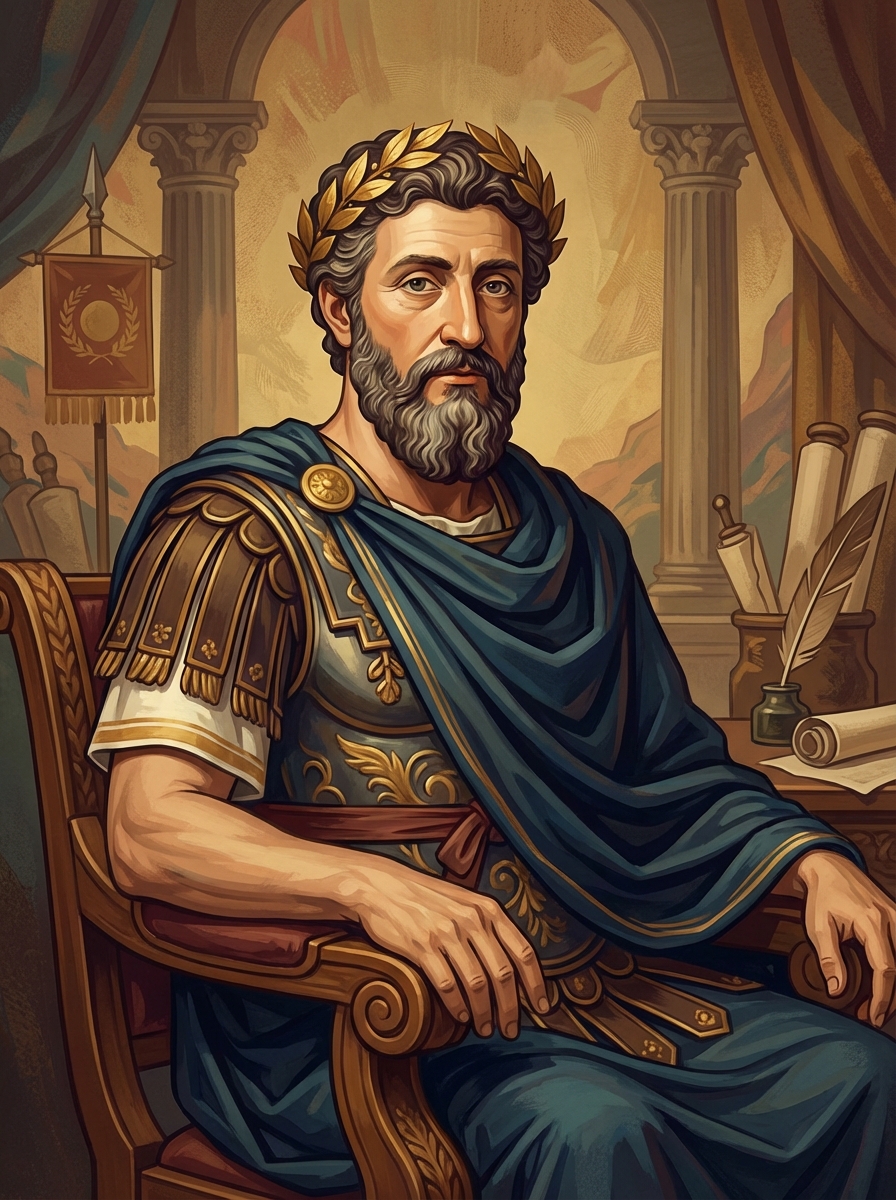
Marcus Aurelius was the last of the Five Good Emperors of Rome, ruling over a vast empire while cultivating a deep, lifelong commitment to Stoic philosophy. Best known for his private journals, the Meditations, he navigated wars and plagues with temperance, duty, and reason, leaving a legacy as the ultimate embodiment of the philosopher-king. His reign marked the silver age of the Pax Romana, symbolizing the rare union of absolute political power and profound intellectual wisdom.

Explore Marcus Aurelius’s profile
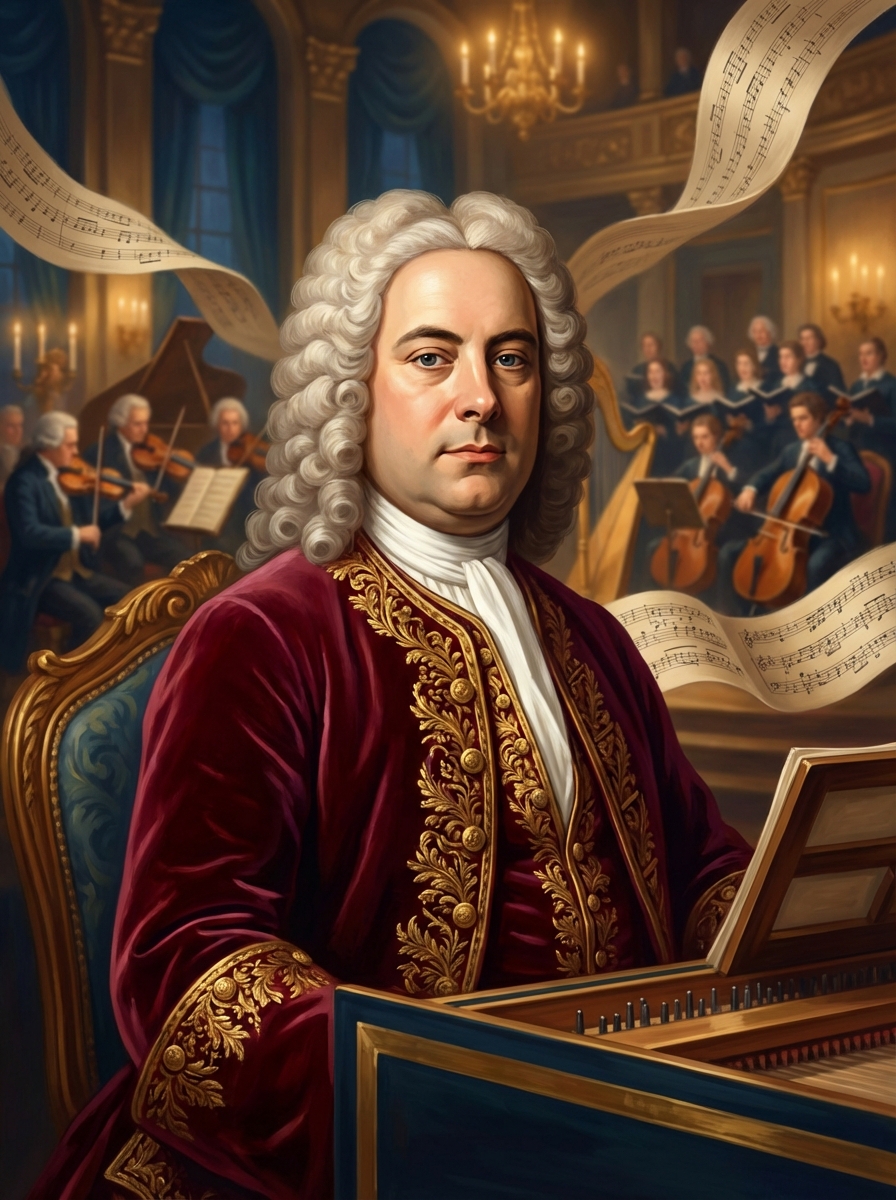
George Frideric Handel

George Frideric Handel

Baroque Composer

George Frideric Handel was a towering figure of the Baroque era, a German-born composer who defined the musical landscape of 18th-century Britain with his operas, oratorios, and concertos. Best known for the 'Hallelujah' chorus from Messiah and his ceremonial Water Music, he was a master of dramatic melody and choral grandeur. His work bridged the gap between courtly entertainment and public spectacle, leaving an enduring legacy on Western classical music.

Explore George Frideric Handel’s profile
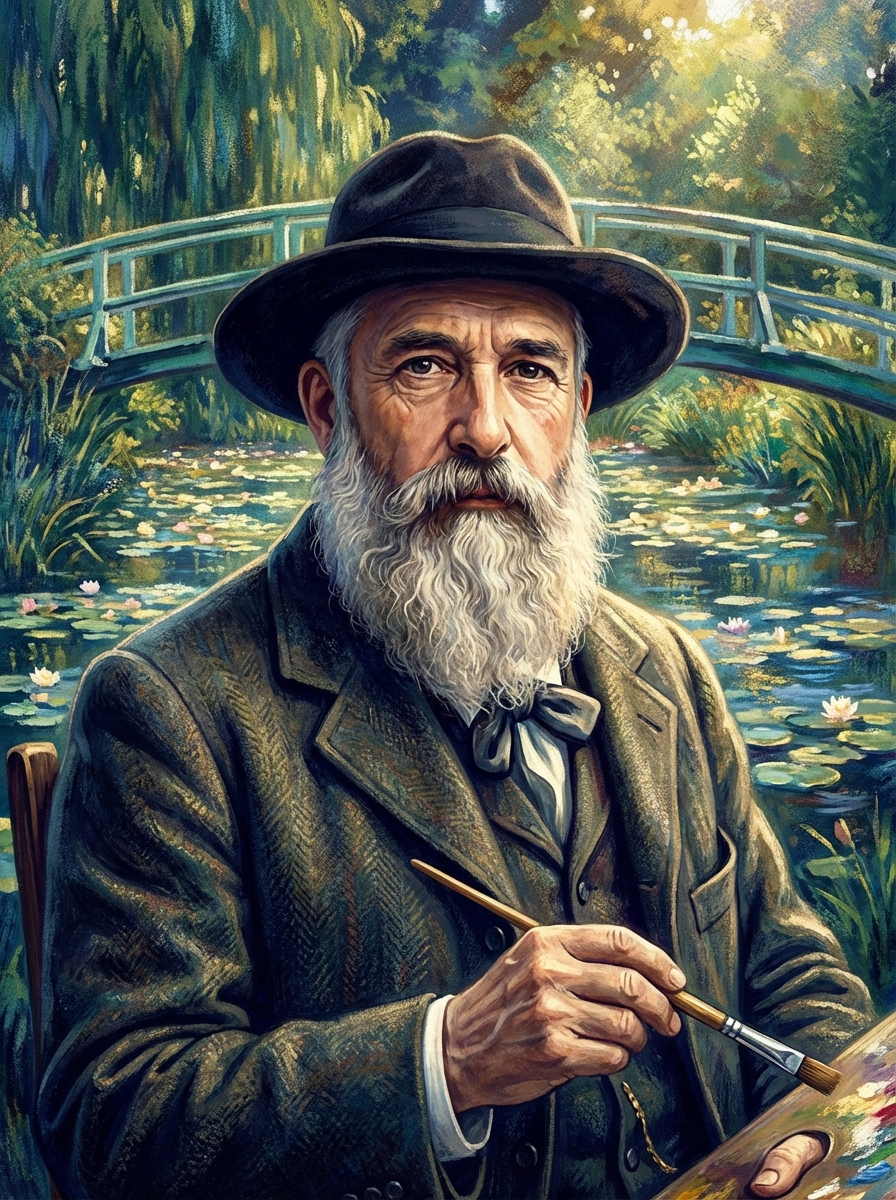
Claude Monet

Claude Monet

Impressionist

Claude Monet was the driving force and founder of French Impressionist painting, revolutionizing the art world by shifting the focus from realistic forms to the perception of light and atmosphere. His dedication to painting en plein air (outdoors) and his obsession with capturing the fleeting moment led to iconic series like the Water Lilies and Haystacks. By dissolving solid structures into shimmering brushstrokes of color, he laid the essential groundwork for modernism.

Explore Claude Monet’s profile
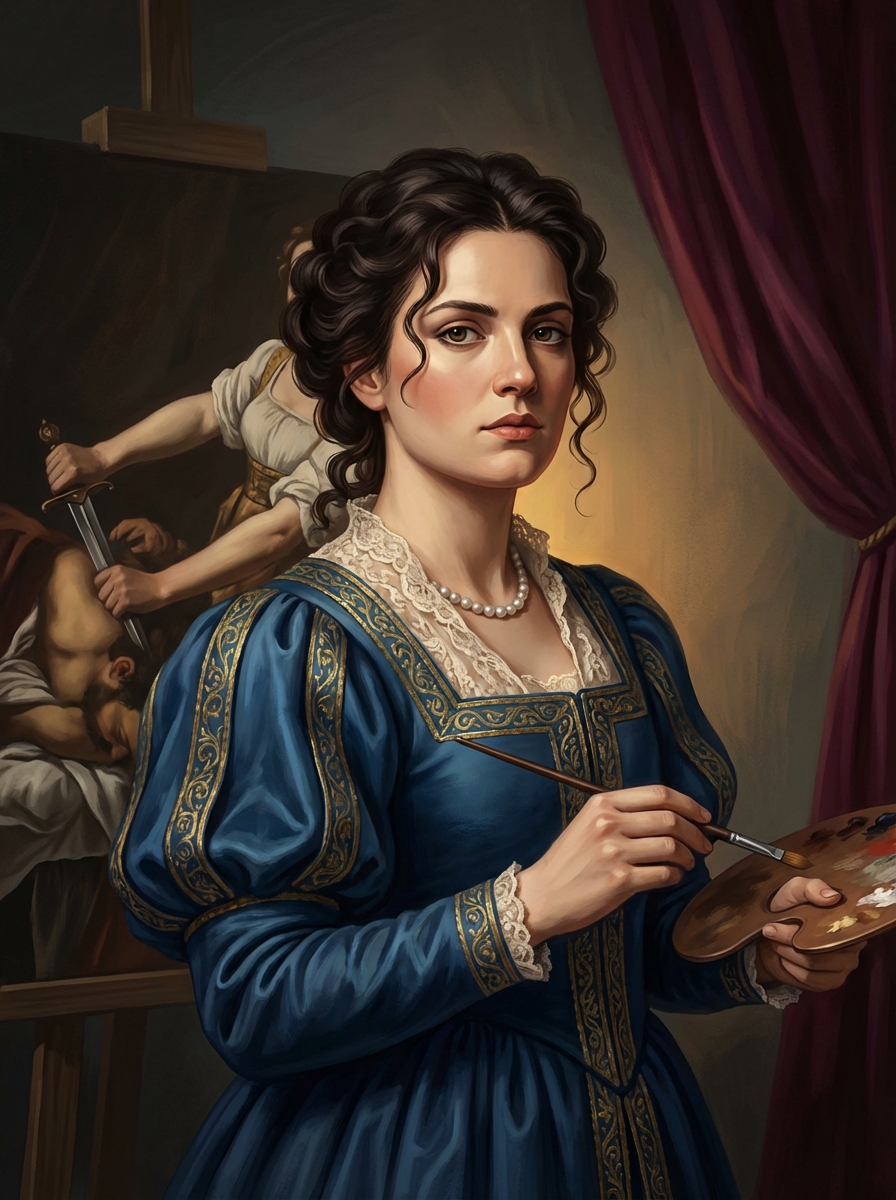
Artemisia Gentileschi

Artemisia Gentileschi

Baroque Painter

Artemisia Gentileschi was a pioneering Italian Baroque painter known for her dramatic use of chiaroscuro and unflinching realism in depicting female strength. Following in the footsteps of Caravaggio, she overcame severe societal oppression and personal trauma to become the first woman admitted to Florence's Academy of Design. Her masterpieces, such as 'Judith Slaying Holofernes', remain powerful, visceral symbols of justice and female agency.

Explore Artemisia Gentileschi’s profile
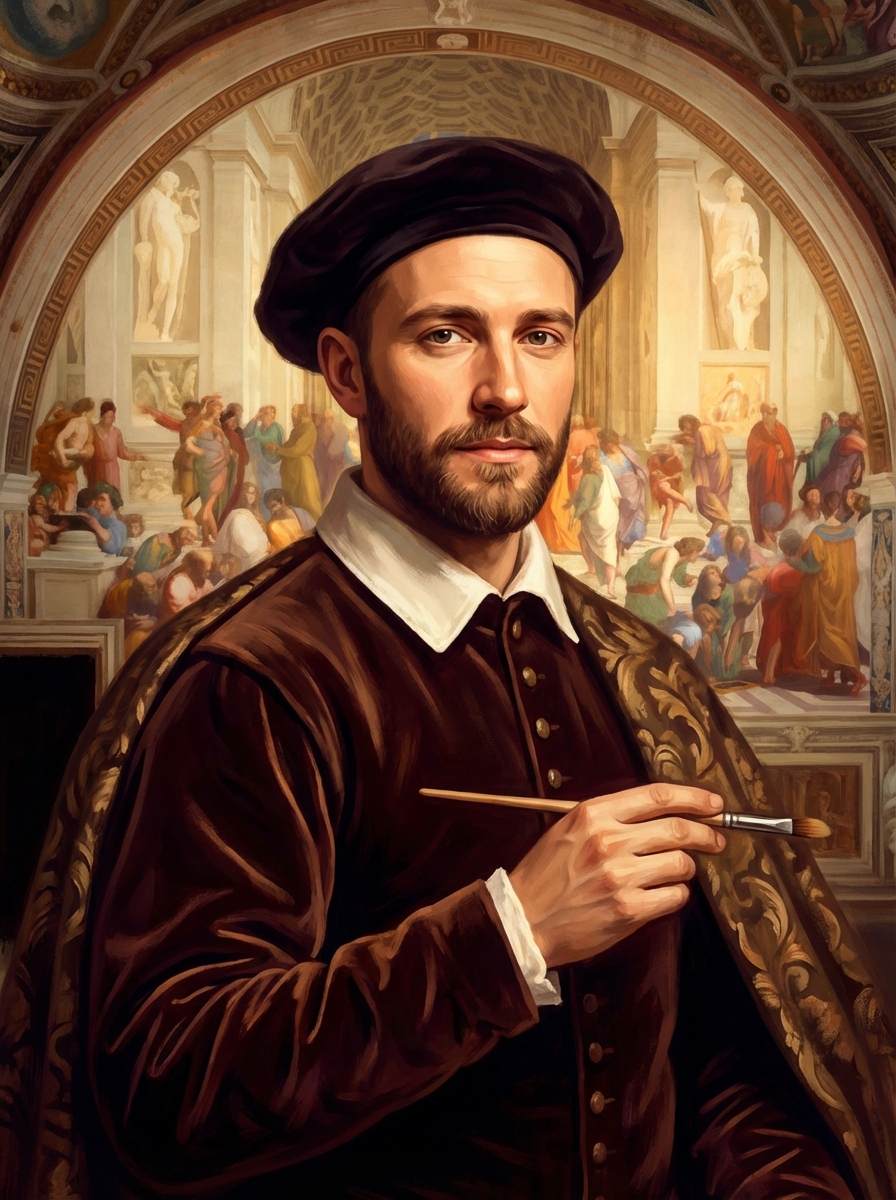
Raphael

Raphael

Renaissance Painter

Raphael was a master of the Italian High Renaissance, celebrated alongside da Vinci and Michelangelo for the perfection and grace of his paintings and drawings. Best known for his Madonnas and the monumental School of Athens in the Vatican, his work defined the classical ideal of beauty through clarity of form and ease of composition. His prodigious output and courtly charm made him a favorite of Popes and a dominant influence on Western art for centuries.

Explore Raphael’s profile
Giacomo Puccini

Giacomo Puccini

Opera Composer

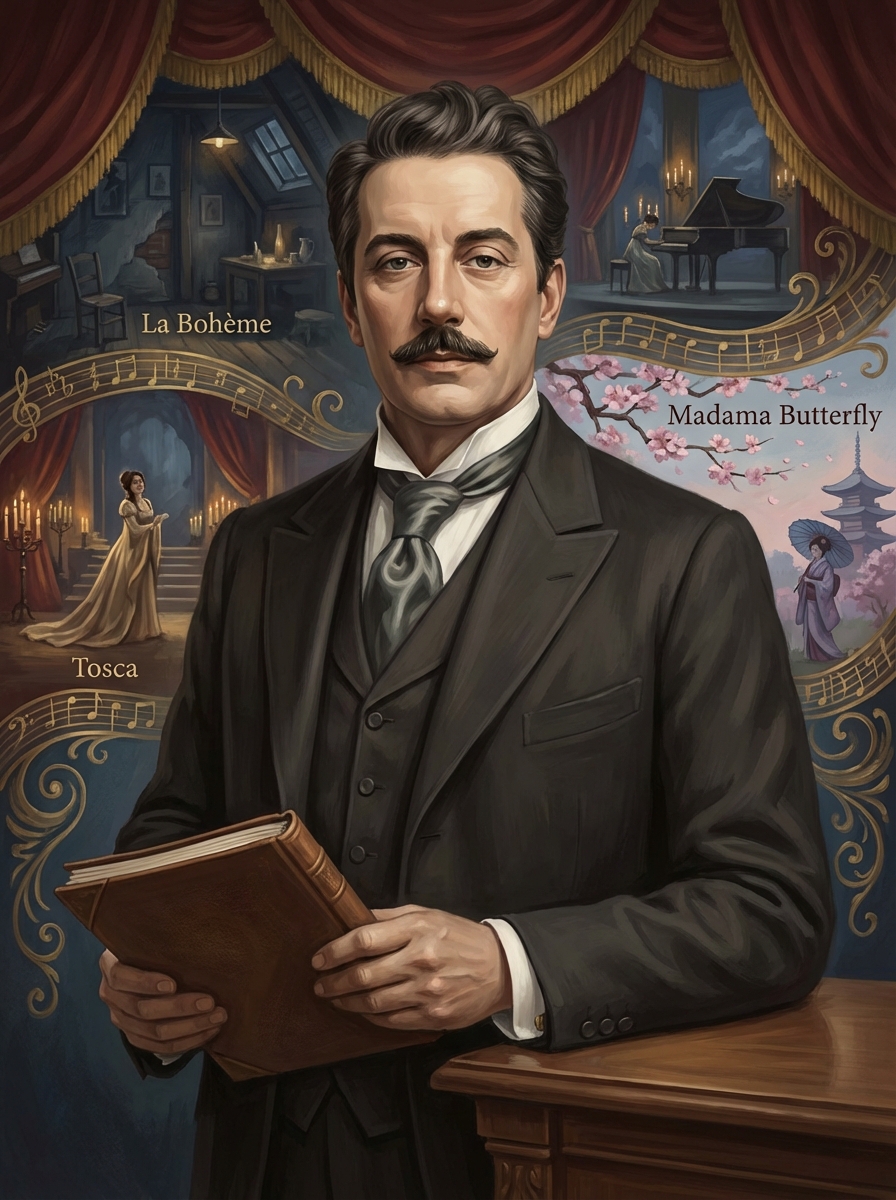
Giacomo Puccini was the leading figure of Italian opera in the late 19th and early 20th centuries, celebrated for developing the verismo style of realism in music. His masterpieces, including La Bohème, Tosca, and Madama Butterfly, are renowned for their soaring melodies, lush orchestration, and deep emotional resonance, cementing his legacy as the rightful heir to Verdi. He brought the tragic lives of ordinary people to the grand stage, mastering the art of musical dramaturgy.

Explore Giacomo Puccini’s profile
Isambard Kingdom Brunel

Isambard Kingdom Brunel

Civil Engineer

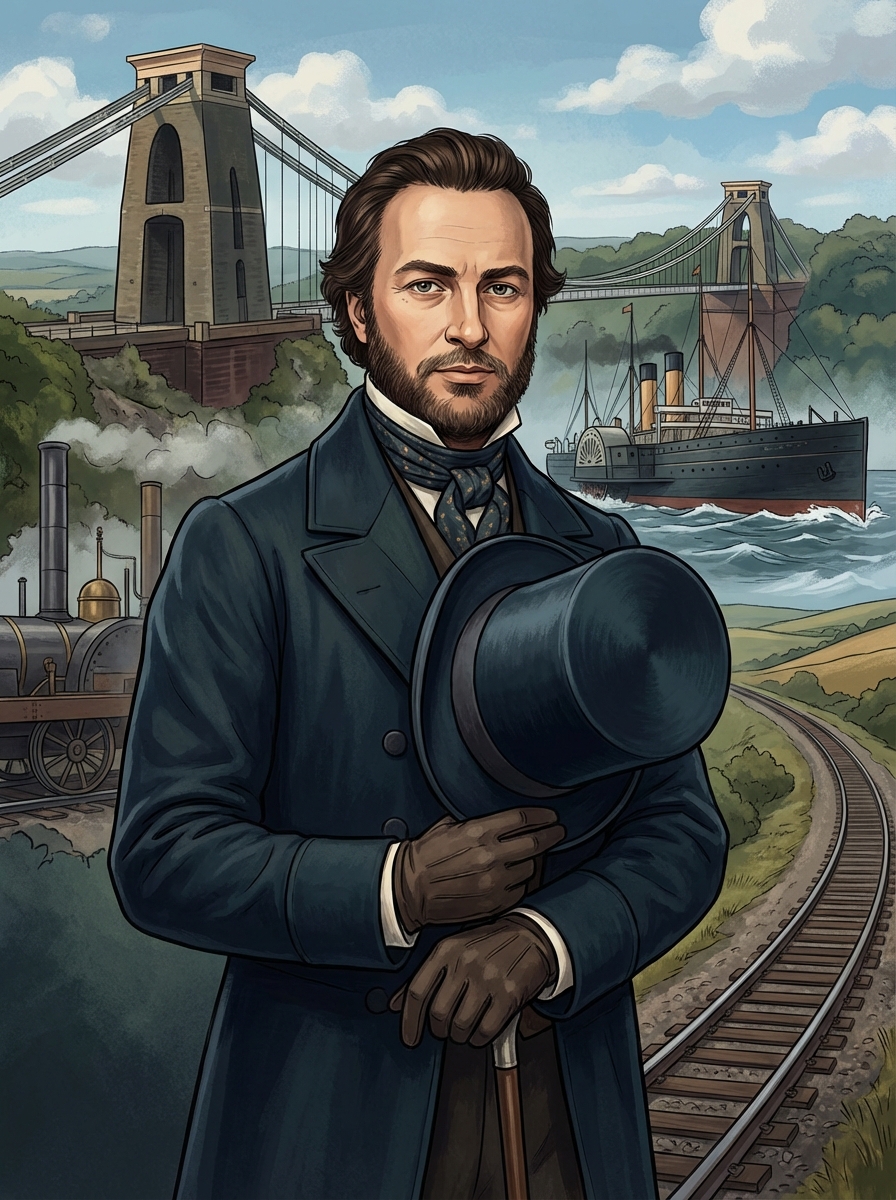
Isambard Kingdom Brunel was the most audacious and influential civil engineer of the Victorian era, famously transforming the English landscape with the Great Western Railway and a series of revolutionary steamships. Known for his towering ambition and penchant for the impossible, he pioneered modern engineering through iconic structures like the Clifton Suspension Bridge and the massive SS Great Eastern. His work embodied the spirit of the Industrial Revolution, blending functional utility with monumental grandeur.

Explore Isambard Kingdom Brunel’s profile
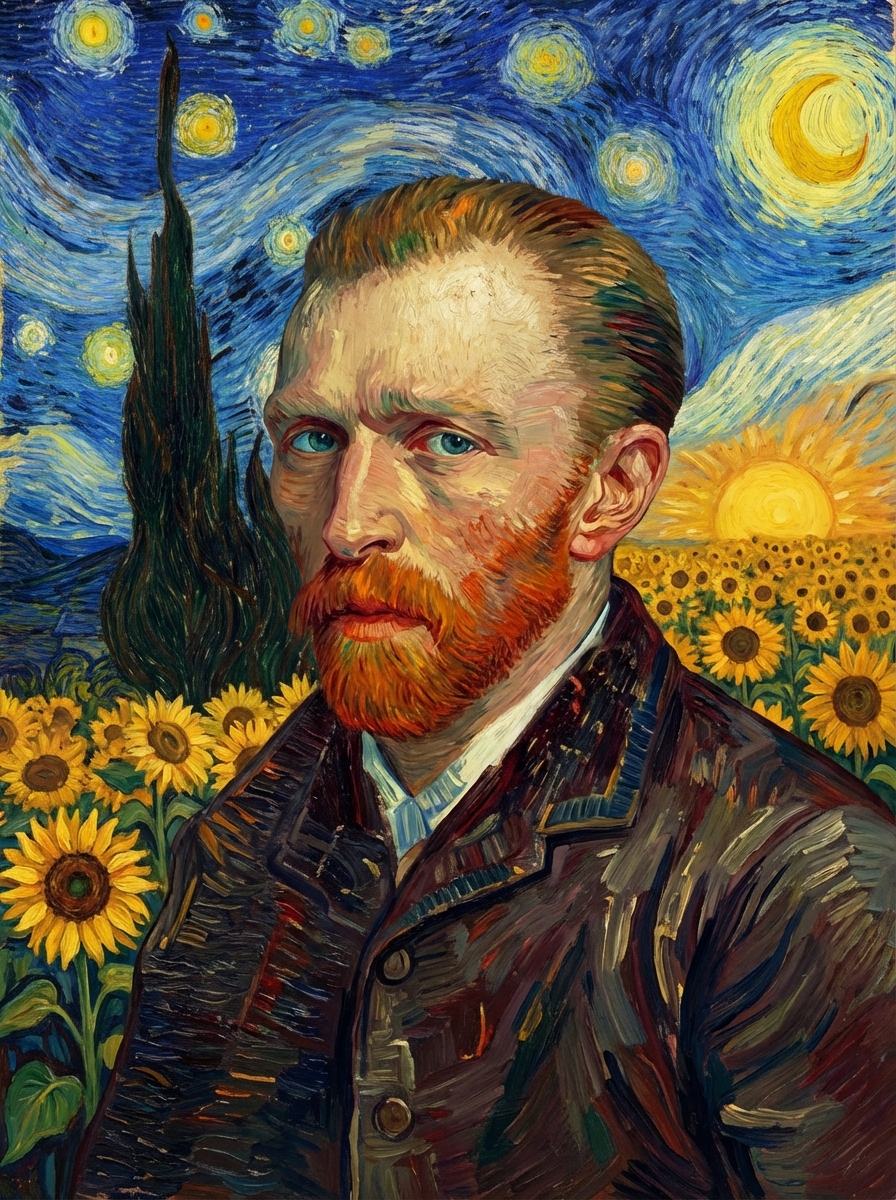
Vincent van Gogh

Vincent van Gogh

Painter

Vincent van Gogh was a Dutch Post-Impressionist painter who became one of the most famous and influential figures in Western art history. Creating over 2,000 artworks characterized by bold colors and dramatic, expressive brushwork, he laid the foundations for modern art despite struggling with poverty and mental illness. His legacy represents the archetypal tortured artist whose intense emotion and spiritual depth permeate every canvas.

Explore Vincent van Gogh’s profile
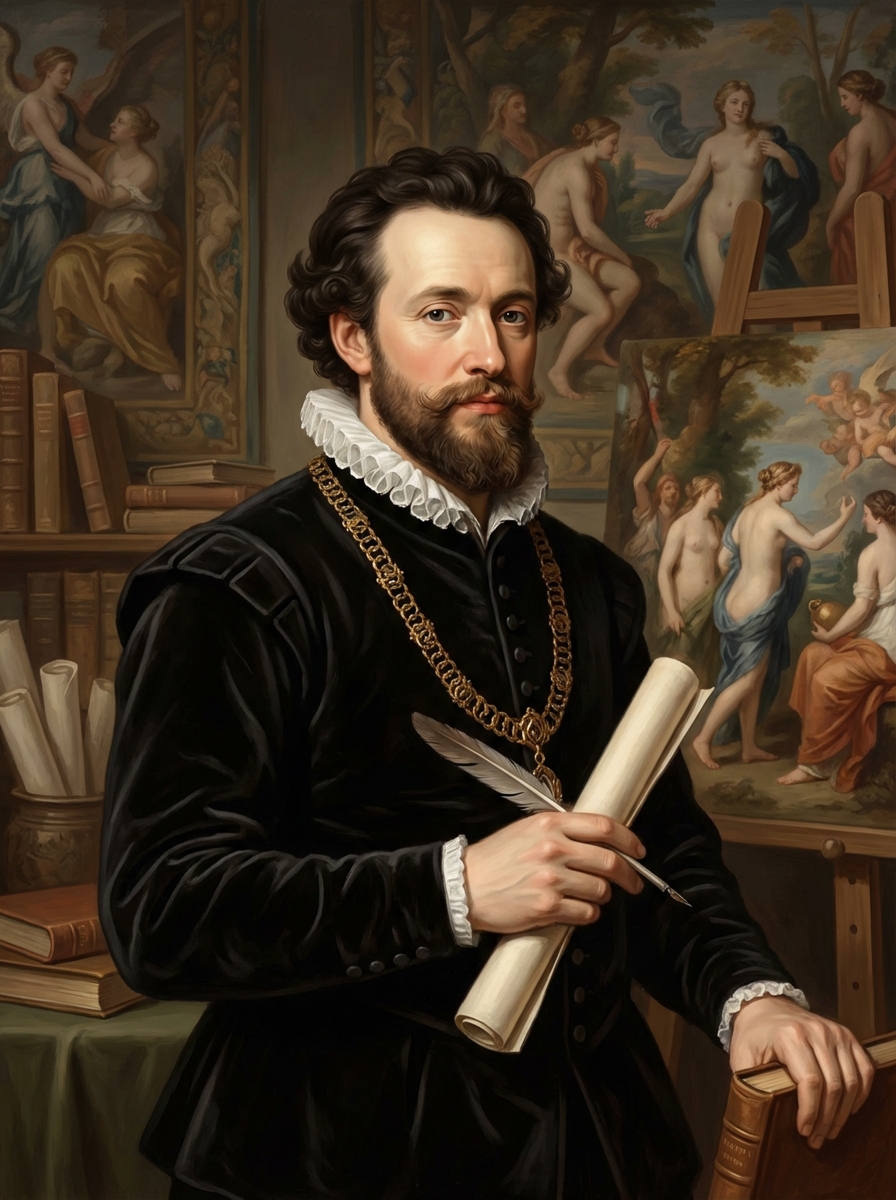
Peter Paul Rubens

Peter Paul Rubens

Flemish Baroque Painter

Sir Peter Paul Rubens was the undisputed master of the Flemish Baroque, blending Renaissance classicism with a new, vibrant sense of motion and emotion. A scholar and diplomat as well as a painter, he ran a prolific workshop that produced masterpieces defined by their rich color, dynamic composition, and celebration of the human form. His legacy is synonymous with the grandeur, sensuality, and intellectual depth of 17th-century European art.

Explore Peter Paul Rubens’s profile
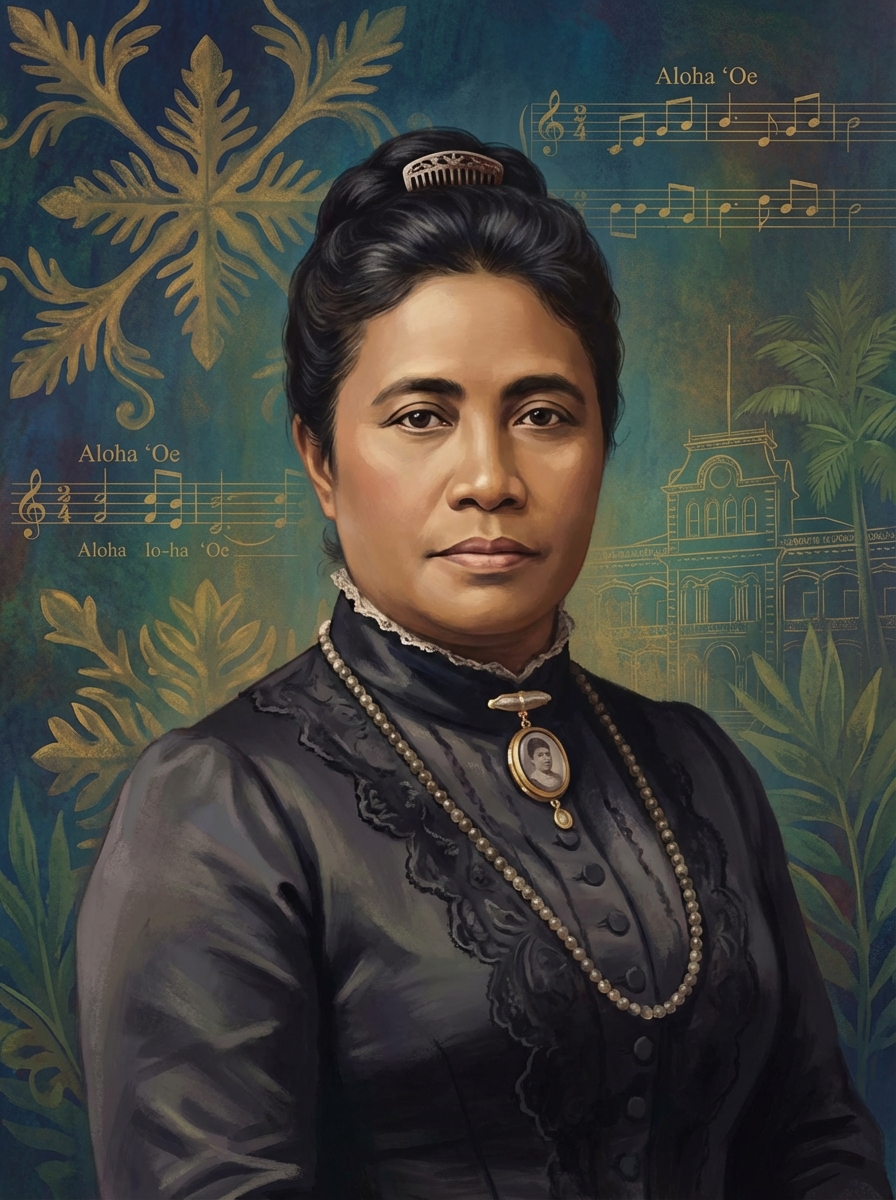
Queen Liliuokalani

Queen Liliuokalani

Last Queen of Hawaii

Liliʻuokalani was the last sovereign monarch of the Kingdom of Hawaiʻi, ruling with dignity and grace during a tumultuous period of political upheaval and eventual overthrow by foreign interests. A gifted composer and musician, she wrote over 160 songs, including the enduring "Aloha ʻOe," leaving a cultural legacy that transcended her political deposition. Her motto "Onipaʻa" (steadfast) embodies her unwavering commitment to her people and the preservation of Hawaiian culture.

Explore Queen Liliuokalani’s profile
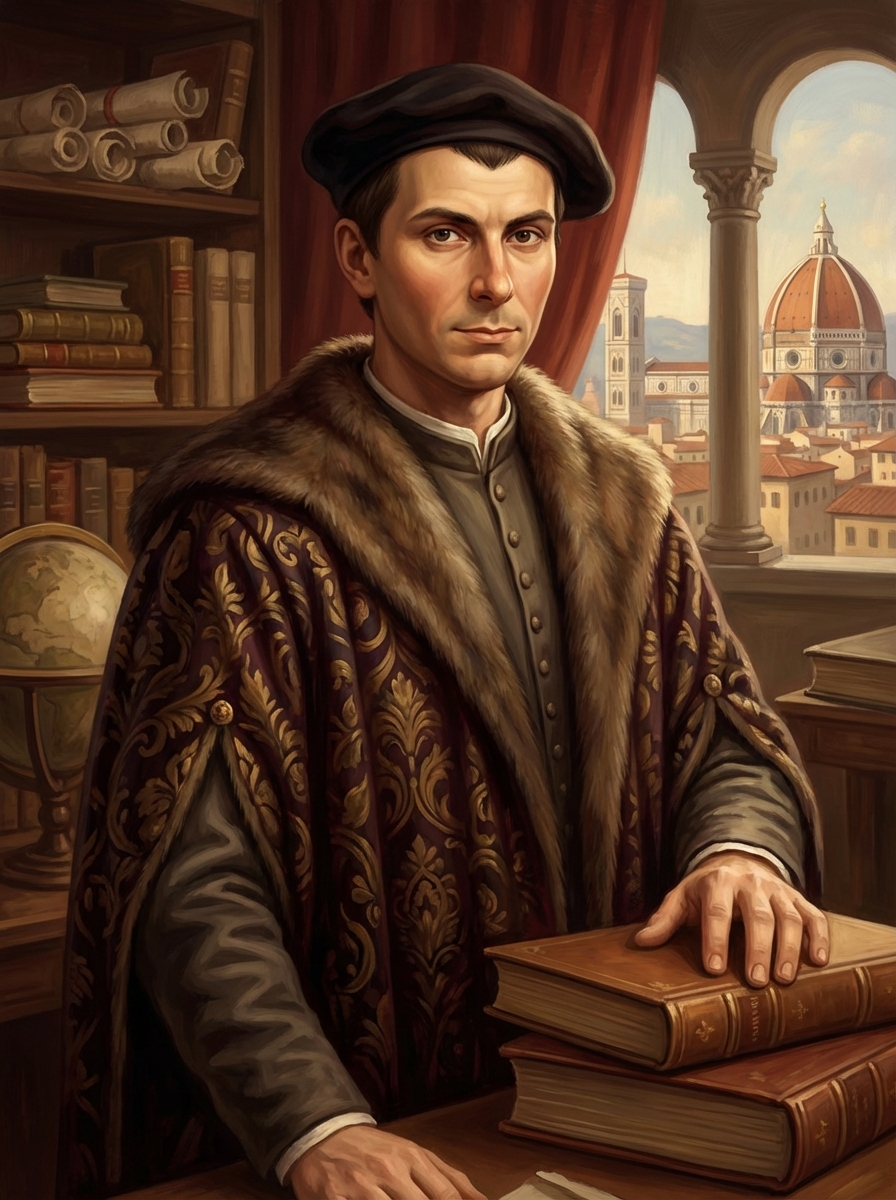
Niccolò Machiavelli

Niccolò Machiavelli

Political Philosopher

Niccolò Machiavelli was a Florentine diplomat, philosopher, and writer, widely regarded as the father of modern political philosophy. His seminal work, "The Prince," controversially detailed how rulers acquire, maintain, and wield power, prioritizing pragmatic effectiveness over moral idealism. He profoundly influenced political thought by separating ethics from statecraft, advocating for a realistic and often ruthless approach to governance.

Explore Niccolò Machiavelli’s profile
Ludwig van Beethoven

Ludwig van Beethoven

Composer

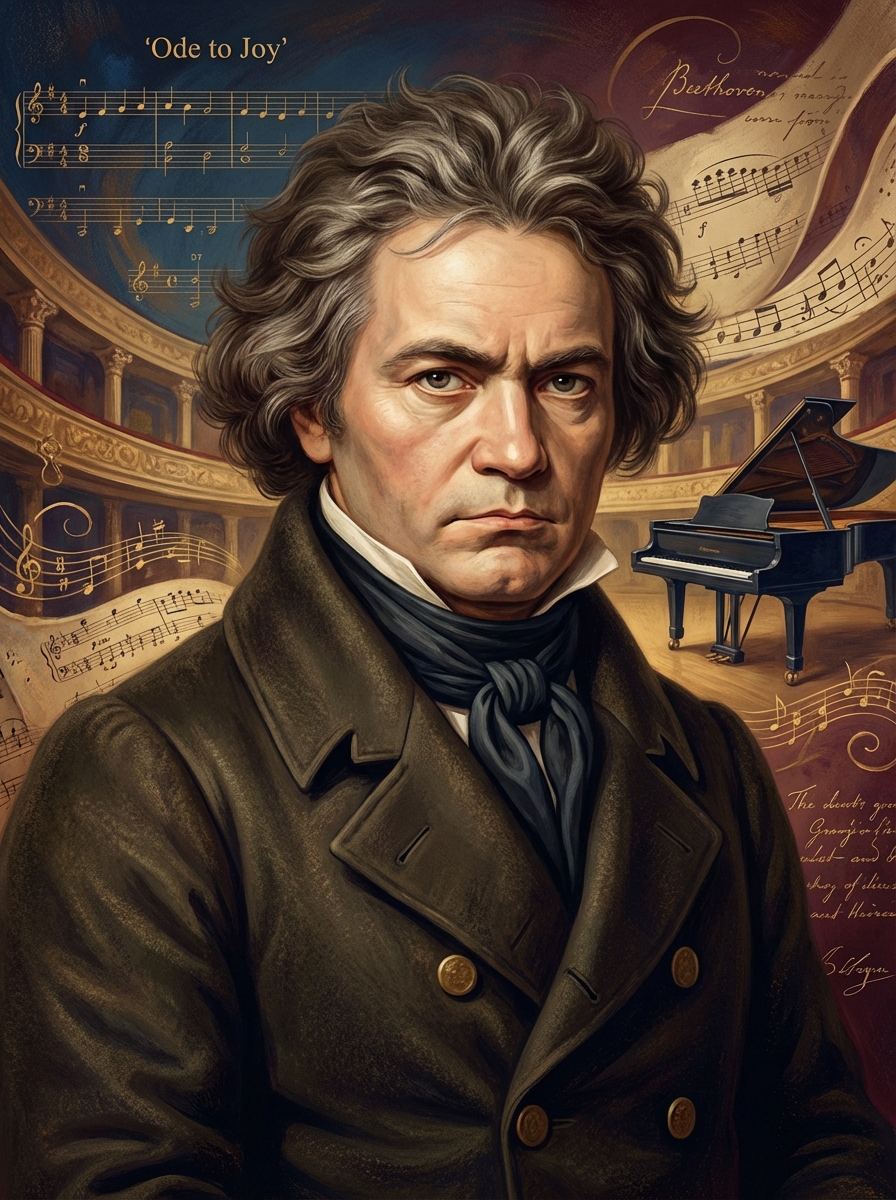
A pivotal figure bridging the Classical and Romantic eras, Ludwig van Beethoven transformed music from courtly entertainment into a profound vehicle for individual expression and struggle. Despite battling progressive deafness, he produced masterpieces like the Ninth Symphony, redefining the scope of Western music through raw emotional power and structural innovation. He remains the archetype of the tortured artistic genius who triumphs over adversity.

Explore Ludwig van Beethoven’s profile