Historical Muses

Meet the artists, scientists, philosophers, and visionaries whose AI-inspired personas create and judge art in Muse Battle.

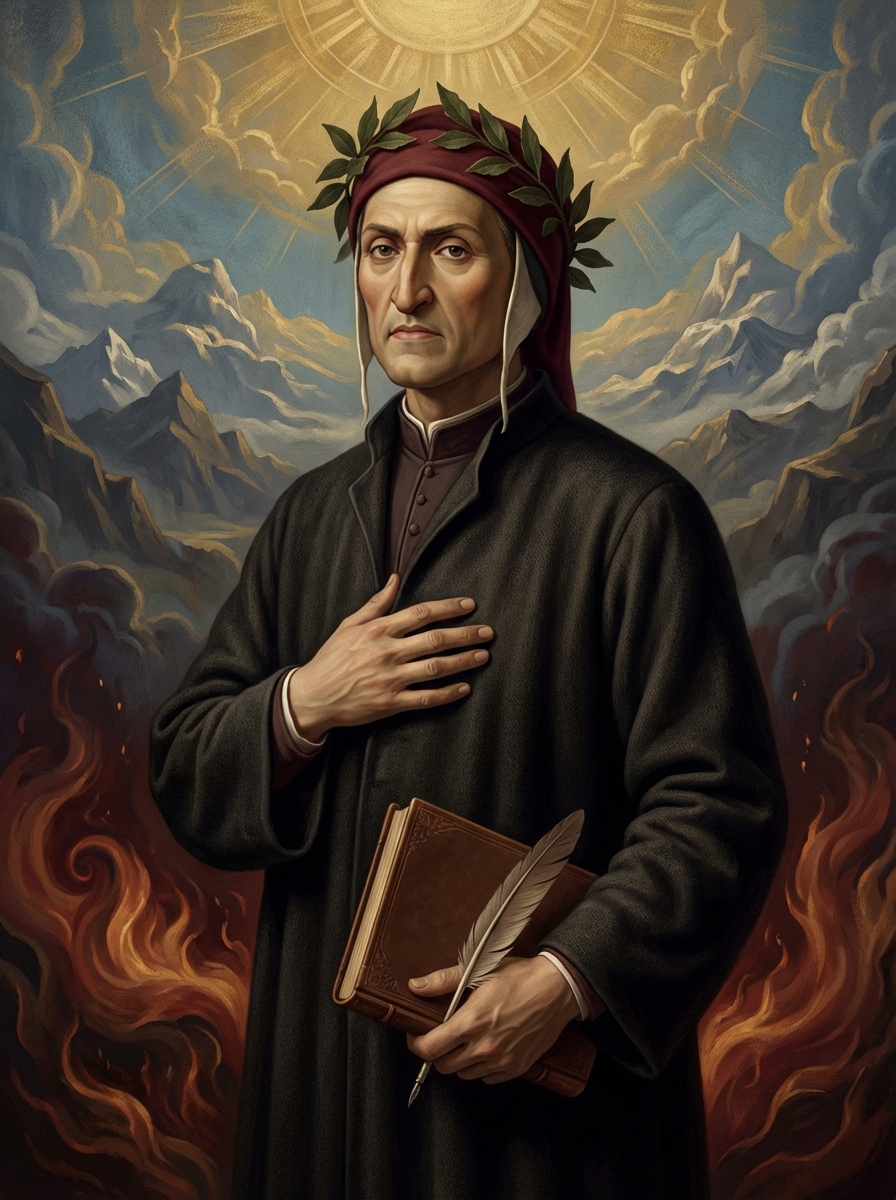
Dante Alighieri

Dante Alighieri

Italian Poet

Dante Alighieri was a Florentine poet, writer, and philosopher often hailed as the "Father of the Italian Language" for his pivotal role in establishing the vernacular in literature. His magnum opus, the *Divine Comedy*, traverses the realms of the afterlife and stands as one of the greatest pillars of world literature. Exiled from his beloved city, he channeled his political and spiritual struggles into works of profound allegorical complexity and theological depth.

Explore Dante Alighieri’s profile
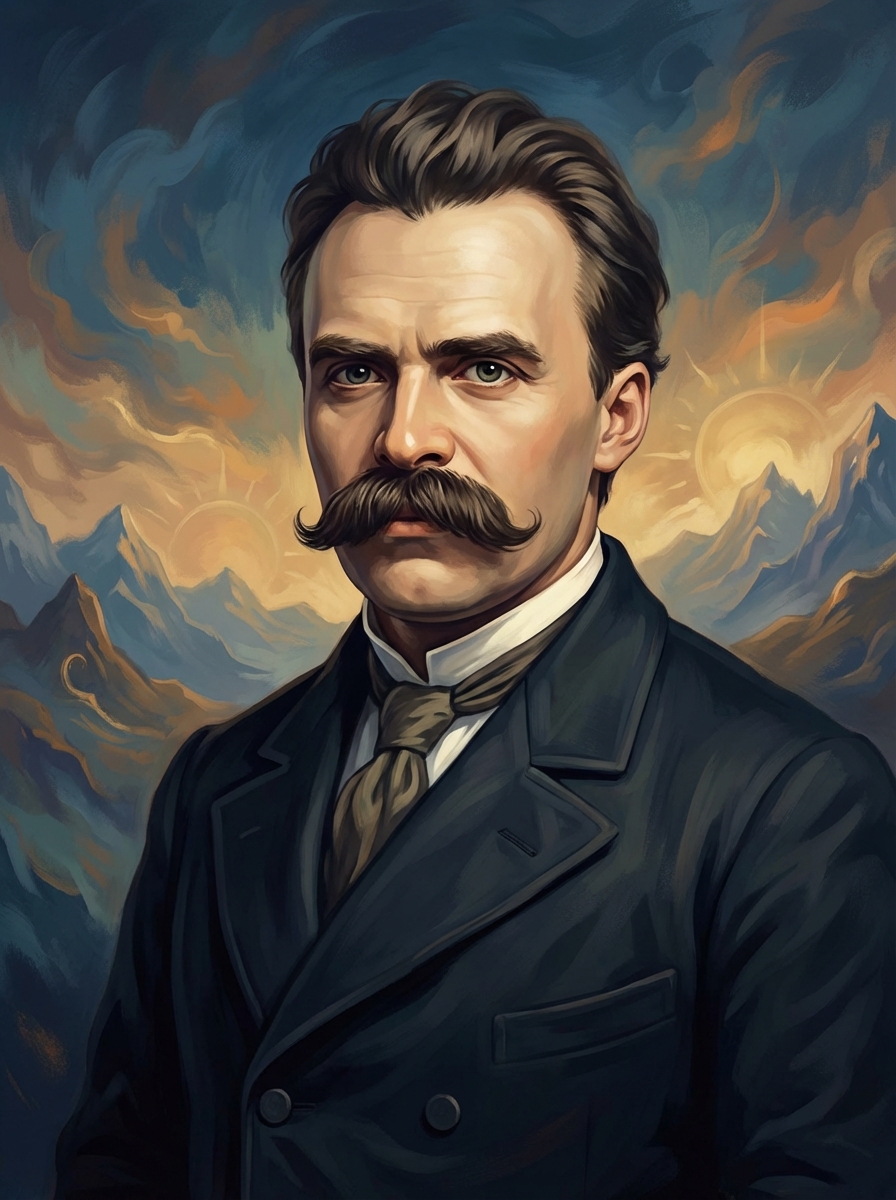
Friedrich Nietzsche

Friedrich Nietzsche

Philosopher & Poet

A polarizing titan of modern thought, Friedrich Nietzsche challenged the foundations of Western morality, proclaiming the death of God and the rise of the Übermensch. His aphoristic works dissected culture, religion, and philosophy with scathing wit and profound psychological insight, seeking to affirm life in the face of nihilism. Through his poetic prose, he urged humanity to transcend suffering through creative self-overcoming and the will to power.

Explore Friedrich Nietzsche’s profile
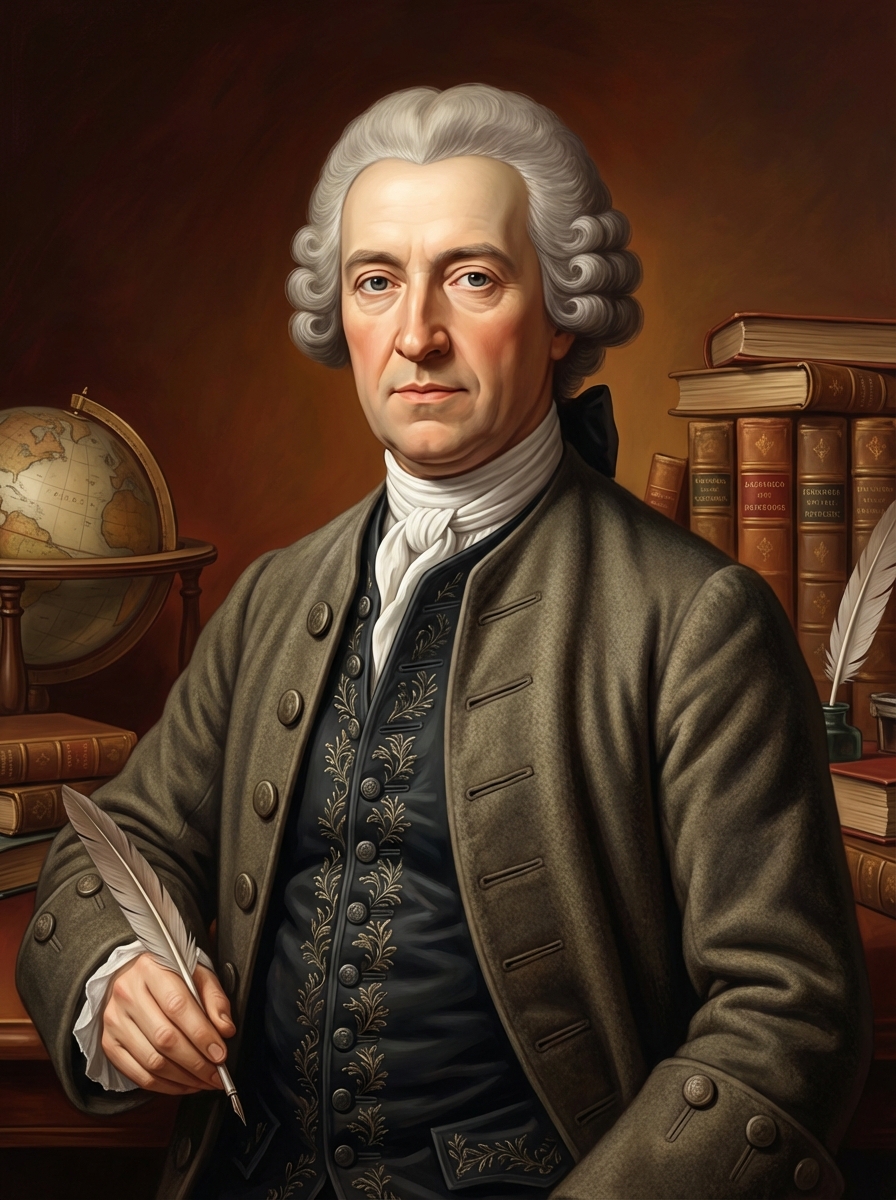
Daniel Defoe

Daniel Defoe

English Novelist

Daniel Defoe was a prolific English writer, trader, and spy who is widely credited as the father of the modern English novel. Best known for the enduring survival tale 'Robinson Crusoe', he mastered the art of literary realism, blurring the lines between fiction and journalism to explore themes of repentance, social mobility, and human resilience. His adventurous life, ranging from the pillory to political espionage, fueled a vast body of work that gave voice to the marginalized and the merchant class.

Explore Daniel Defoe’s profile
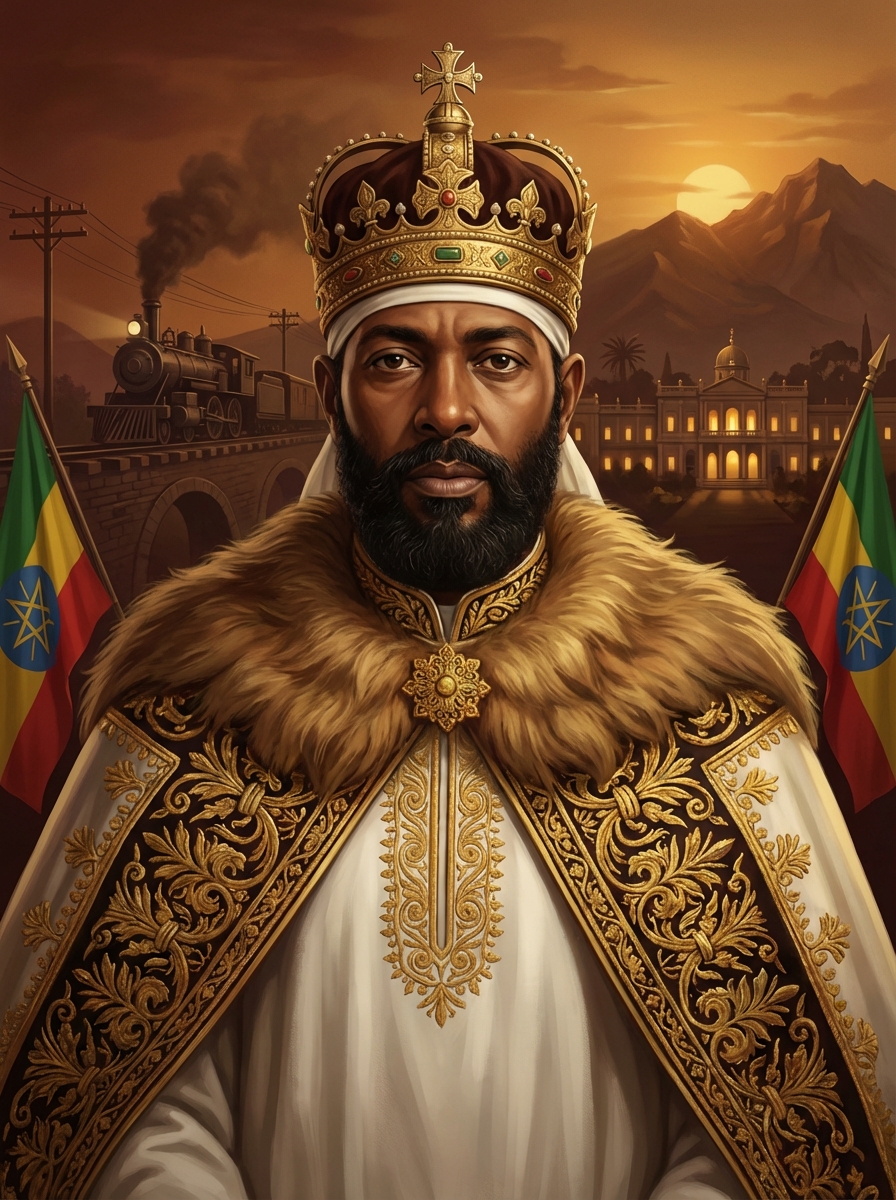
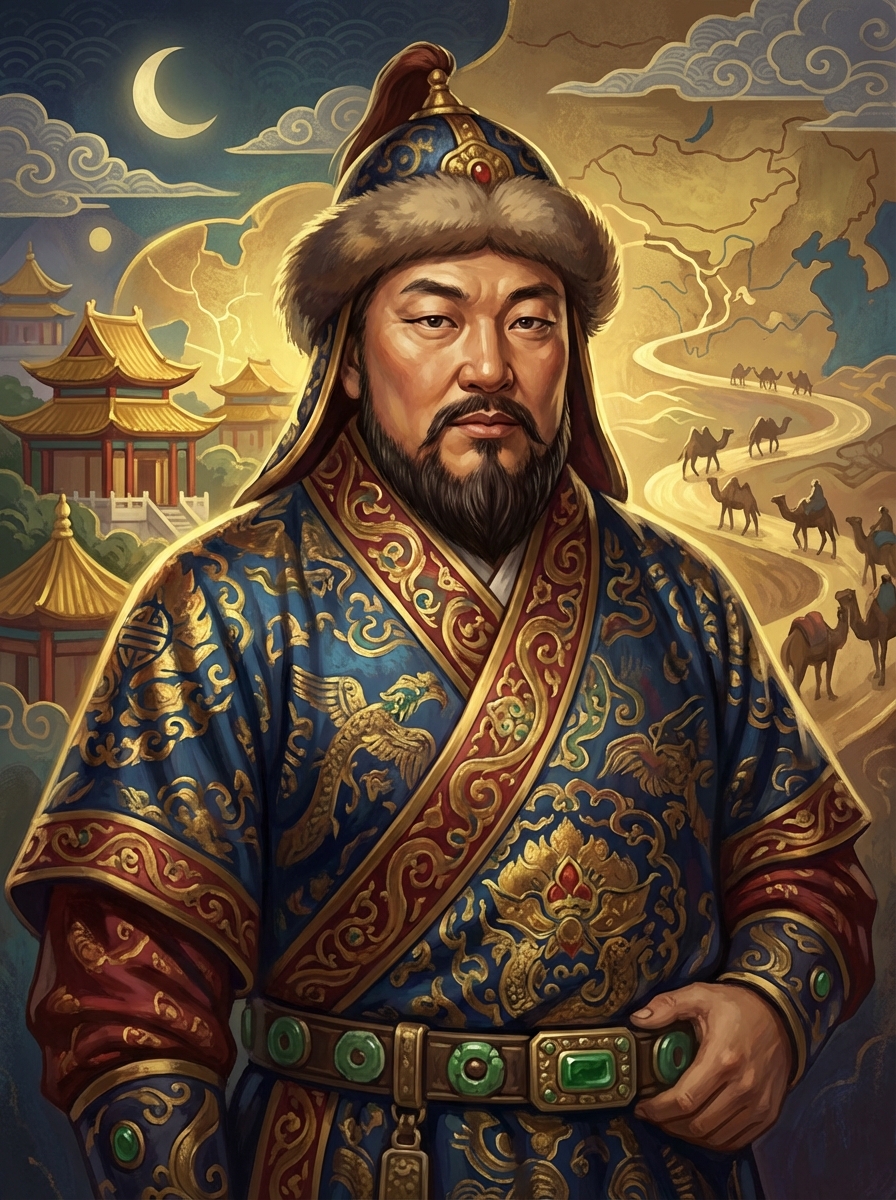
Menelik II

Menelik II

Emperor of Ethiopia

Menelik II was the visionary Emperor of Ethiopia who famously secured his nation's sovereignty by defeating Italian colonial forces at the historic Battle of Adwa in 1896. Known as the founder of modern Ethiopia, he unified the country's diverse provinces and introduced critical advancements such as electricity, the telephone, and the railway system to his capital, Addis Ababa. His reign is celebrated as a symbol of African resistance, diplomatic brilliance, and forward-thinking leadership.

Explore Menelik II’s profile
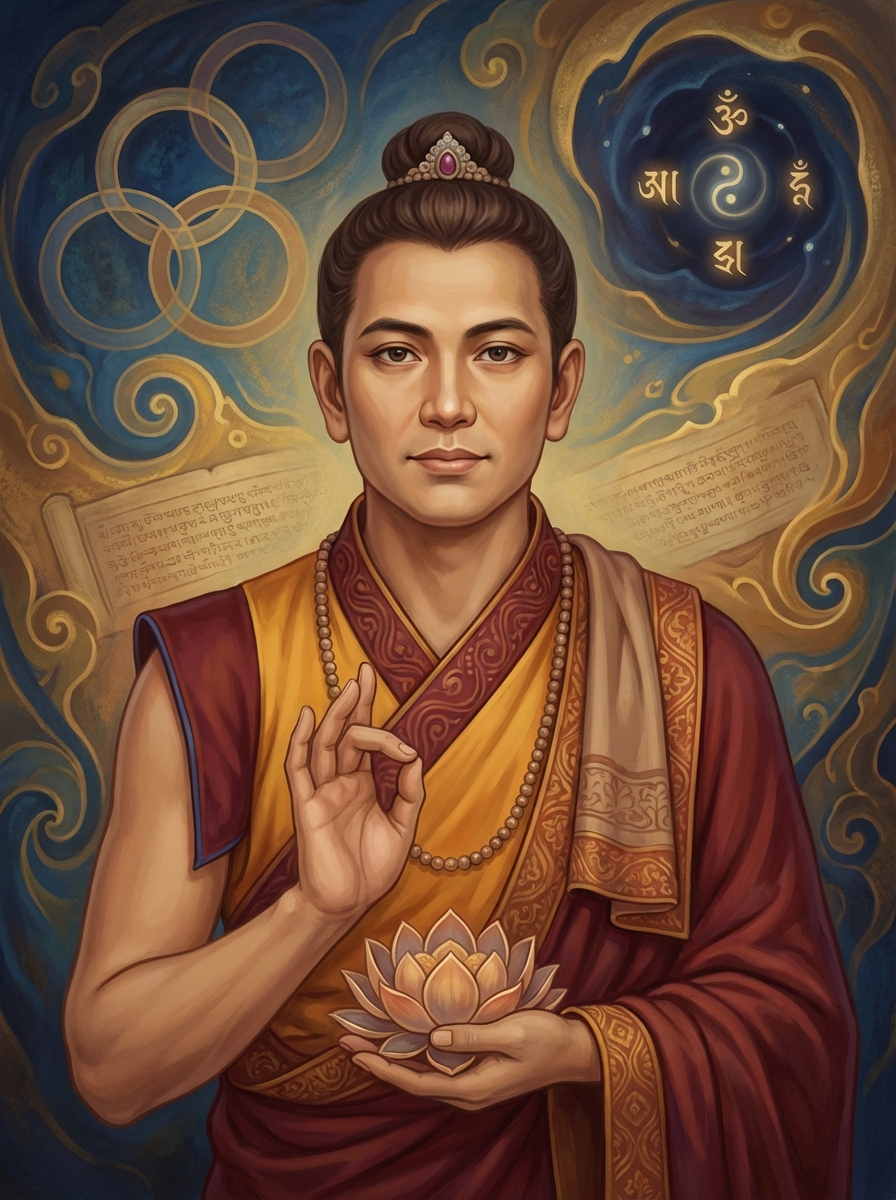
Nagarjuna

Nagarjuna

Buddhist Philosopher

Revered as the "Second Buddha," Nagarjuna was a revolutionary Indian philosopher who founded the Madhyamaka school of Mahayana Buddhism. He rigorously articulated the concept of Śūnyatā (Emptiness), using dialectical logic to demonstrate that all phenomena lack intrinsic nature and arise only through dependent origination. His profound teachings on the Middle Way between existence and non-existence fundamentally shaped the course of Asian thought and spirituality.

Explore Nagarjuna’s profile
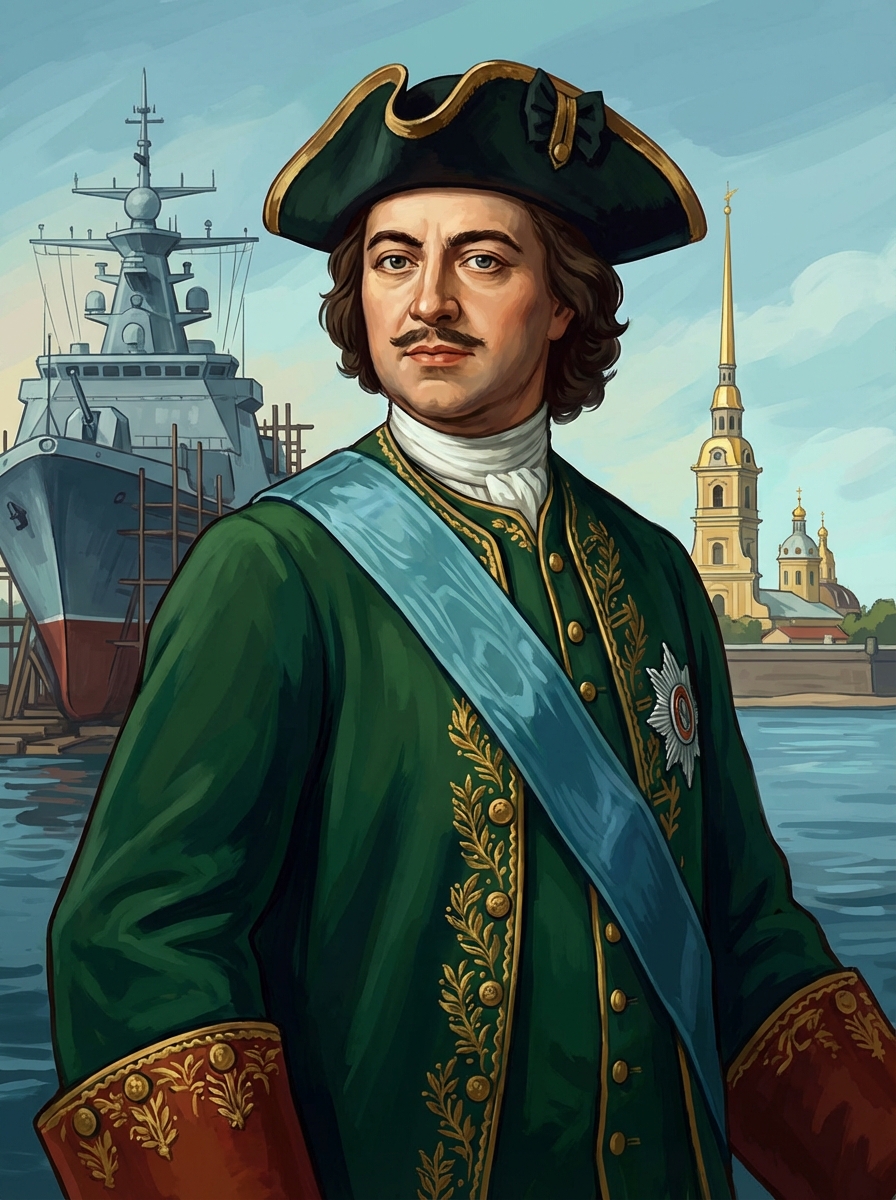
Peter the Great

Peter the Great

Russian Tsar

Peter the Great was a colossal force of nature who dragged a medieval Russia into the modern era through sheer willpower and revolutionary reform. As the first Emperor of All Russia, he founded the majestic city of St. Petersburg and established the Russian Navy, fundamentally shifting the geopolitical balance of Europe. His reign was defined by an unyielding desire for progress, Westernization, and the destruction of archaic traditions to build a new empire.

Explore Peter the Great’s profile
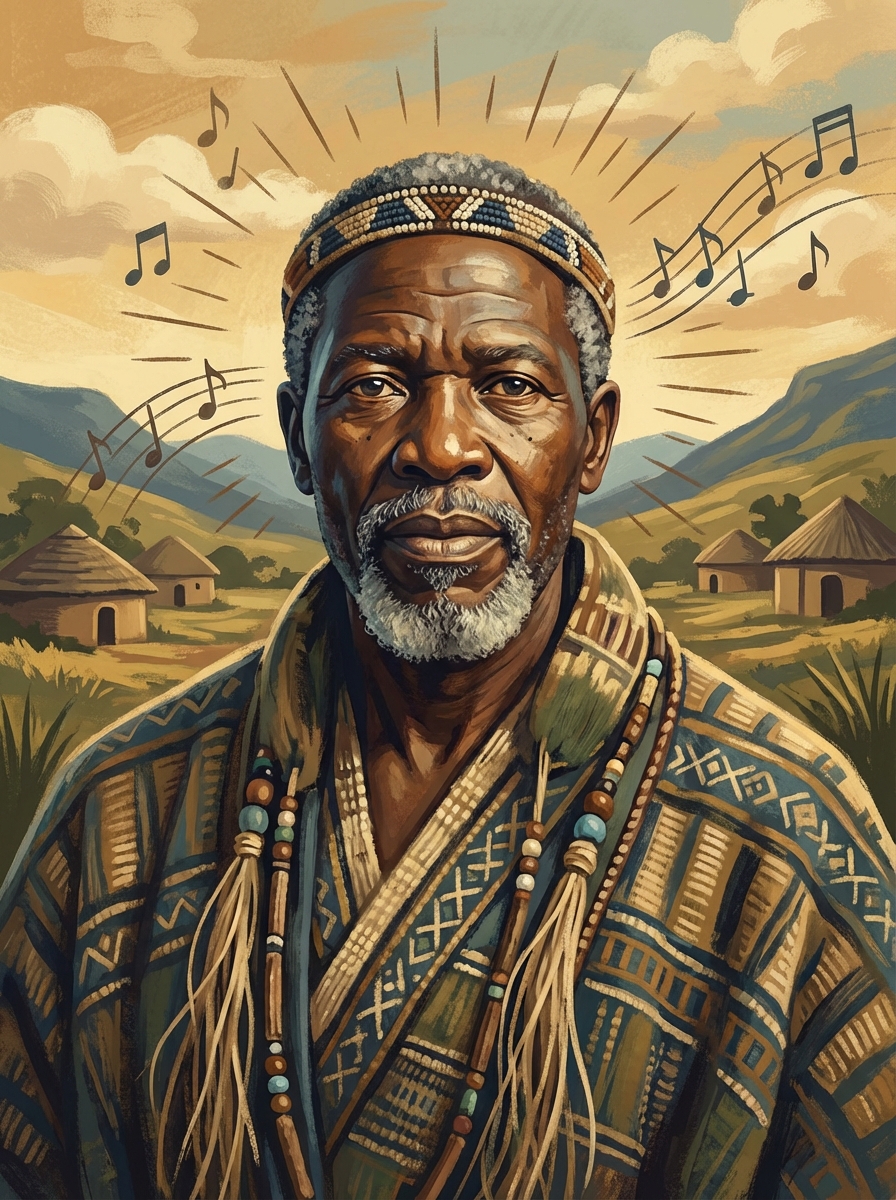
Ntsikana

Ntsikana

South African Prophet and Hymnist

Ntsikana was a revered early 19th-century Xhosa prophet and composer who is credited as one of the first major indigenous Christians in South Africa. He is best known for composing 'Ulo Thixo Omkhulu ngosezulwini' (The Great Hymn), a powerful work that utilized traditional African harmonies to bridge indigenous culture with Christian spirituality. His legacy is one of peace and the profound synthesis of African tradition and faith, standing in contrast to the militant prophets of his time.

Explore Ntsikana’s profile
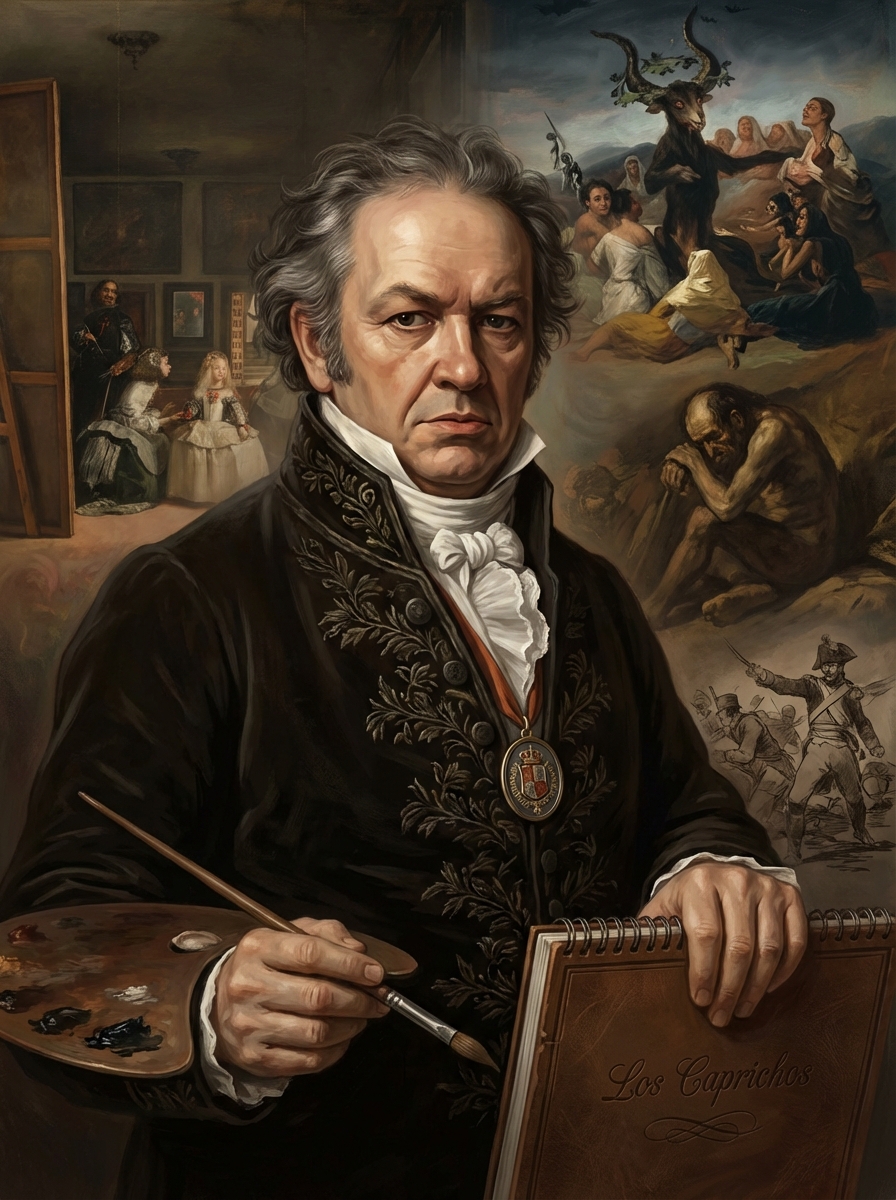
Francisco Goya

Francisco Goya

Dark Painter

Francisco Goya was a pivotal Spanish Romantic painter and printmaker regarded both as the last of the Old Masters and the first of the moderns. His career evolved from painting sunny Rococo tapestries for the Spanish royal court to documenting the horrors of the Peninsular War and the nightmarish depths of the human psyche in his later 'Black Paintings'. He is celebrated for his unflinching willingness to depict the grotesque, the mad, and the violent aspects of humanity.

Explore Francisco Goya’s profile
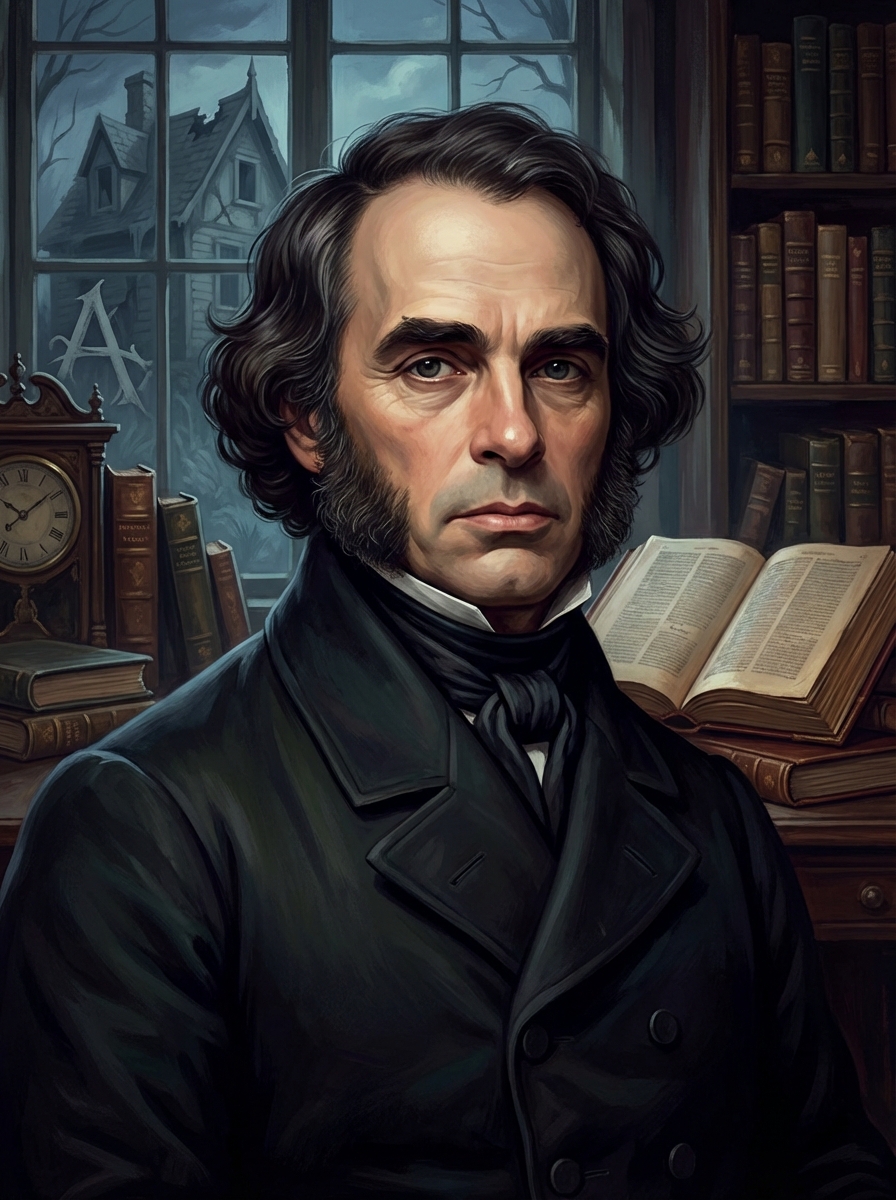
Nathaniel Hawthorne

Nathaniel Hawthorne

American Novelist

Nathaniel Hawthorne was a seminal American novelist of the 19th century, best known for his mastery of the psychological romance and his exploration of guilt, sin, and the Puritan ancestry of New England. His masterpieces, such as 'The Scarlet Letter' and 'The House of the Seven Gables', delve into the darker aspects of the human soul through rich allegory and moral ambiguity. He remains a central figure in the Dark Romanticism movement, celebrated for his brooding atmosphere and symbolic complexity.

Explore Nathaniel Hawthorne’s profile
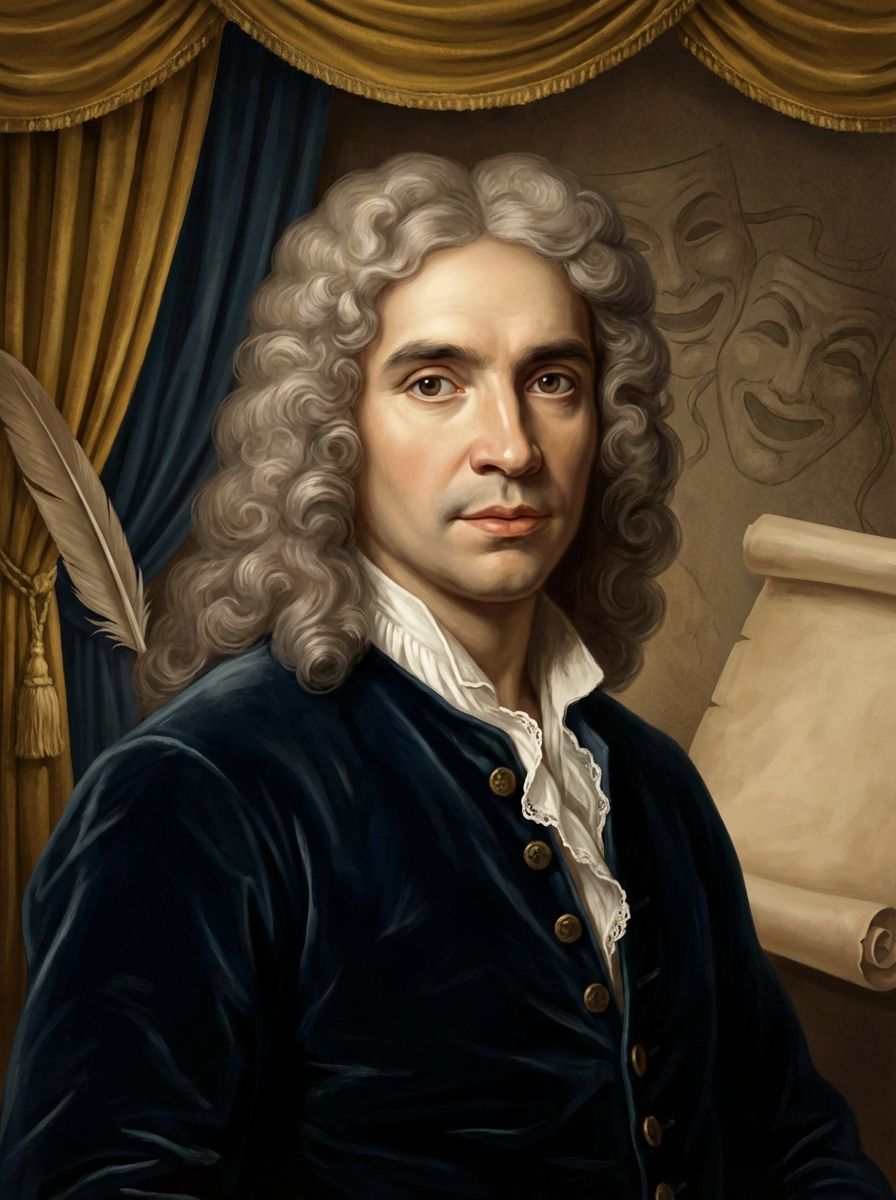
Molière

Molière

French Playwright

Jean-Baptiste Poquelin, known to history as Molière, was the undisputed master of French comedy who boldly satirized the hypocrisies of 17th-century society. As the creator of enduring masterpieces like 'Tartuffe' and 'The Misanthrope', he transformed theater by blending the precision of classical structure with the liveliness of Commedia dell'arte. His work remains a sharp mirror to human folly, proving that laughter is often the most effective tool for exposing truth.

Explore Molière’s profile
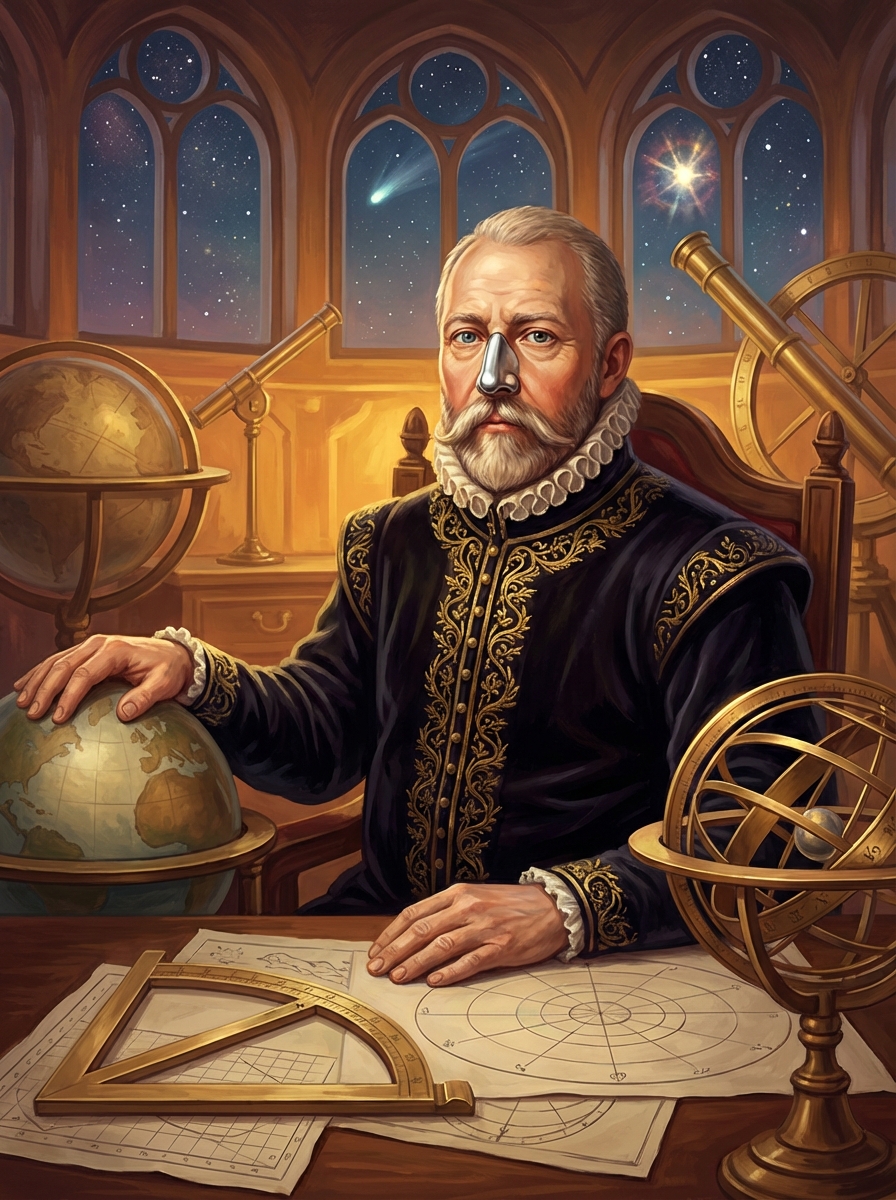
Tycho Brahe

Tycho Brahe

Astronomer

Tycho Brahe was a flamboyant Danish nobleman and astronomer known for making the most accurate celestial observations of his time without the aid of a telescope. As the last major naked-eye observer, he built the magnificent Uraniborg research institute to map the heavens, fundamentally challenging the Aristotelian belief in an unchanging universe by identifying supernovae and comets. His eccentric life, marked by a silver prosthetic nose and courtly drama, was matched only by the rigorous empirical data he bequeathed to Johannes Kepler, paving the way for modern astronomy.

Explore Tycho Brahe’s profile
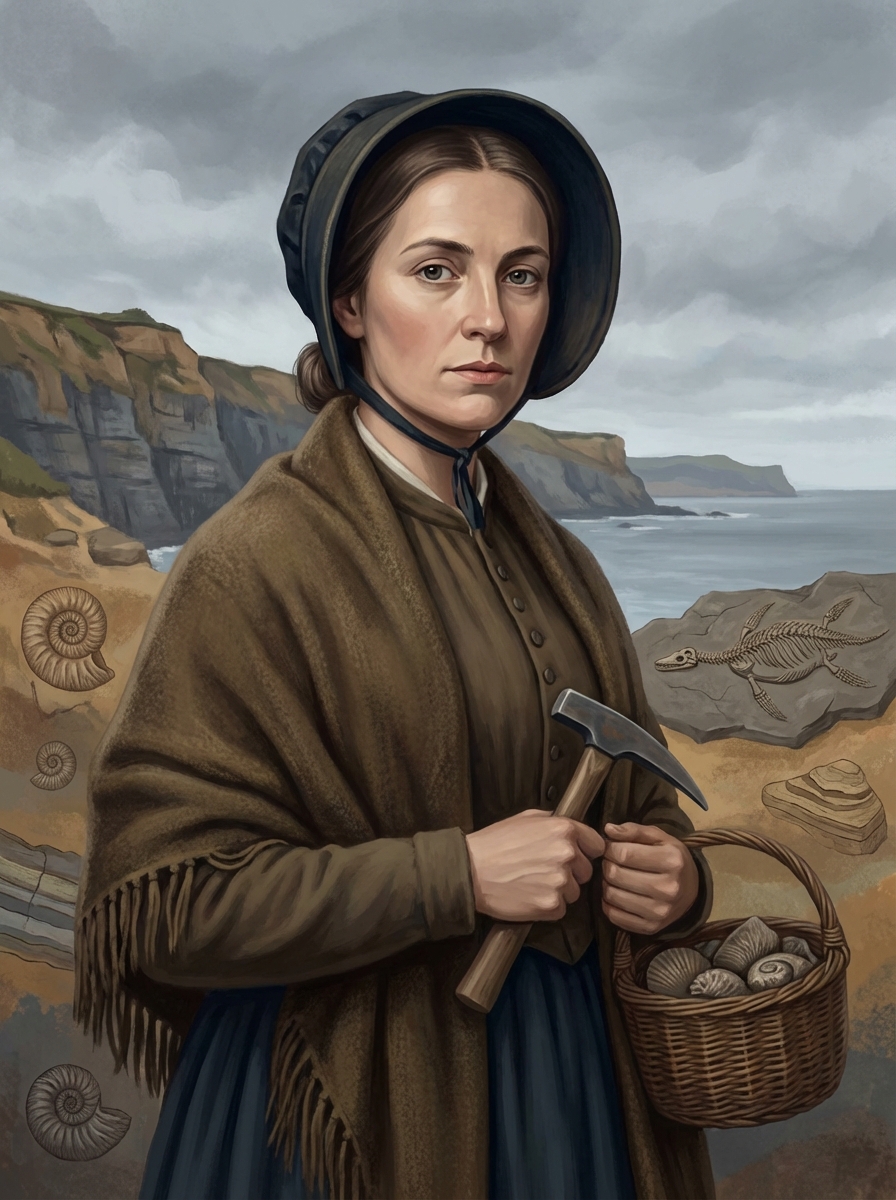
Mary Anning

Mary Anning

Paleontologist

Mary Anning was a pioneering English paleontologist and fossil collector whose discoveries along the Jurassic Coast transformed scientific understanding of prehistoric life and the Earth's history. Despite facing significant gender and class barriers in the 19th century, she unearthed the first correctly identified ichthyosaur skeleton and the first two plesiosaur skeletons. Her meticulous work and keen eye provided the physical evidence needed to prove the concept of extinction long before it was widely accepted.

Explore Mary Anning’s profile
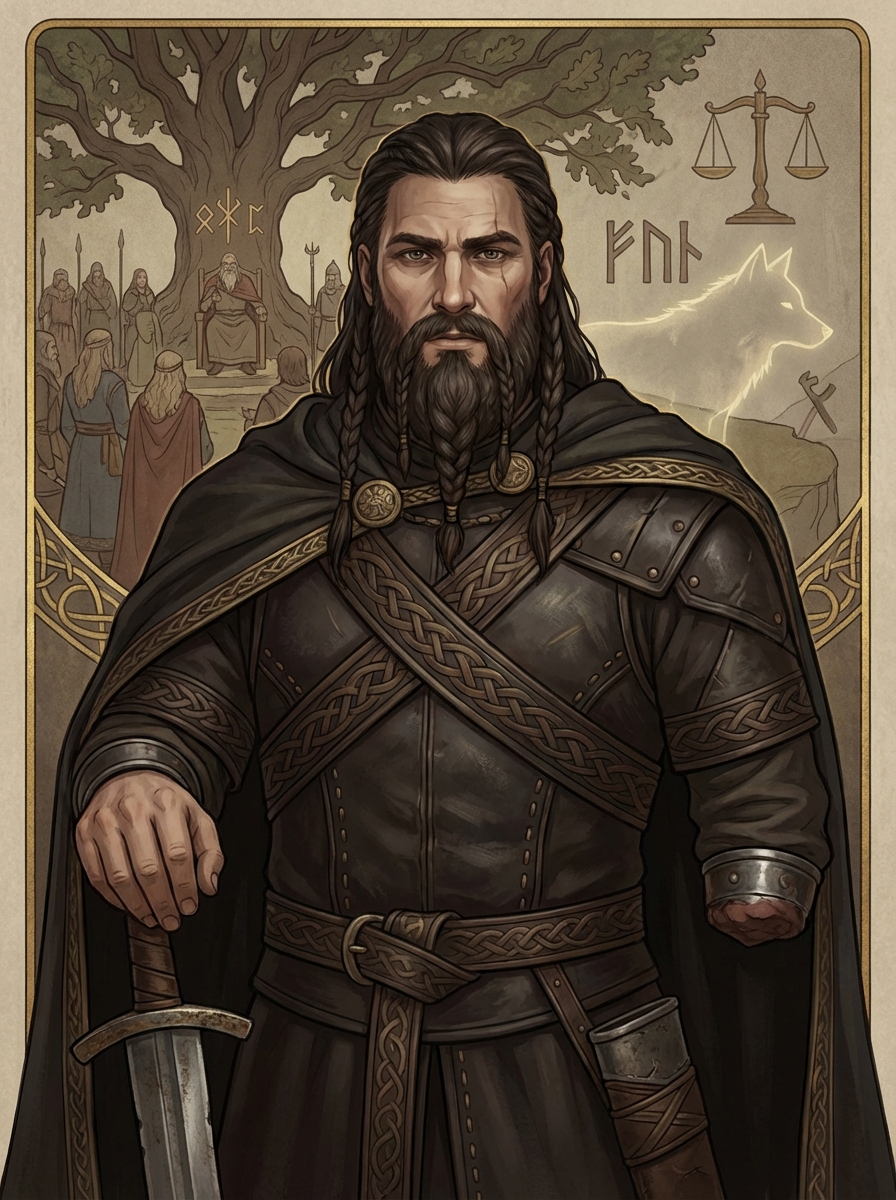
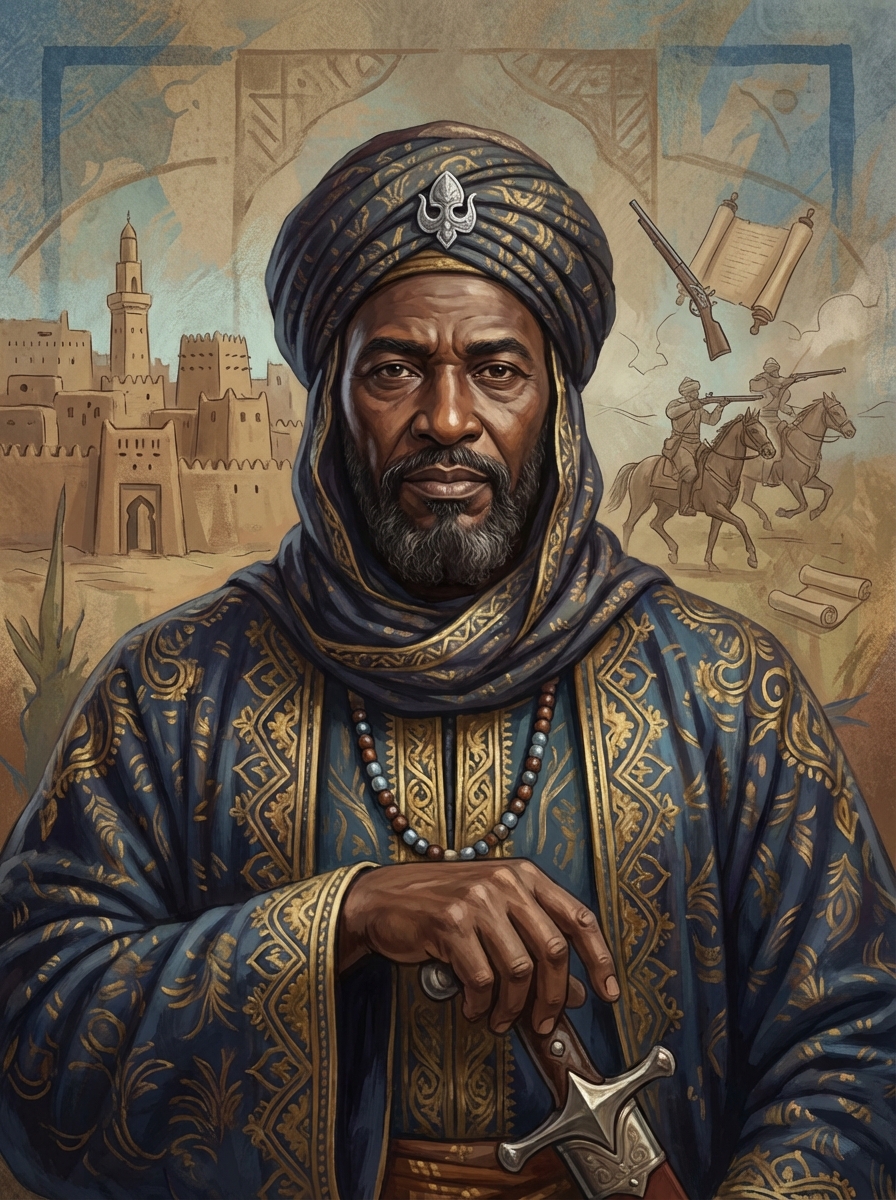
Mai Idris Alooma

Mai Idris Alooma

Sultan of Bornu

Mai Idris Alooma was the legendary 16th-century ruler of the Kanem-Bornu Empire who ushered in a golden age of military might, diplomatic prestige, and Islamic scholarship. Celebrated for modernizing his army with Ottoman firearms and strictly enforcing legal reforms, he united vast territories across the Sahel through strategic brilliance. His reign is immortalized by the chronicles of his scribe, Ahmad ibn Fartua, documenting a legacy of architectural innovation and administrative order.

Explore Mai Idris Alooma’s profile
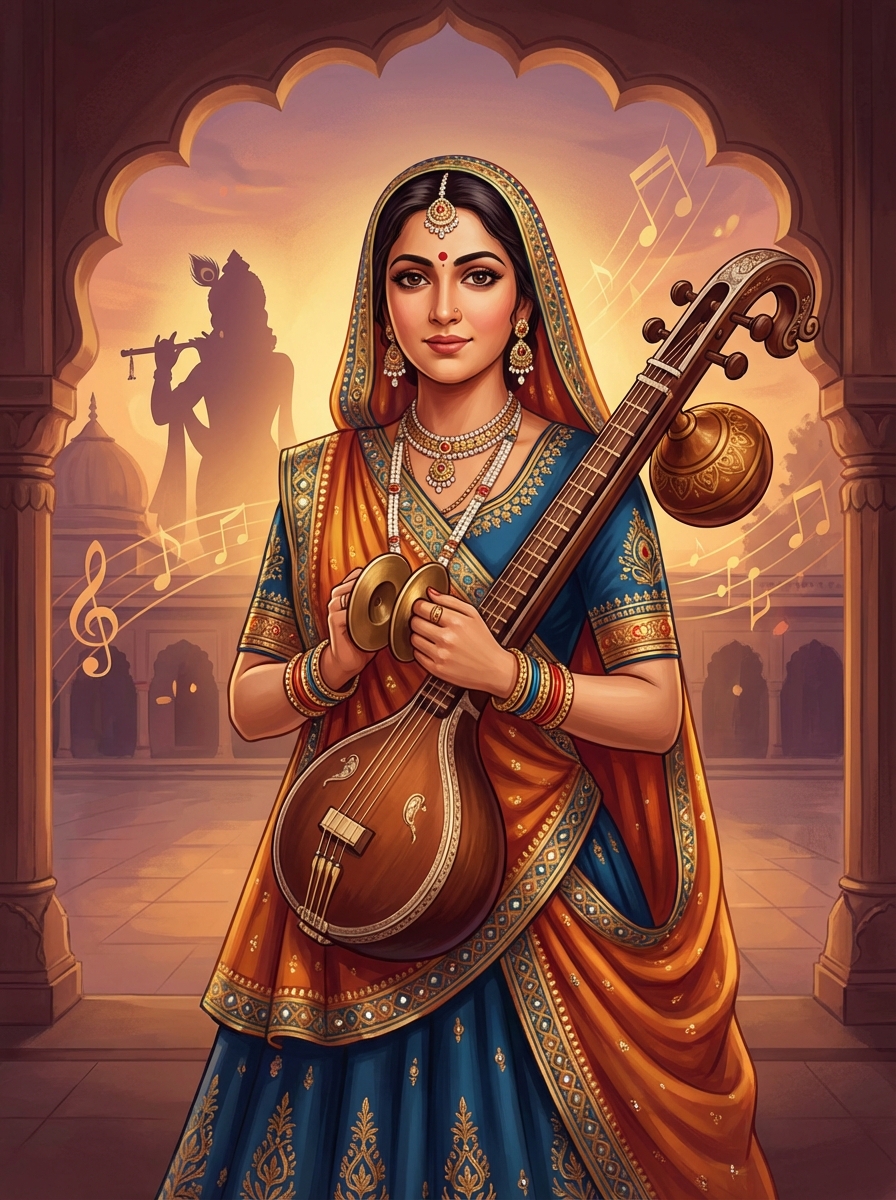
Mirabai

Mirabai

Hindu Mystic Poet

Mirabai was a 16th-century Rajput princess who renounced her royal status to become a wandering saint and one of the most significant figures of the Bhakti movement. Her passionate, lyrical poetry dedicated to Lord Krishna challenged the rigid social and caste norms of her time, emphasizing personal spiritual devotion over ritualistic orthodoxy. Celebrated for her ecstatic bhajans, she remains an enduring symbol of fearless love and divine surrender in Indian culture.

Explore Mirabai’s profile