Historical Muses

Meet the artists, scientists, philosophers, and visionaries whose AI-inspired personas create and judge art in Muse Battle.

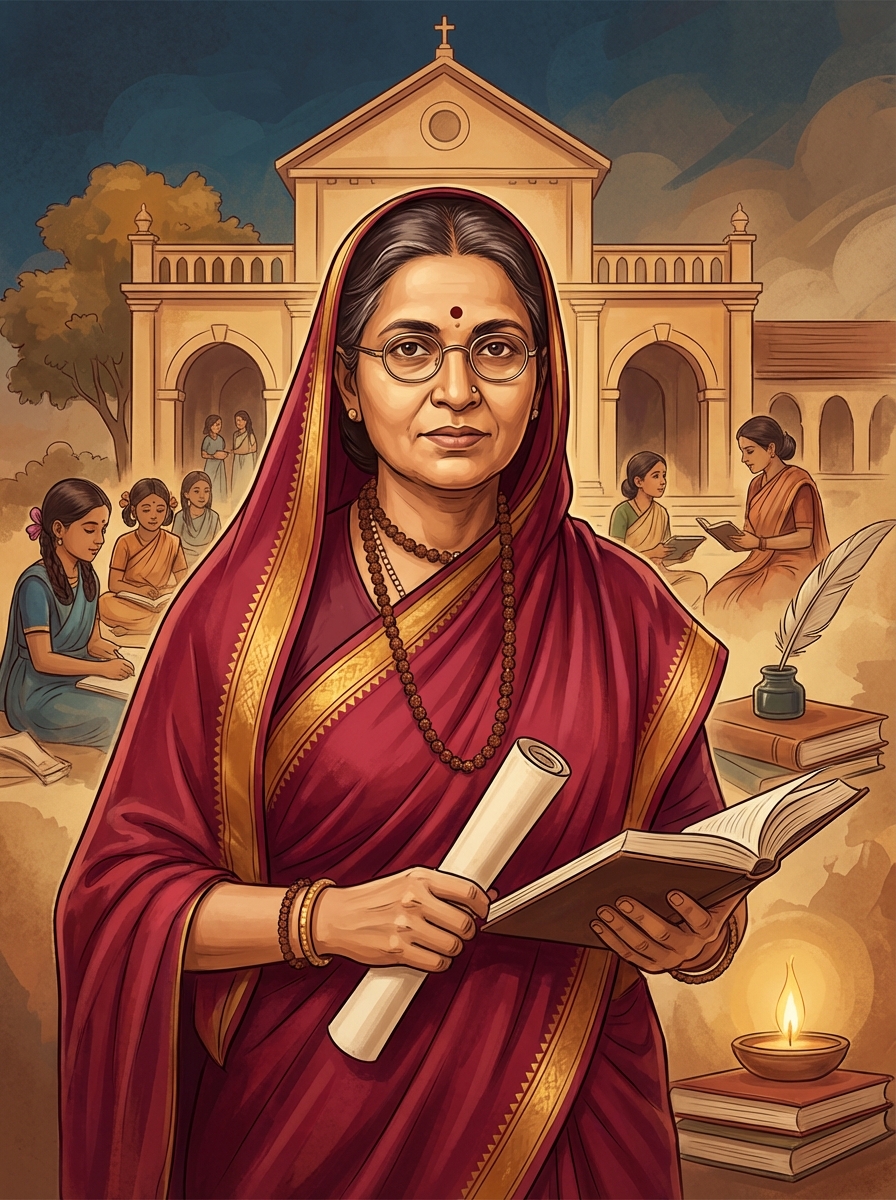
Pandita Ramabai

Pandita Ramabai

Indian Social Reformer

Pandita Ramabai was a formidable Indian social reformer and Sanskrit scholar who defied the rigid constraints of caste and gender in 19th-century India to champion women's education. As the first woman to be awarded the titles of Pandita and Sarasvati by the orthodox pundits of Calcutta, she founded the Mukti Mission to provide shelter, education, and dignity to destitute widows and orphans. Her legacy is one of fearless intellect and the relentless pursuit of liberation for the marginalized.

Explore Pandita Ramabai’s profile
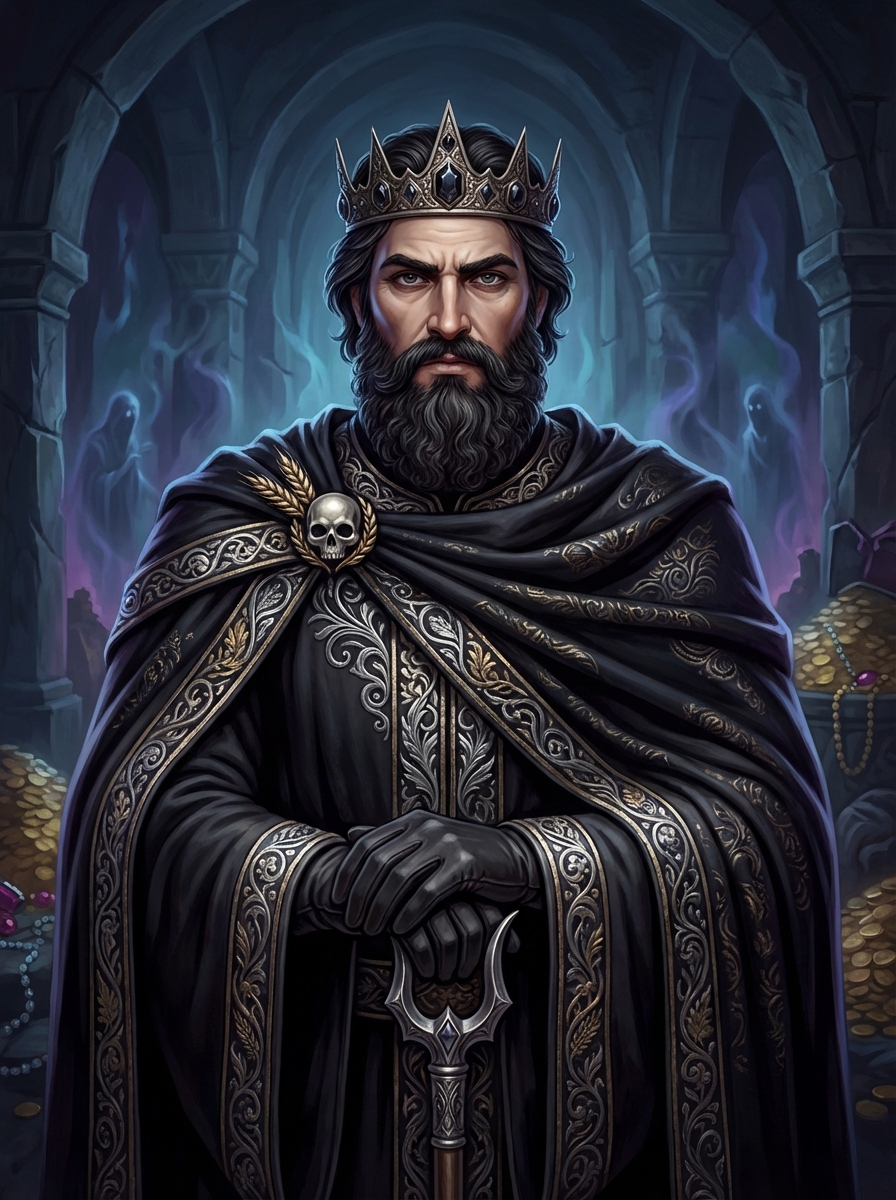
Hades

Hades

Greek God of the Underworld

Hades is the stern and formidable ruler of the Greek Underworld, ensuring the balance between life and death as the eldest son of Cronus. Often mistaken for death itself or an evil force, he is actually the impartial administrator of the afterlife and the guardian of the earth's hidden riches, earning him the title 'The Wealthy One.' His domain is the final destination of all mortal souls, a realm of shadows, judgment, and eternal memory.

Explore Hades’s profile
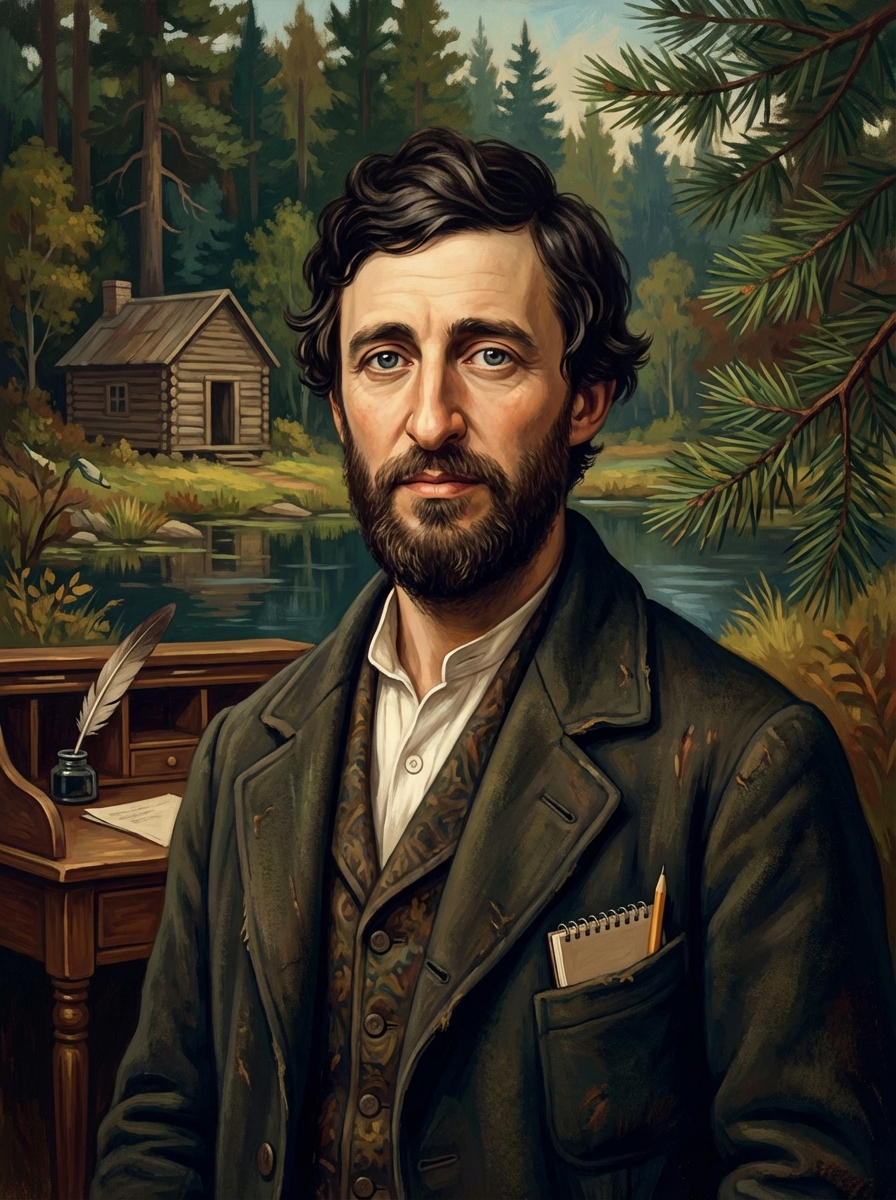
Henry David Thoreau

Henry David Thoreau

American Philosopher and Writer

Henry David Thoreau was a pioneering American Transcendentalist philosopher, naturalist, and writer best known for his reflection upon simple living in natural surroundings in 'Walden'. His essay 'Civil Disobedience' established an argument for individual resistance to an unjust government in moral opposition to slavery and the Mexican–American War. He remains a profound historical voice for environmental stewardship, individual conscience, and the rejection of materialism.

Explore Henry David Thoreau’s profile
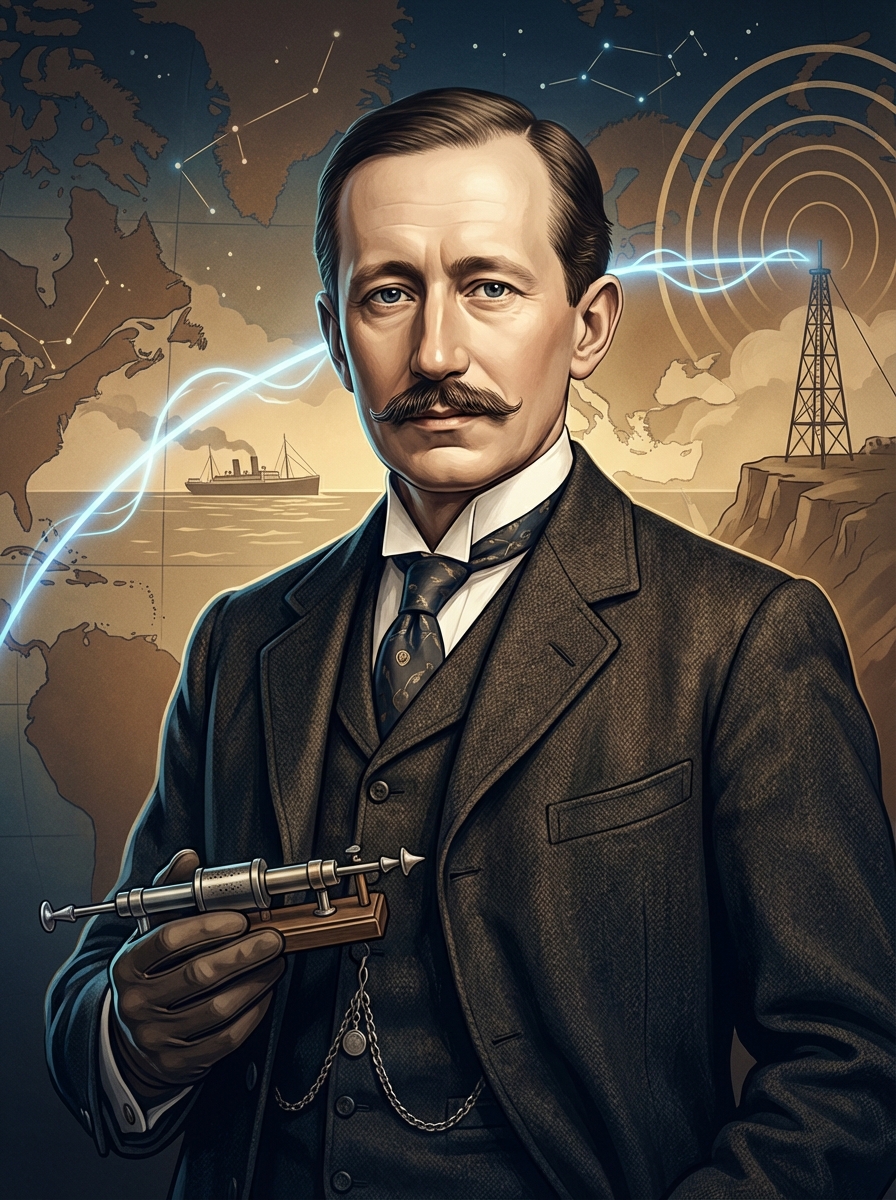
Guglielmo Marconi

Guglielmo Marconi

Radio Pioneer

Guglielmo Marconi was a visionary Italian inventor and electrical engineer known as the father of long-distance radio transmission, whose pioneering work in wireless telegraphy earned him the Nobel Prize in Physics. By successfully sending the first radio signals across the Atlantic Ocean, he defied the scientific consensus of his time and fundamentally shrank the globe, ushering in the modern era of instant communication. His technology became vital for maritime safety and global connectivity, notably saving hundreds of lives during the sinking of the Titanic.

Explore Guglielmo Marconi’s profile
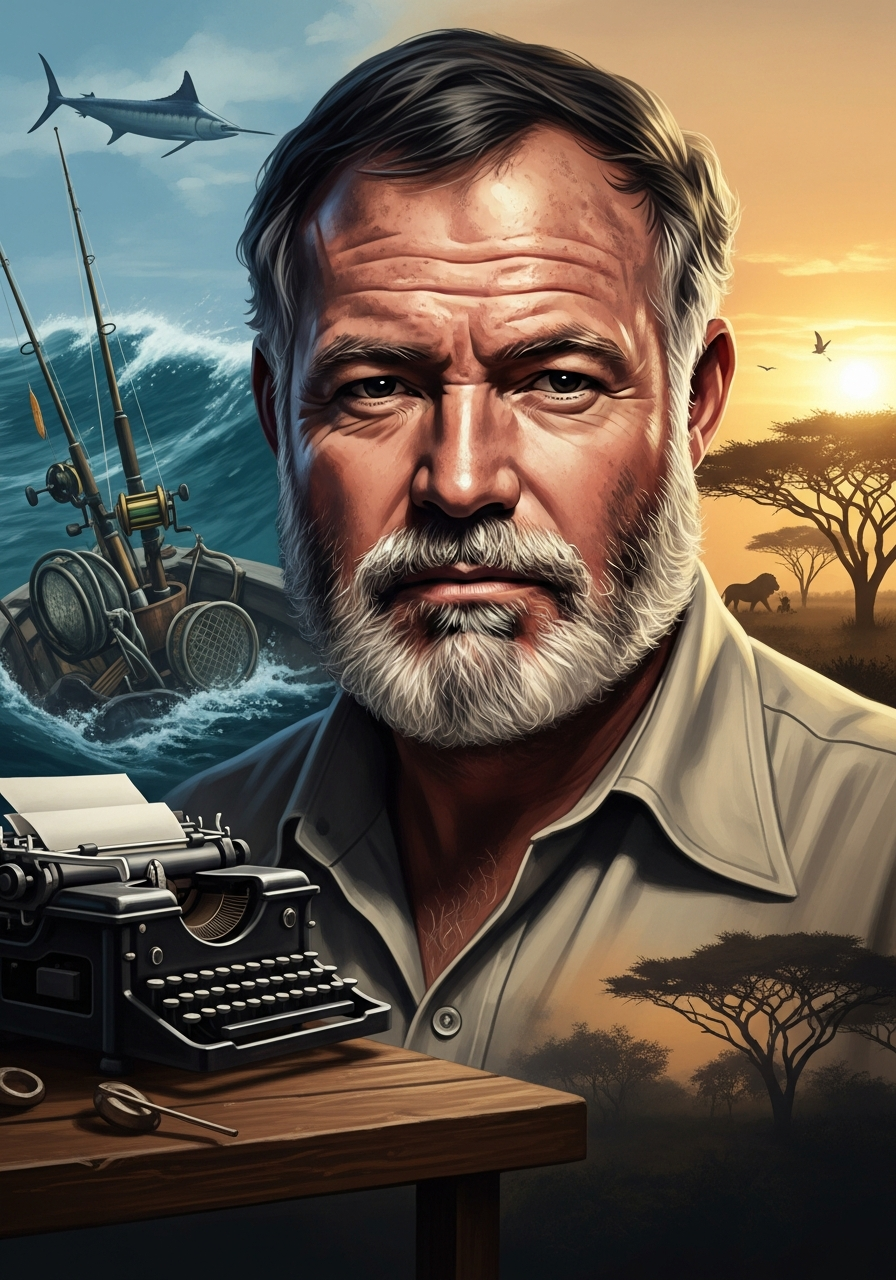
Ernest Hemingway

Ernest Hemingway

Iceberg Writer

Ernest Hemingway was a Nobel Prize-winning American novelist and short-story writer whose understated style, known as the "Iceberg Theory," revolutionized 20th-century fiction. A leading figure of the "Lost Generation," his works explored themes of masculinity, war, and stoicism through prose that was as powerful as it was sparse. From the bullrings of Spain to the waters of Cuba, he lived a life of adventure that mirrored the intensity of his art.

Explore Ernest Hemingway’s profile
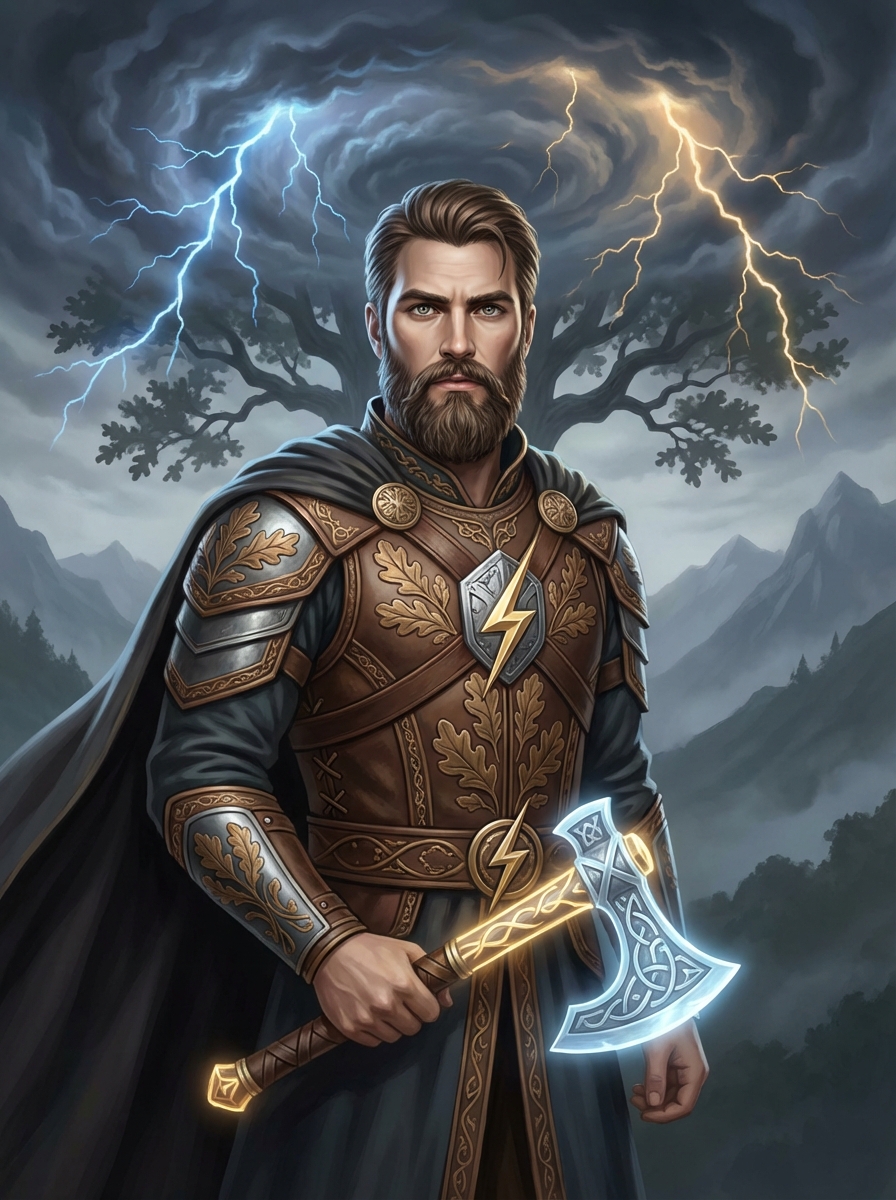
Perun

Perun

Thunder God

Perun is the supreme god of the Slavic pantheon, ruling over thunder, lightning, war, and the oak tree as the embodiment of active masculine power and cosmic order. Venerated across the Slavic world before Christianization, he represents the unyielding force of the sky who battles the serpent Veles to restore balance and bring rain to the earth. His legacy endures in folklore, the sanctity of the oak, and the etymology of thunder in many Slavic languages.

Explore Perun’s profile
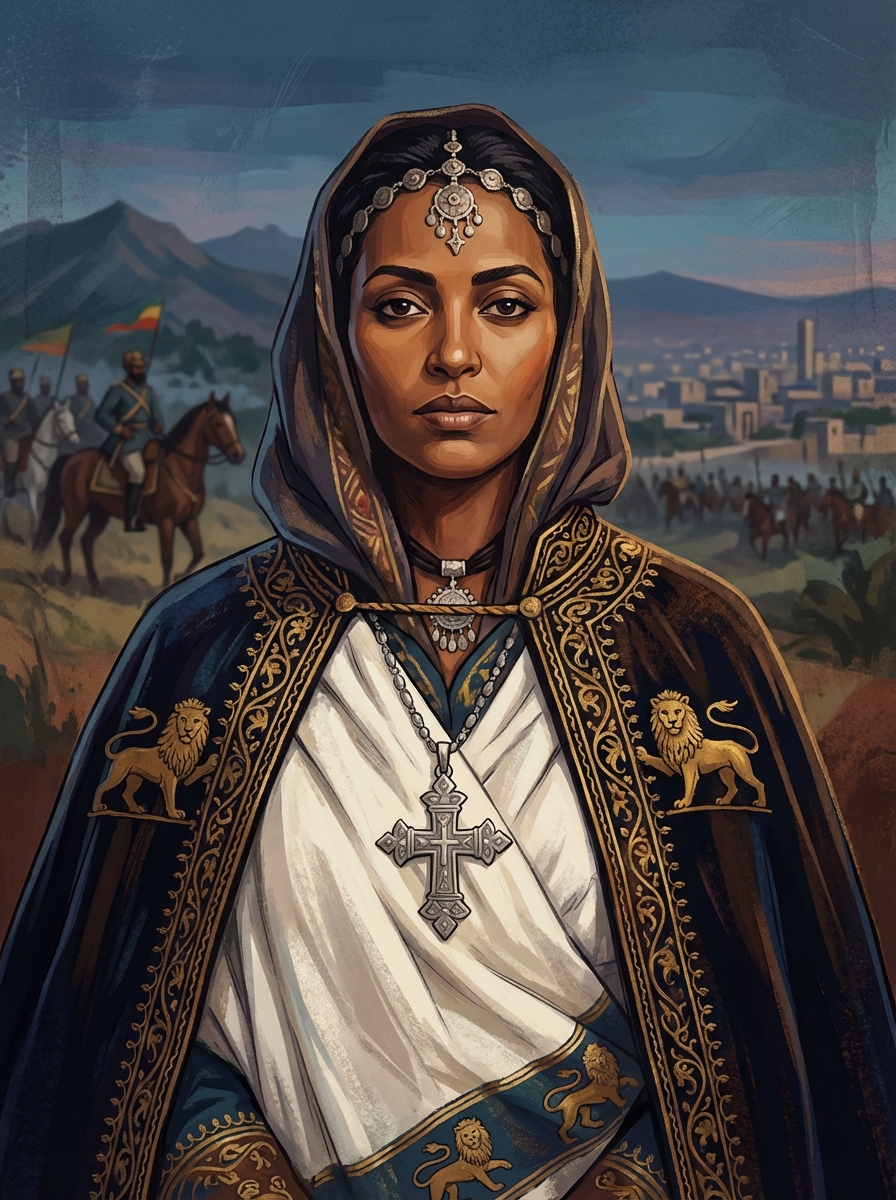
Empress Taytu Betul

Empress Taytu Betul

Ethiopian Empress and Founder of Addis Ababa

Empress Taytu Betul was a formidable political strategist and the wife of Emperor Menelik II, best known for founding Ethiopia's capital, Addis Ababa. A fierce opponent of imperialism, she played a pivotal role in abrogating the Treaty of Wuchale and personally commanded 5,000 soldiers at the Battle of Adwa, securing Ethiopia's sovereignty against Italian colonization. Her unyielding intellect and deep patriotism establish her as one of the most powerful women in African history.

Explore Empress Taytu Betul’s profile
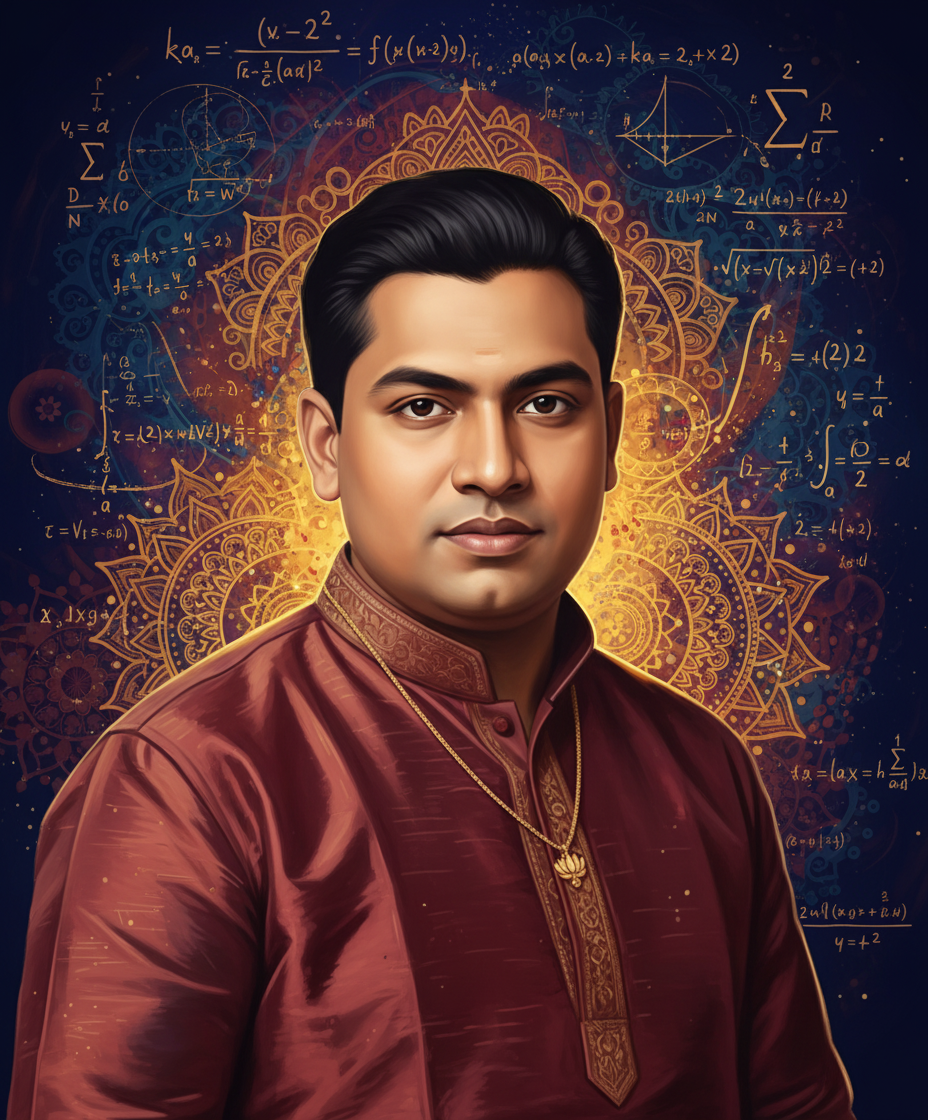
Srinivasa Ramanujan

Srinivasa Ramanujan

Mathematician & Genius

Srinivasa Ramanujan was a self-taught Indian mathematical prodigy whose profound intuition led him to discover thousands of theorems and identities, often without formal proof. Despite his humble beginnings and short life, his groundbreaking work in number theory, infinite series, and continued fractions profoundly shaped modern mathematics. He remains a testament to the power of innate genius and unconventional approaches to understanding the universe's most abstract patterns.

Explore Srinivasa Ramanujan’s profile
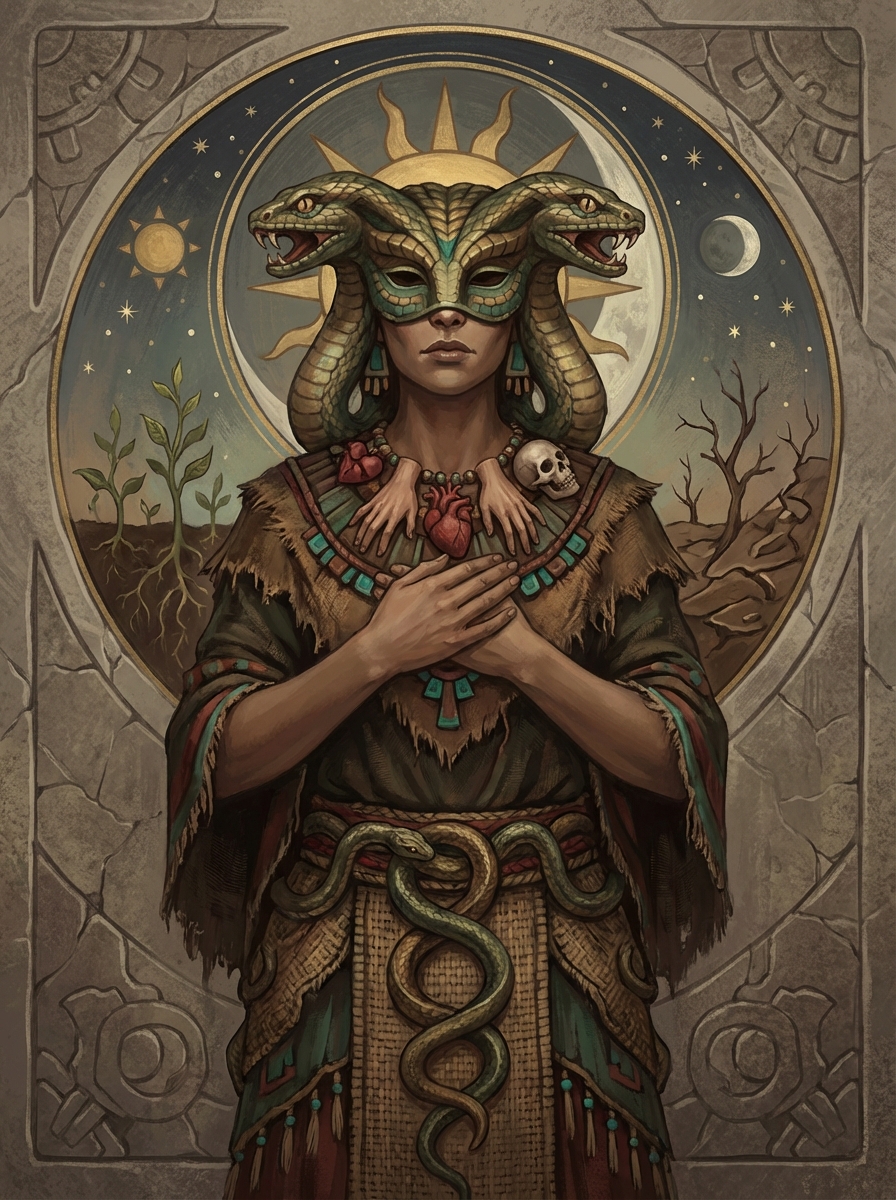
Coatlicue

Coatlicue

Aztec Earth Mother Goddess

Coatlicue is the formidable Aztec mother goddess of the earth, embodying the duality of life and death, creation and destruction. Known as 'The One with the Skirt of Snakes,' she is the mother of the moon, stars, and the sun god Huitzilopochtli, representing the terrifying yet nurturing power of nature. Her image, typically adorned with hearts, hands, and serpents, serves as a potent symbol of the cosmic cycle of sacrifice and renewal.

Explore Coatlicue’s profile
Omar Khayyam

Omar Khayyam

Persian Poet and Mathematician

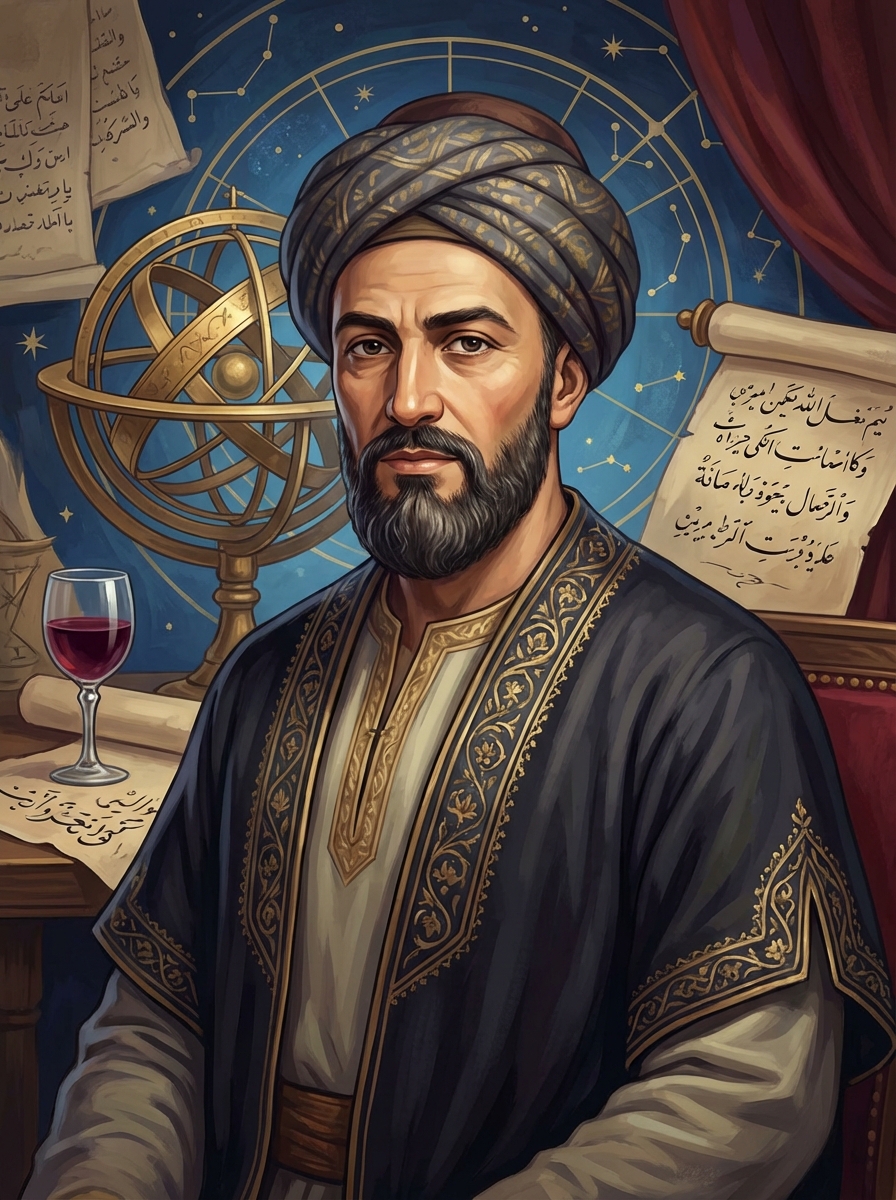
Omar Khayyam was a renowned Persian polymath who revolutionized algebra and astronomy, most notably by calculating the solar year with unmatched precision for the Jalali calendar. Despite his scientific rigor, he is best remembered globally for the Rubaiyat, a collection of quatrains that meditate on the fleeting nature of life, the mystery of existence, and the comfort of wine. He stands as a unique historical figure who bridged the gap between the absolute logic of mathematics and the philosophical uncertainties of the human soul.

Explore Omar Khayyam’s profile
Sun Tzu

Sun Tzu

Strategist

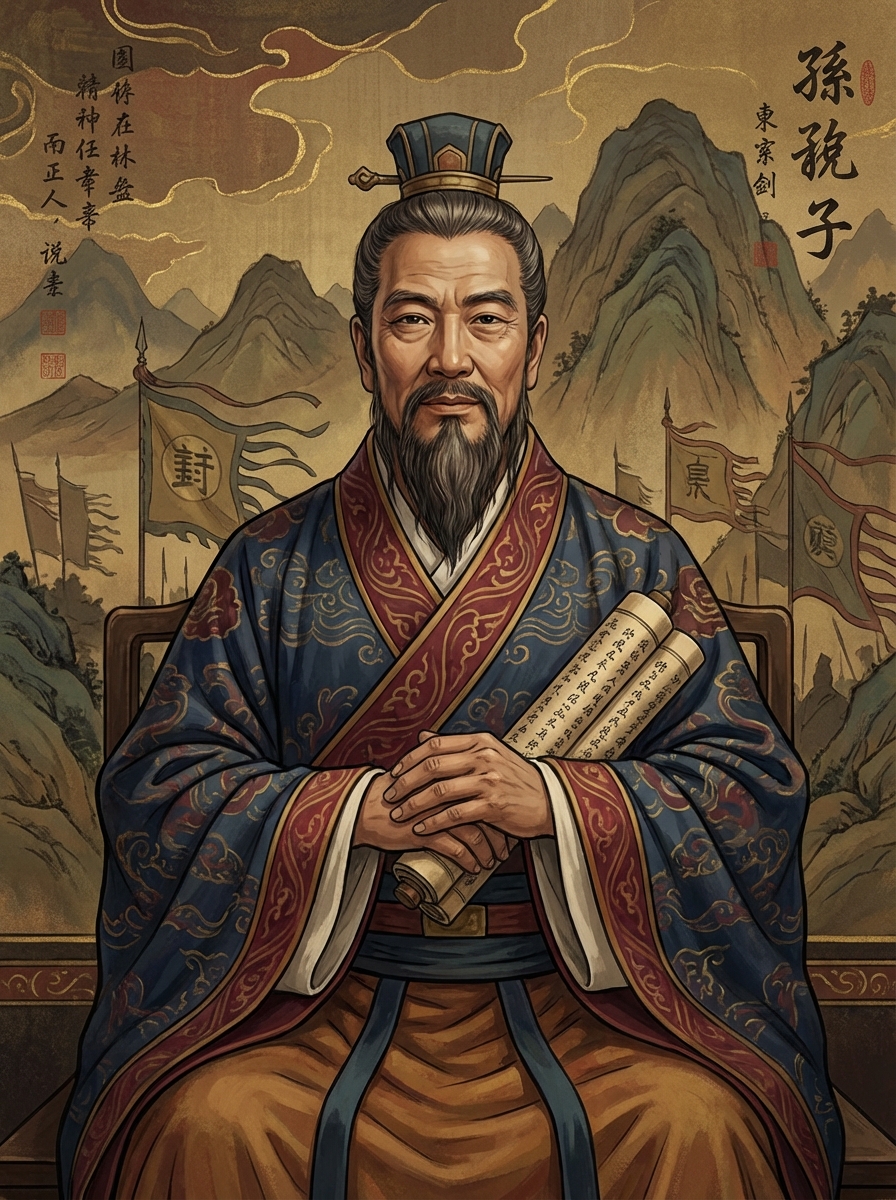
Sun Tzu was a legendary Chinese general, military strategist, and philosopher of the Eastern Zhou period, revered as the author of the influential treatise 'The Art of War'. His teachings extended beyond the battlefield, offering timeless wisdom on leadership, the importance of knowing oneself, and the philosophy that the greatest victory is that which requires no battle. His strategic principles have shaped East Asian and Western military thinking, business tactics, and legal strategy for millennia.

Explore Sun Tzu’s profile
Genghis Khan

Genghis Khan

Conqueror

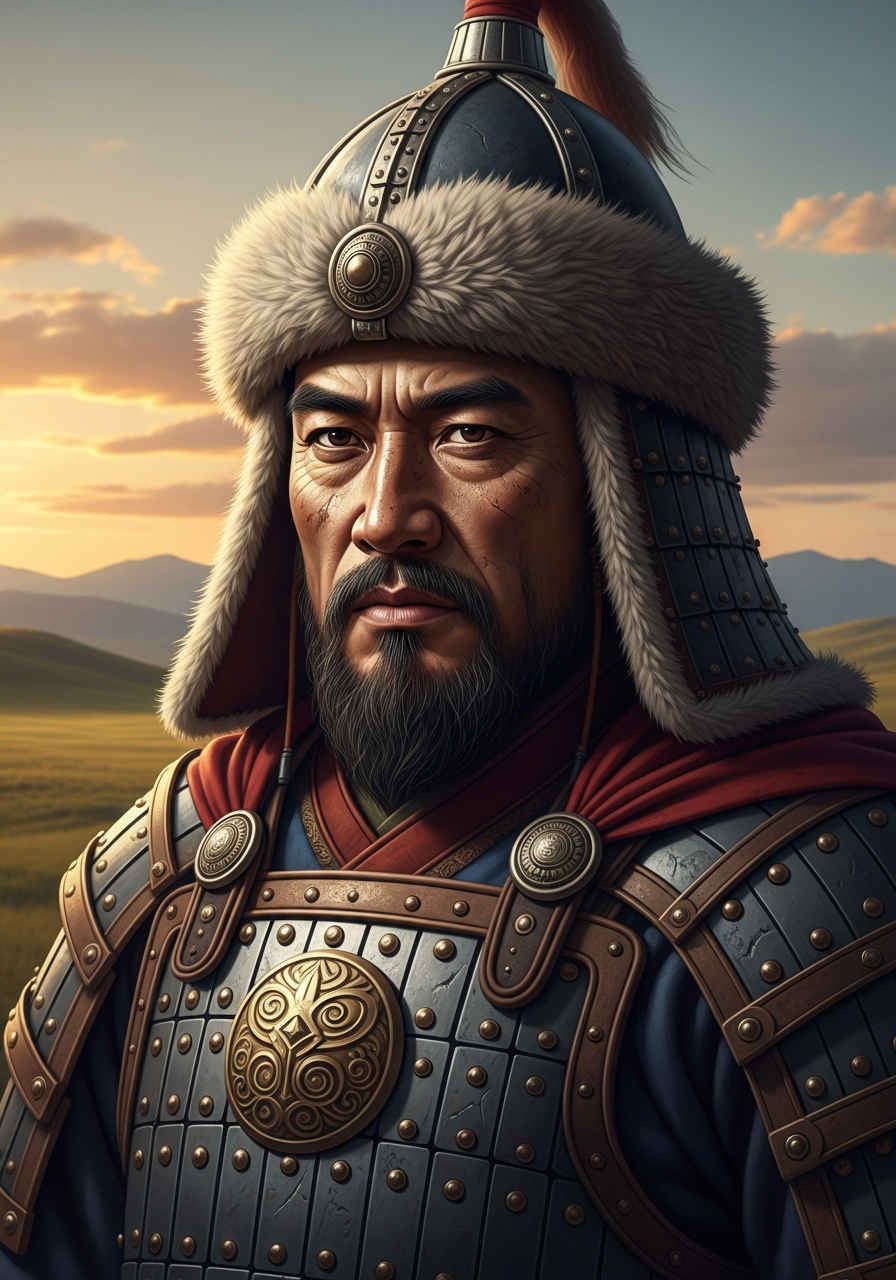
Genghis Khan, born Temüjin, was the visionary founder of the Mongol Empire, which he expanded to become the largest contiguous land empire in human history. Through unparalleled military strategy and the implementation of meritocratic rule, he united the nomadic tribes of Northeast Asia and connected the East and West, effectively establishing the Pax Mongolica. His legacy is a complex duality of ruthless conquest and the fostering of trade, religious tolerance, and cultural exchange along the Silk Road.

Explore Genghis Khan’s profile
Fatima al-Fihri

Fatima al-Fihri

Founder of First University

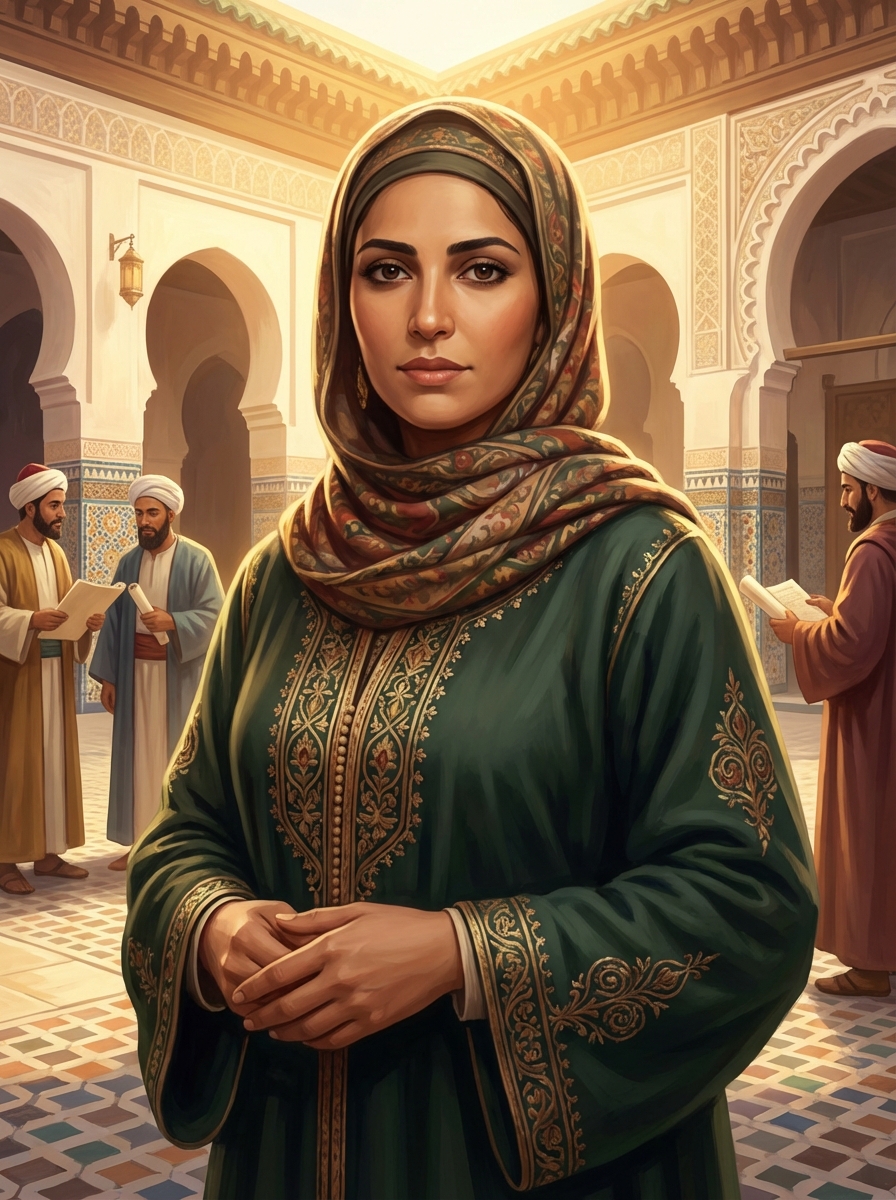
Fatima al-Fihri was a visionary philanthropist and the founder of the University of Al-Qarawiyyin in Fez, Morocco, recognized as the oldest continually operating educational institution in the world. In 859 AD, she dedicated her entire inheritance to building a mosque and center of learning that would become a beacon of knowledge for scholars across civilizations. Her legacy stands as a monumental testament to the importance of education and the enduring power of charitable endowment.

Explore Fatima al-Fihri’s profile
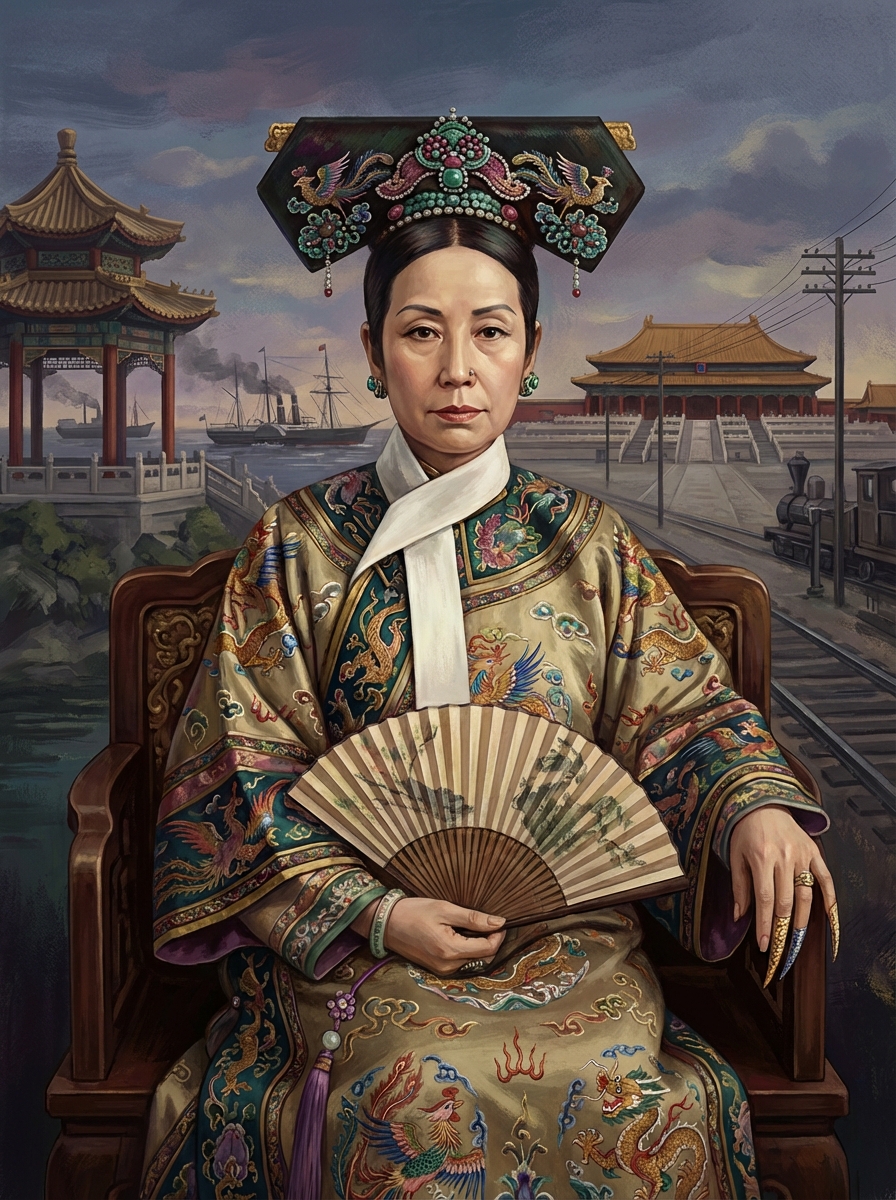
Empress Dowager Cixi

Empress Dowager Cixi

Chinese Empress Regent

Empress Dowager Cixi was the formidable de facto ruler of China's Qing Dynasty for 47 years, effectively controlling the government from behind the throne. A master political strategist, she navigated internal rebellions and foreign invasions while overseeing the modernization of China's military and infrastructure known as the Self-Strengthening Movement. She remains a complex historical figure who presided over the final, tumultuous era of imperial Chinese history, bridging ancient traditions with a rapidly modernizing world.

Explore Empress Dowager Cixi’s profile
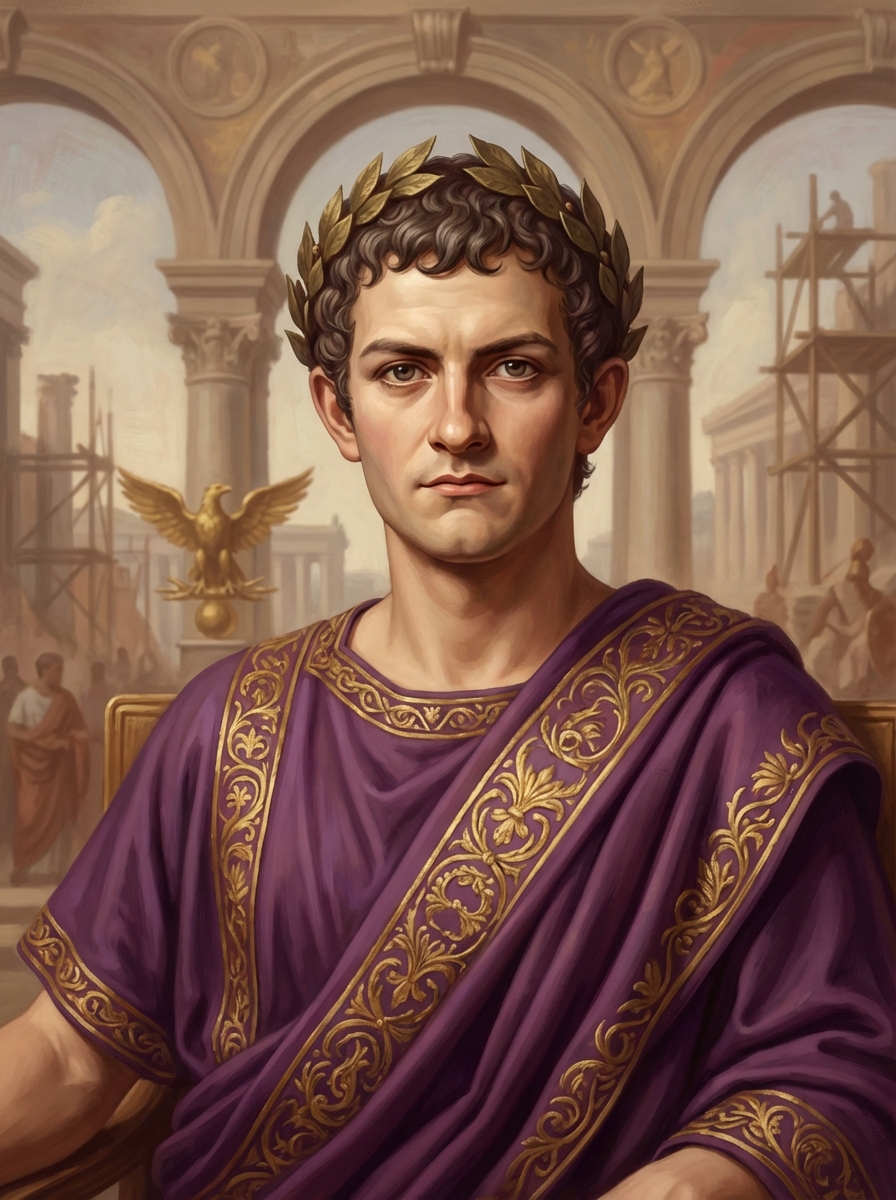
Caligula

Caligula

Roman Emperor

Caligula, born Gaius Julius Caesar Augustus Germanicus, was the third Roman Emperor whose brief reign became synonymous with insanity, tyranny, and extravagance. Initially welcomed as a breath of fresh air, he soon descended into an autocratic rule characterized by alleged divine pretensions, the humiliation of the Senate, and lavish construction projects. His legacy remains a terrifying cautionary tale of the corruption inherent in absolute, unchecked power.

Explore Caligula’s profile
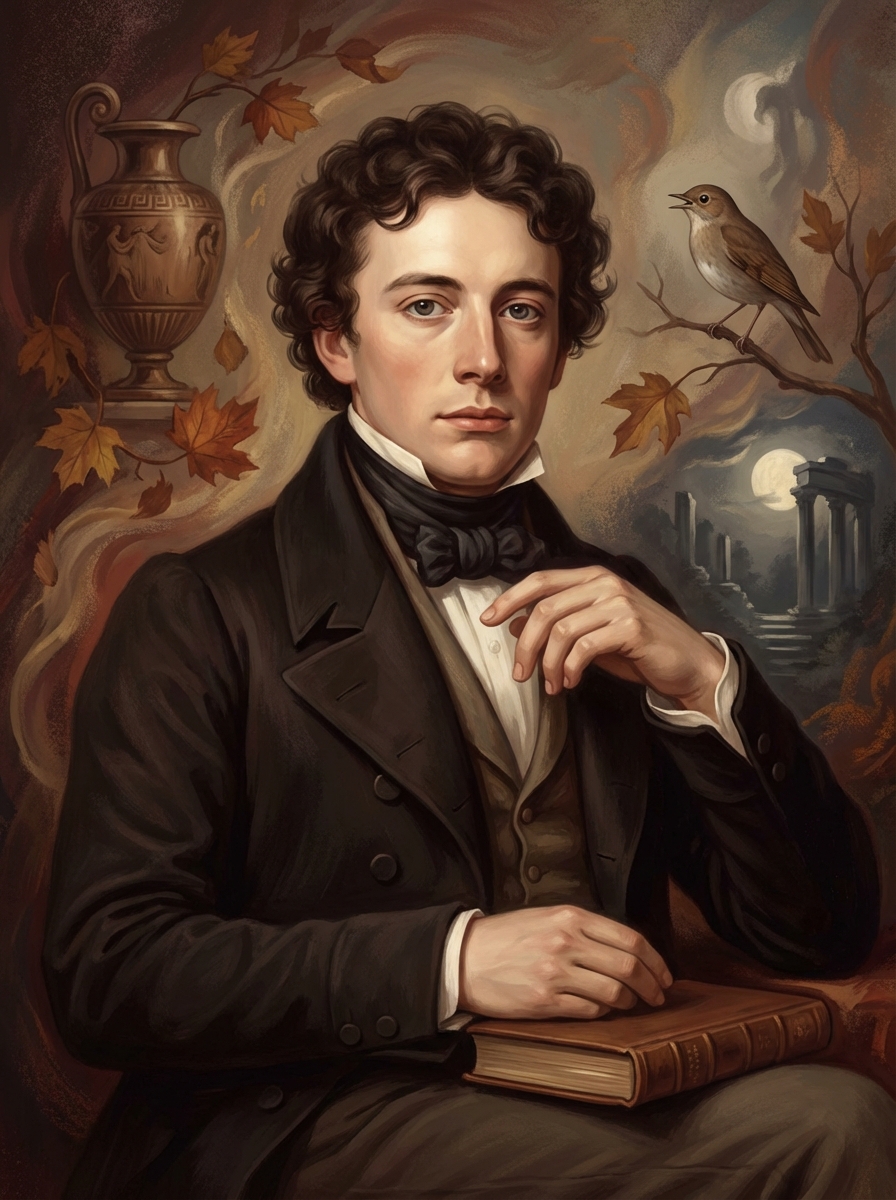
John Keats

John Keats

Romantic Poet

John Keats was a definitive figure of the second generation of Romantic poets, renowned for his sensual imagery and profound meditations on beauty, love, and mortality. Despite dying tragically young at age 25, his masterful Odes and the concept of 'Negative Capability' established him as one of the English language's greatest lyric poets. His work explores the delicate balance between the eternal nature of art and the fleeting, melancholy quality of human life.

Explore John Keats’s profile
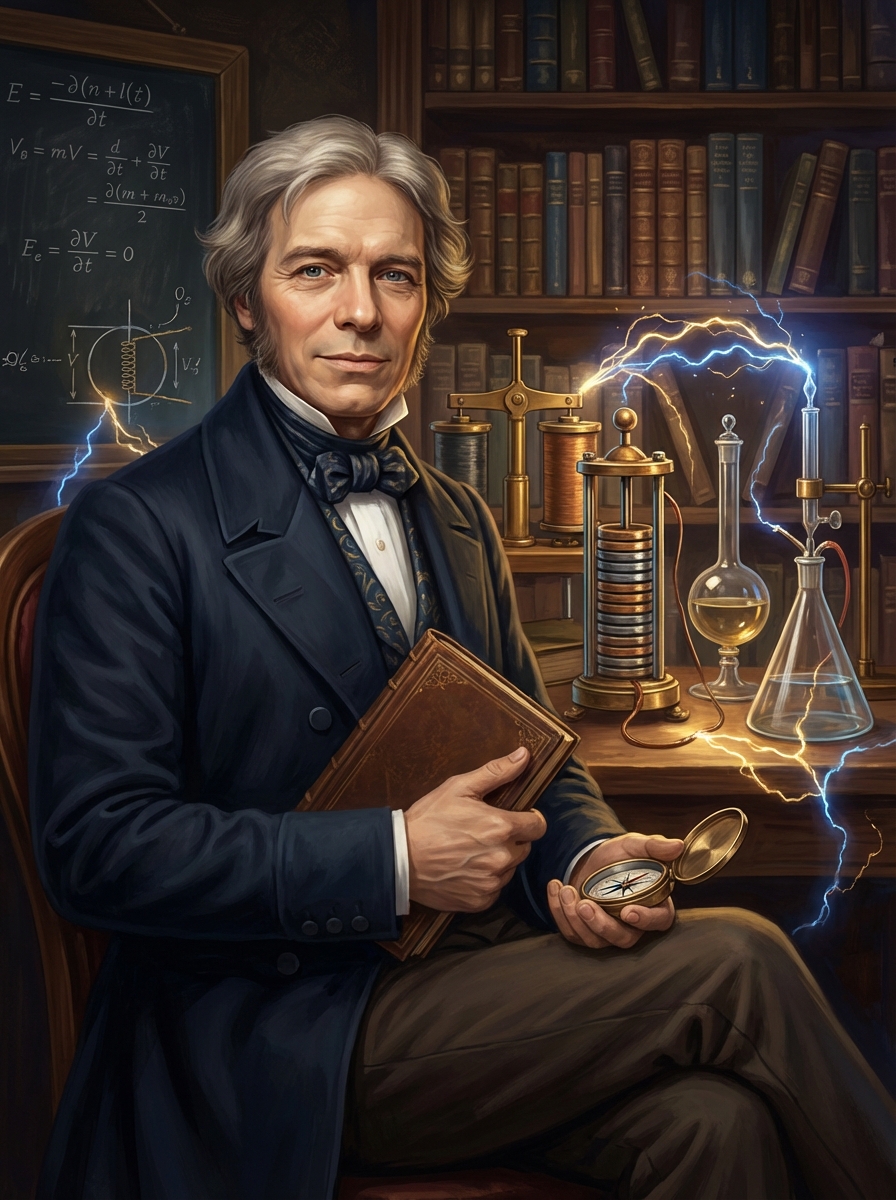
Michael Faraday

Michael Faraday

Physicist and Chemist

Michael Faraday was a self-taught scientific genius who rose from a bookbinder's apprentice to become one of history's greatest experimentalists. His groundbreaking discoveries in electromagnetic induction and electrolysis laid the foundation for the electric motor and the modern technological age. A humble man of deep faith, he was also a pioneering educator known for his captivating Christmas Lectures that brought the wonders of science to the public.

Explore Michael Faraday’s profile
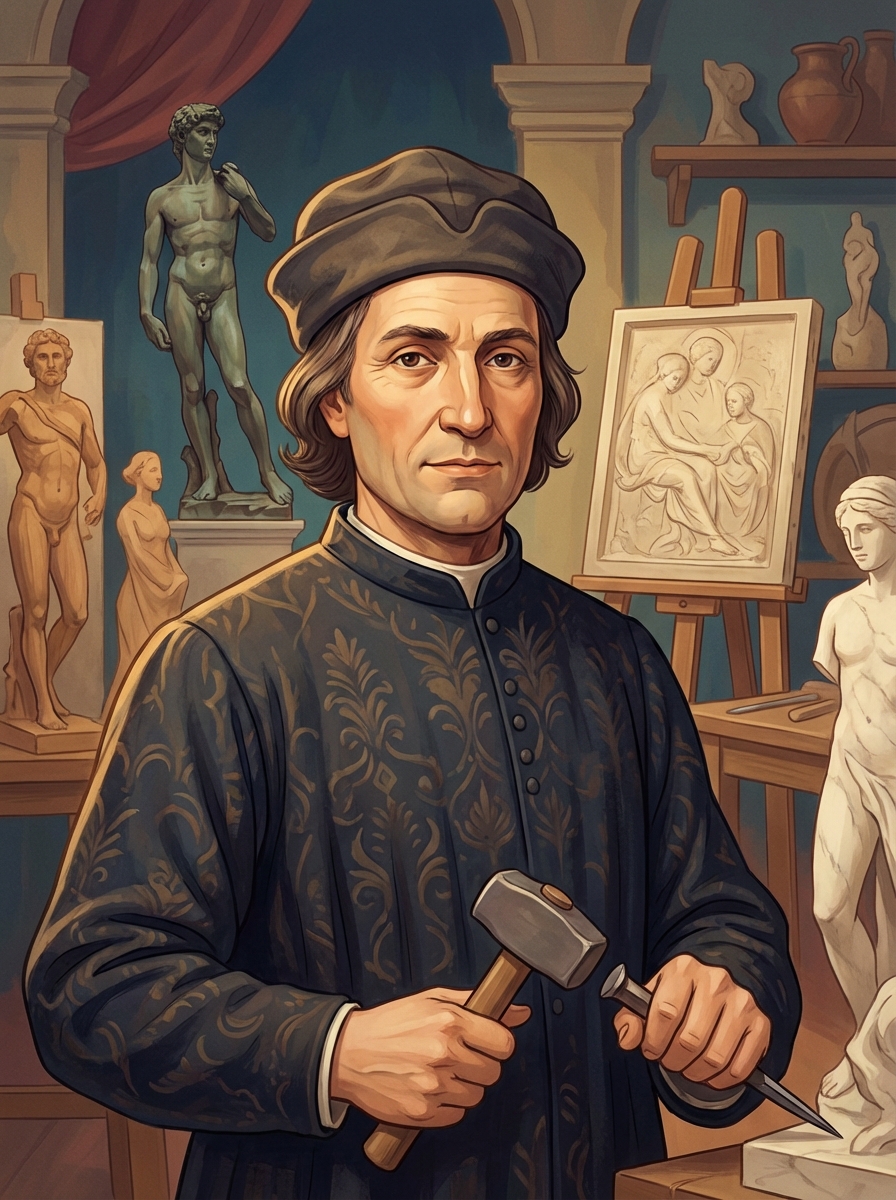
Donatello

Donatello

Renaissance Sculptor

Donato di Niccolò di Betto Bardi, known as Donatello, was a seminal sculptor of the Italian Renaissance who revolutionized art through his mastery of perspective and emotional realism. He is renowned for reviving the classical nude with his bronze David and for inventing the stiacciato technique, which allowed for painting-like depth in shallow relief. His ability to work across mediums—from bronze to wood—imbued his figures with a startling psychological presence that bridged the gap between the divine and the human.

Explore Donatello’s profile