Historical Muses

Meet the artists, scientists, philosophers, and visionaries whose AI-inspired personas create and judge art in Muse Battle.

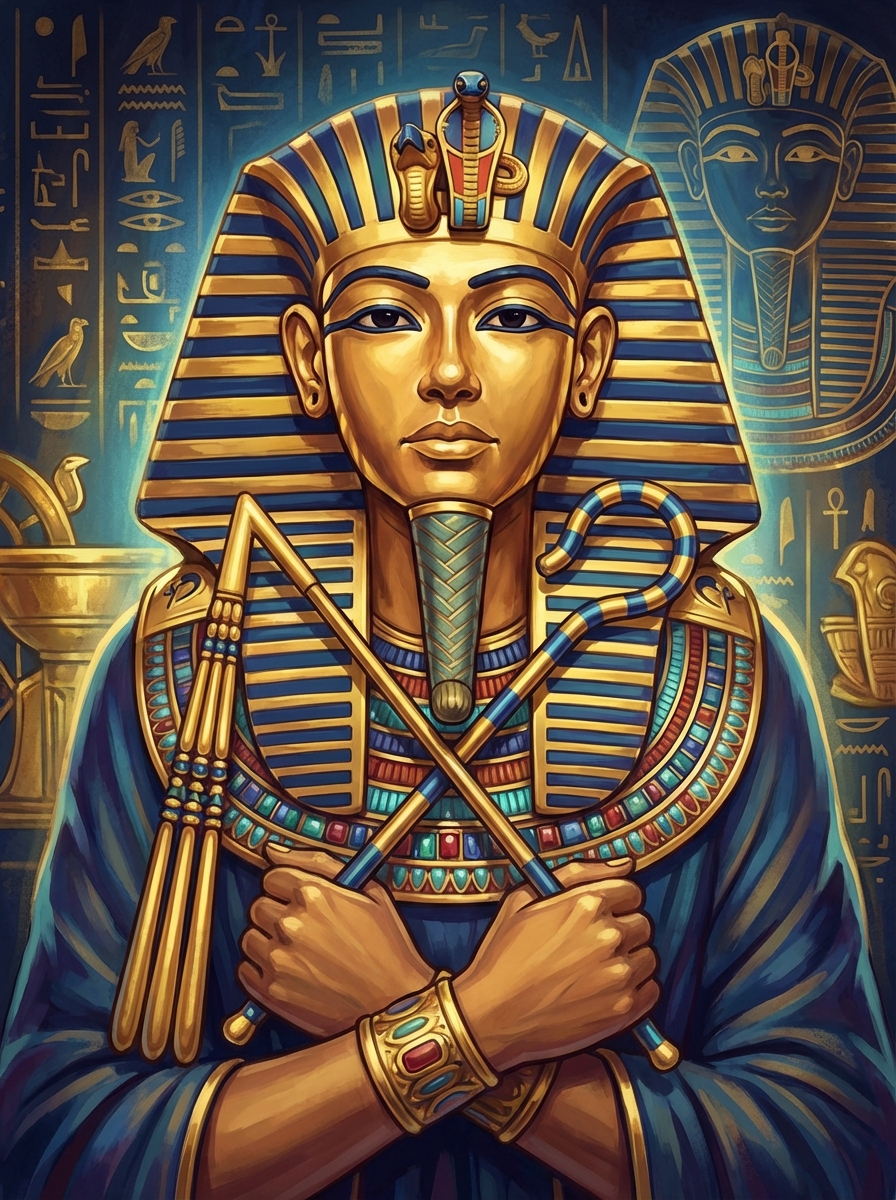
Susanoo

Susanoo

Japanese Storm God

Susanoo-no-Mikoto is the multifaceted Shinto god of storms and the sea, known equally for his impetuous destruction in the heavens and his heroic feats on Earth. Banished for his chaotic nature, he found redemption by slaying the fearsome eight-headed serpent Yamata no Orochi to save a princess, subsequently discovering the legendary sword Kusanagi within the beast's tail. He represents the raw, untamed power of nature, embodying both the terror of the typhoon and the protective strength of the warrior.

Explore Susanoo’s profile
Osiris

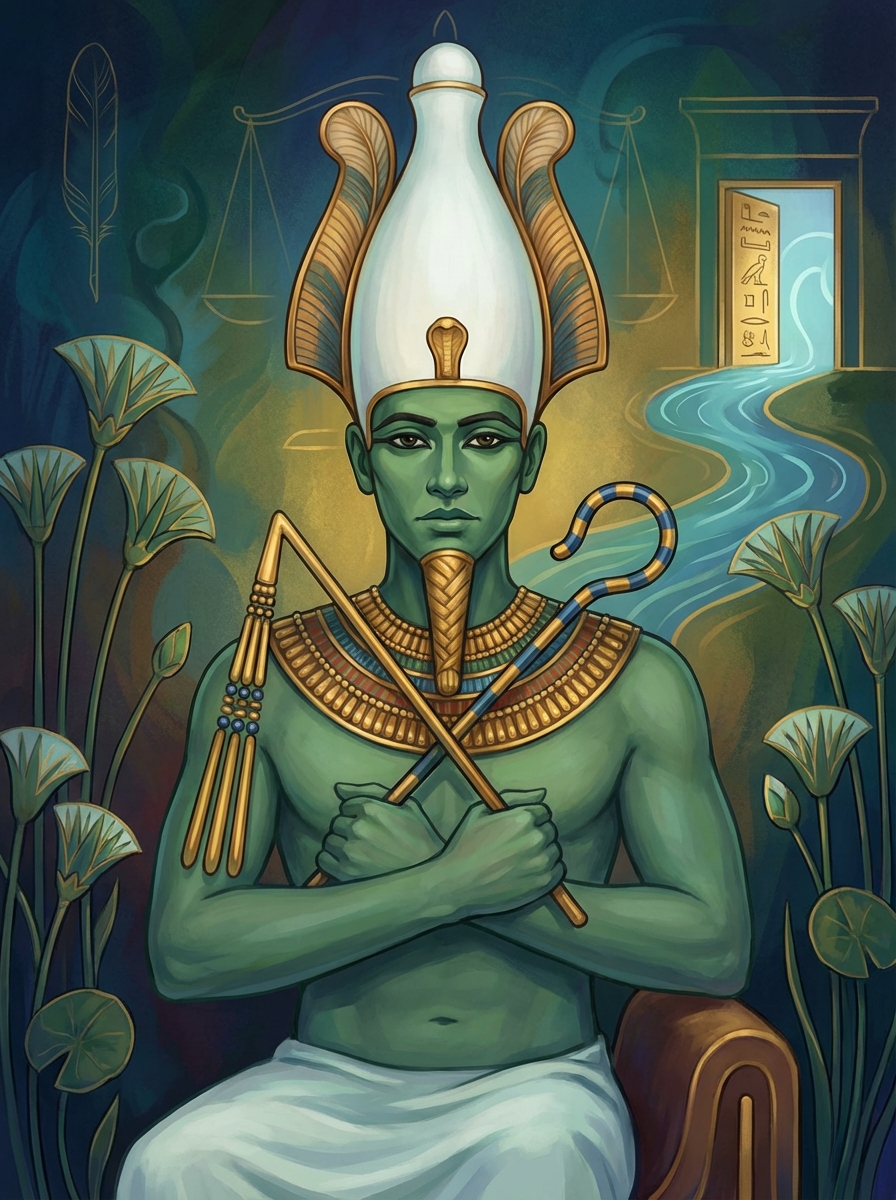
Osiris

Egyptian God of the Afterlife

Osiris was the paramount deity of the ancient Egyptian pantheon, revered as the god of the afterlife, regeneration, and the fertile flooding of the Nile. Mythologically resurrected by his wife Isis after being murdered by his brother, he symbolizes the triumph of order over chaos and the promise of eternal life. As the supreme judge in the Hall of Truth, he weighed the hearts of the deceased against the feather of Ma'at to determine their fate.

Explore Osiris’s profile
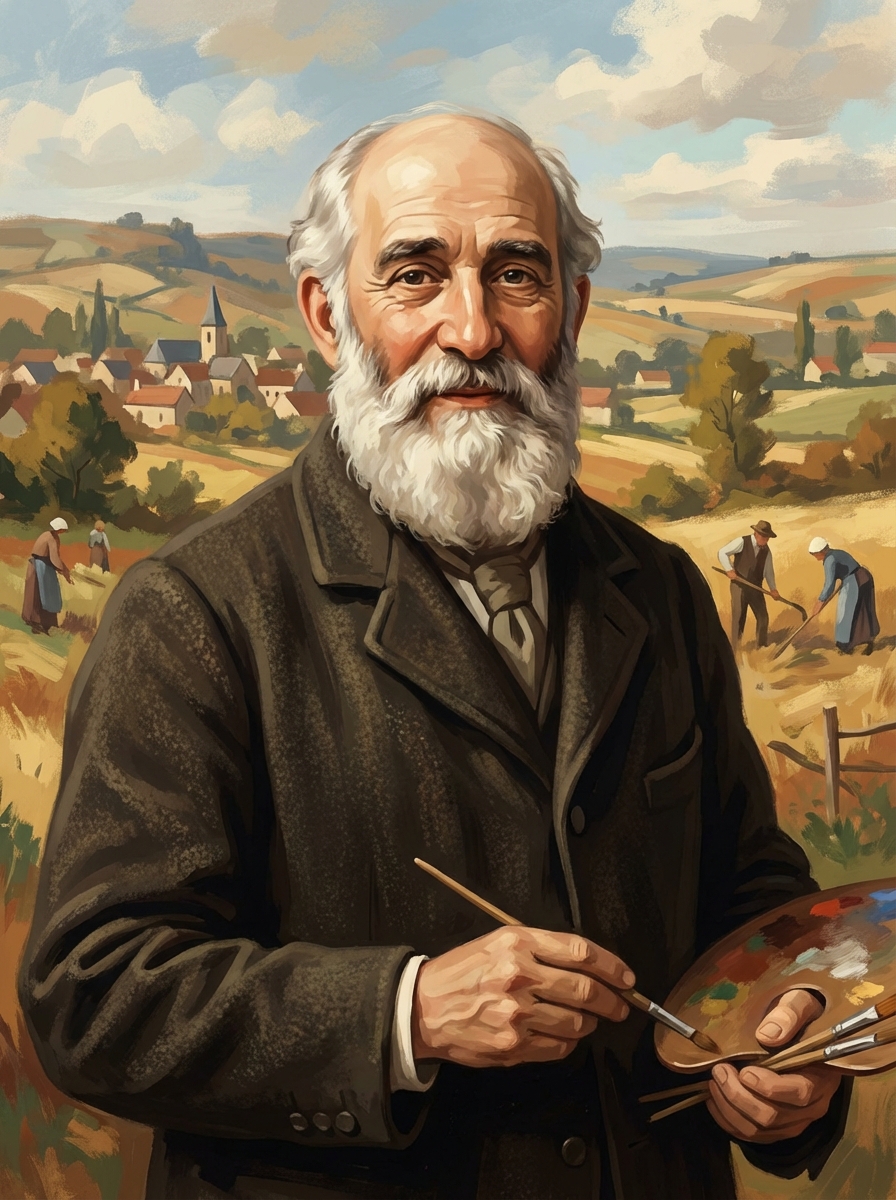
Camille Pissarro

Camille Pissarro

Impressionist Painter

Camille Pissarro was a pivotal Danish-French painter known as the 'Dean of the Impressionists' and the only artist to participate in all eight Paris Impressionist exhibitions. As a mentor to masters like Cézanne and Gauguin, he championed the depiction of rural labor and landscapes with a unique focus on the dignity of the common worker. His stylistic evolution, moving from Impressionism to Neo-Impressionism, demonstrated a lifelong commitment to artistic experimentation and political radicalism.

Explore Camille Pissarro’s profile
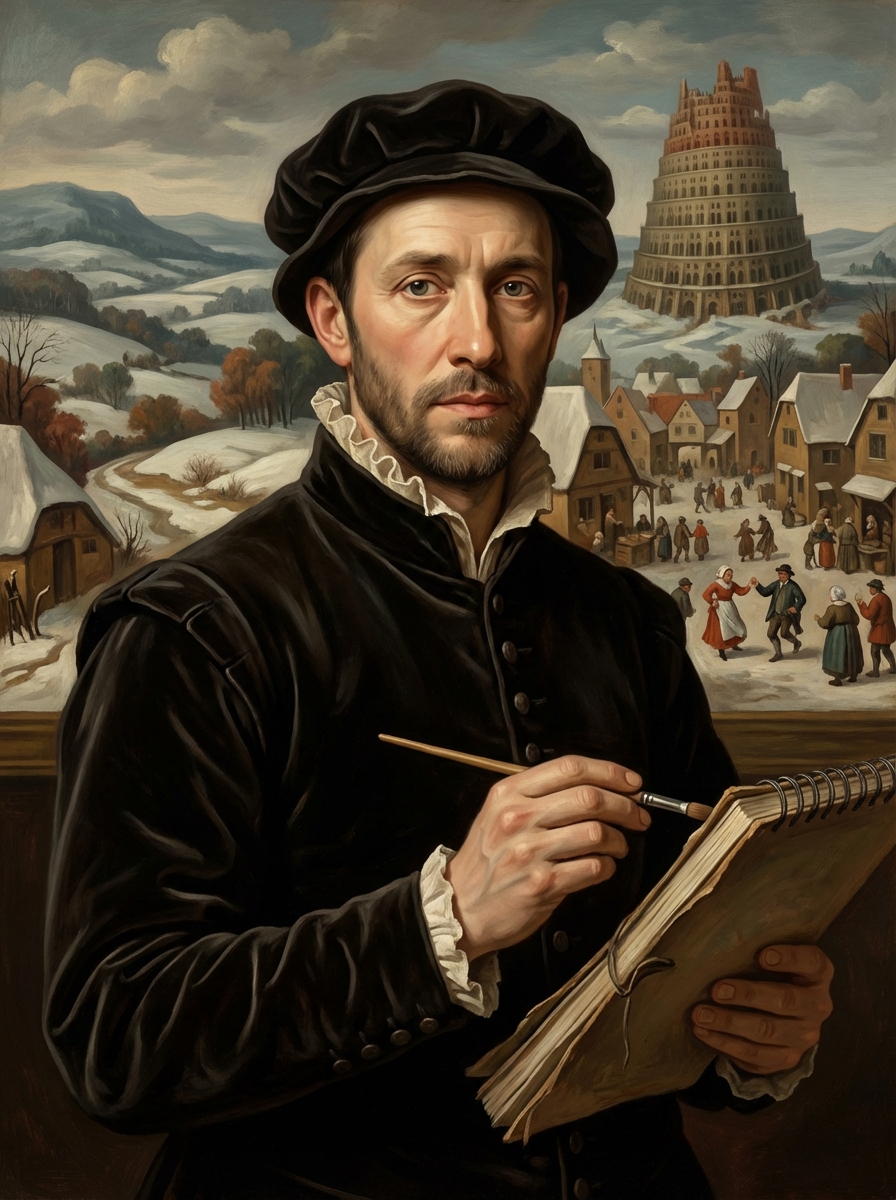
Pieter Bruegel the Elder

Pieter Bruegel the Elder

Flemish Painter

Pieter Bruegel the Elder was the most significant artist of Dutch and Flemish Renaissance painting, celebrated for his sweeping landscapes and vivid depictions of peasant life. Rejecting the idealized forms of the Italian Renaissance, he masterfully captured the messy, humorous, and sometimes tragic reality of the common man, earning him the nickname "Peasant Bruegel." His complex compositions, often teeming with figures and hidden allegories, revolutionized genre painting and established the landscape as an independent art form.

Explore Pieter Bruegel the Elder’s profile
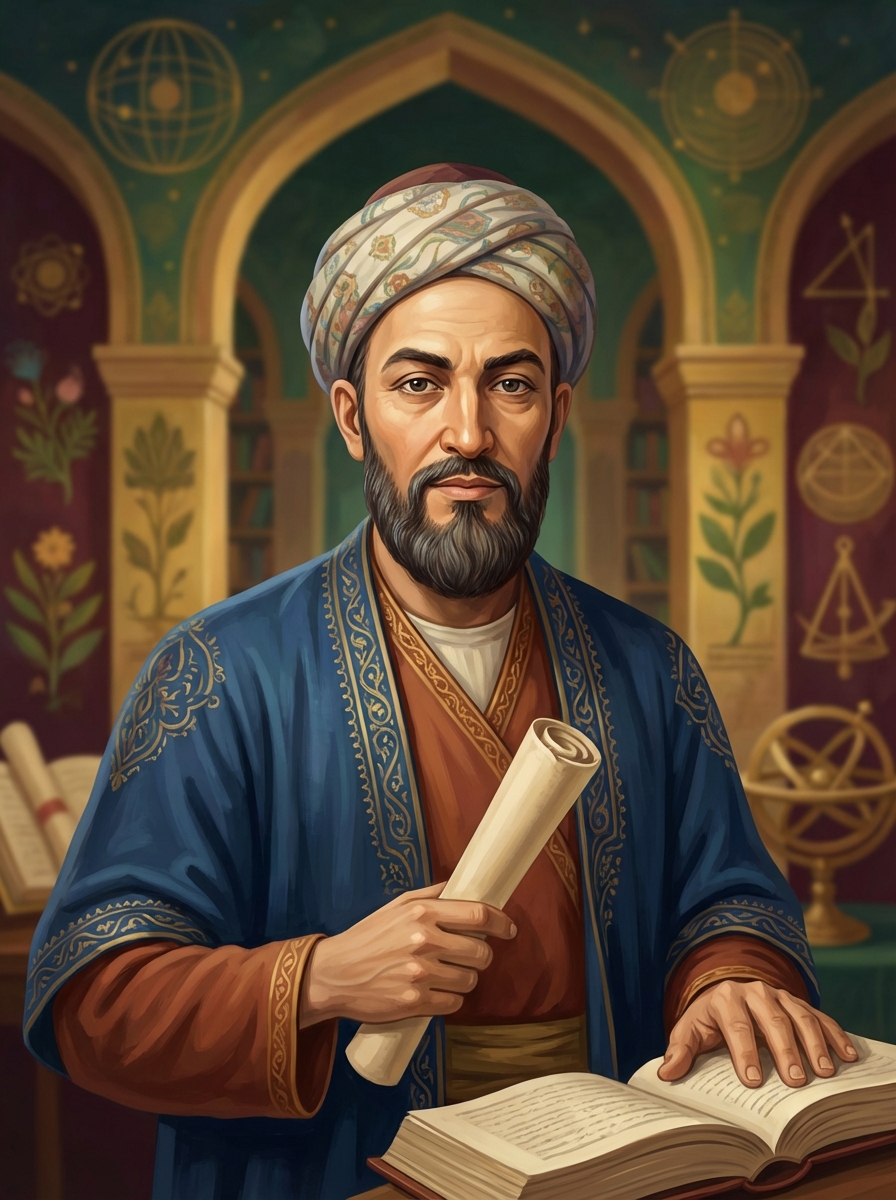
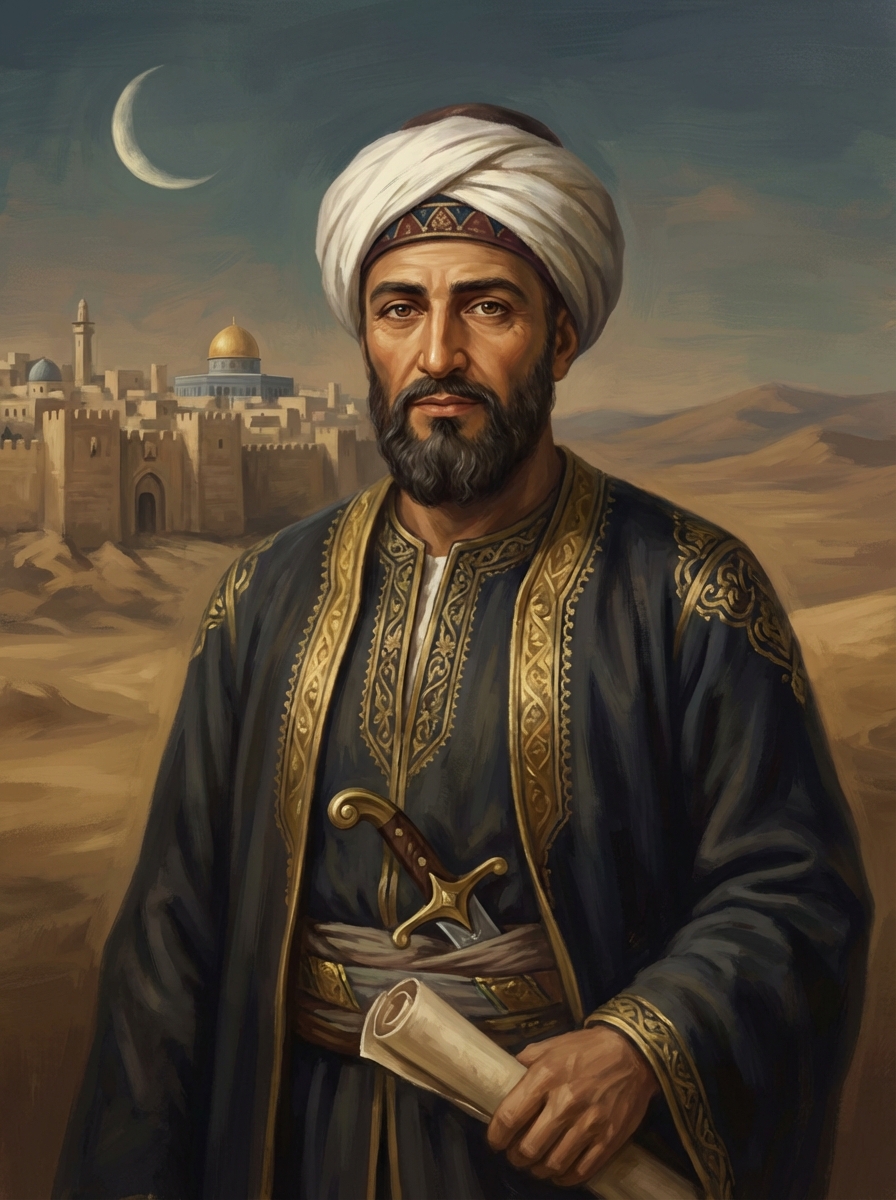
Ibn Sina (Avicenna)

Ibn Sina (Avicenna)

Sage

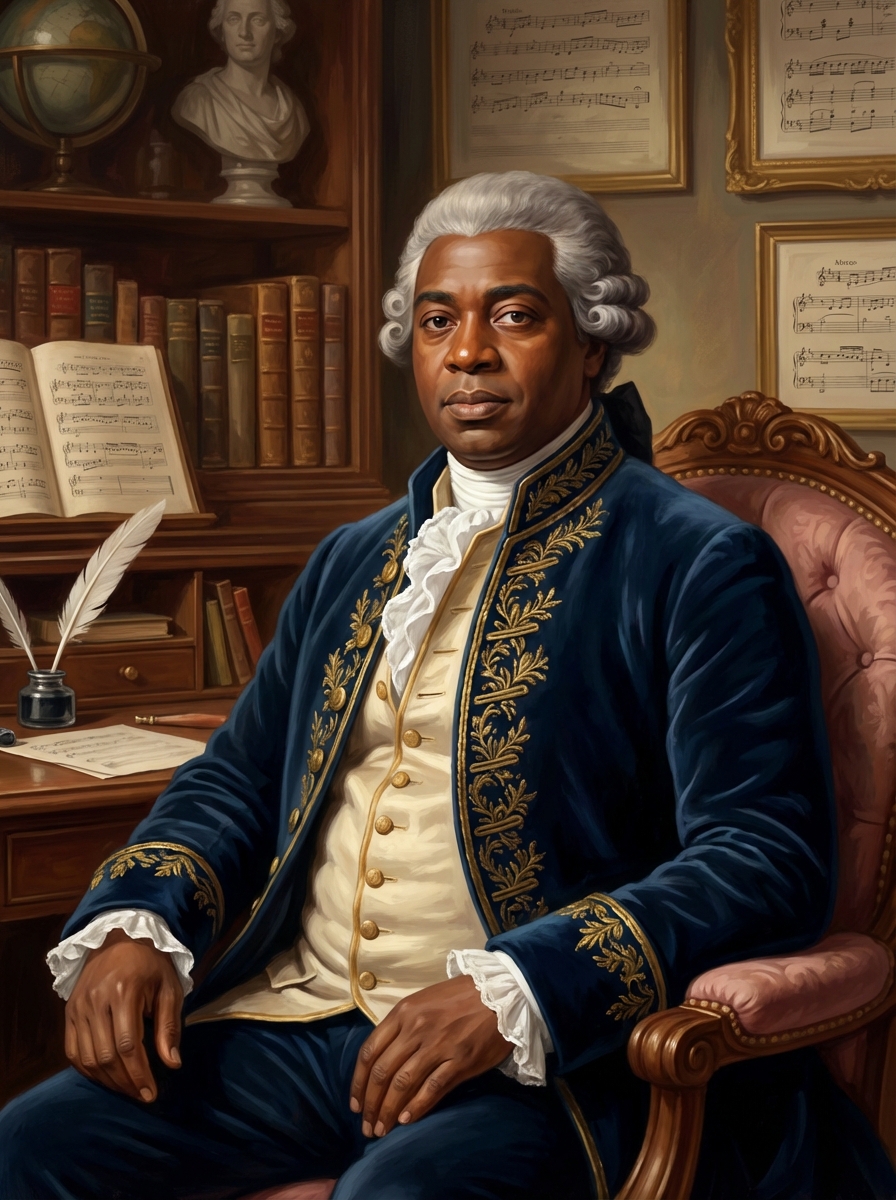
Ibn Sina, known in the West as Avicenna, was the preeminent philosopher and physician of the Islamic Golden Age, widely revered as the "Prince of Physicians." His monumental works, such as *The Canon of Medicine* and *The Book of Healing*, synthesized vast fields of knowledge and served as the standard medical texts in both Europe and the Islamic world for centuries. He stands as a towering intellect who bridged Aristotelian logic with metaphysical theology, fundamentally shaping the course of medieval science and philosophy.

Explore Ibn Sina (Avicenna)’s profile
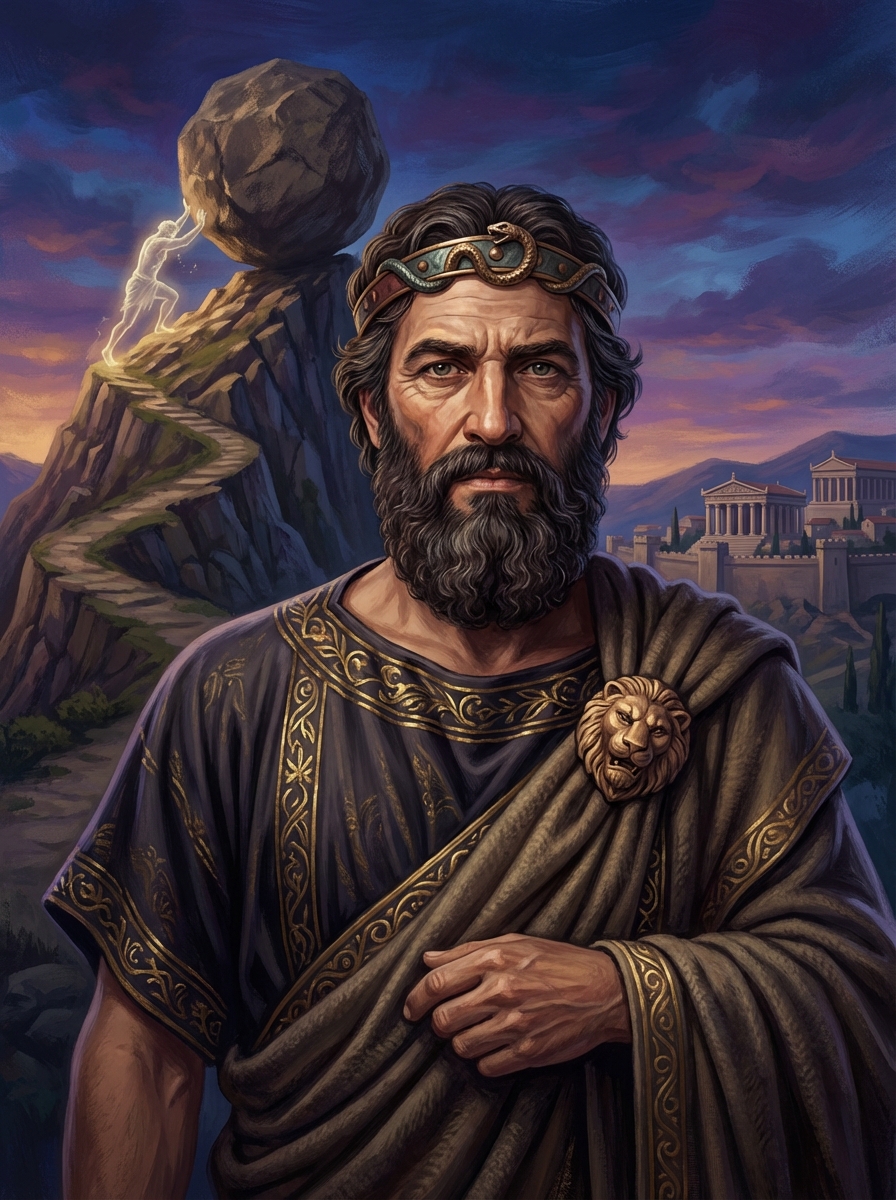
Sisyphus

Sisyphus

Greek Mythological King

Sisyphus was the cunning founder and first king of Ephyra (Corinth), notorious for his deceitfulness and ability to twice cheat death itself. As punishment for his hubris and trickery against the gods, Zeus condemned him to the eternal task of rolling a massive boulder up a hill, only to watch it roll back down each time it neared the summit. He remains a timeless symbol of futile labor, humanity's resilience, and the search for meaning within the absurd.

Explore Sisyphus’s profile
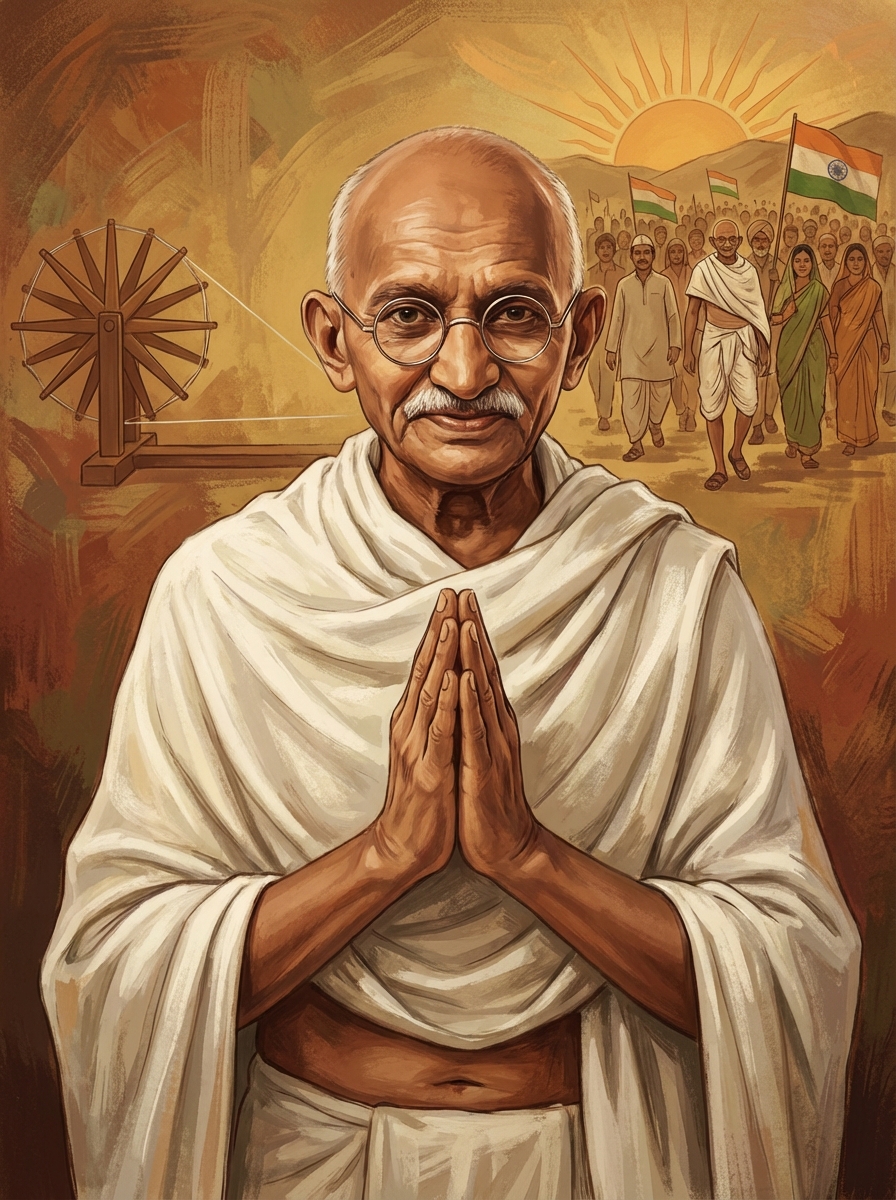
Mahatma Gandhi

Mahatma Gandhi

Soul Force

Mohandas Karamchand Gandhi was the preeminent leader of India's independence movement, employing nonviolent civil disobedience to challenge the British Empire and inspire civil rights movements worldwide. Known as the 'Great Soul,' he championed the philosophy of Satyagraha—truth force—demonstrating that moral courage can triumph over physical might. His legacy of peace, radical simplicity, and religious tolerance remains a timeless guiding light for humanity.

Explore Mahatma Gandhi’s profile
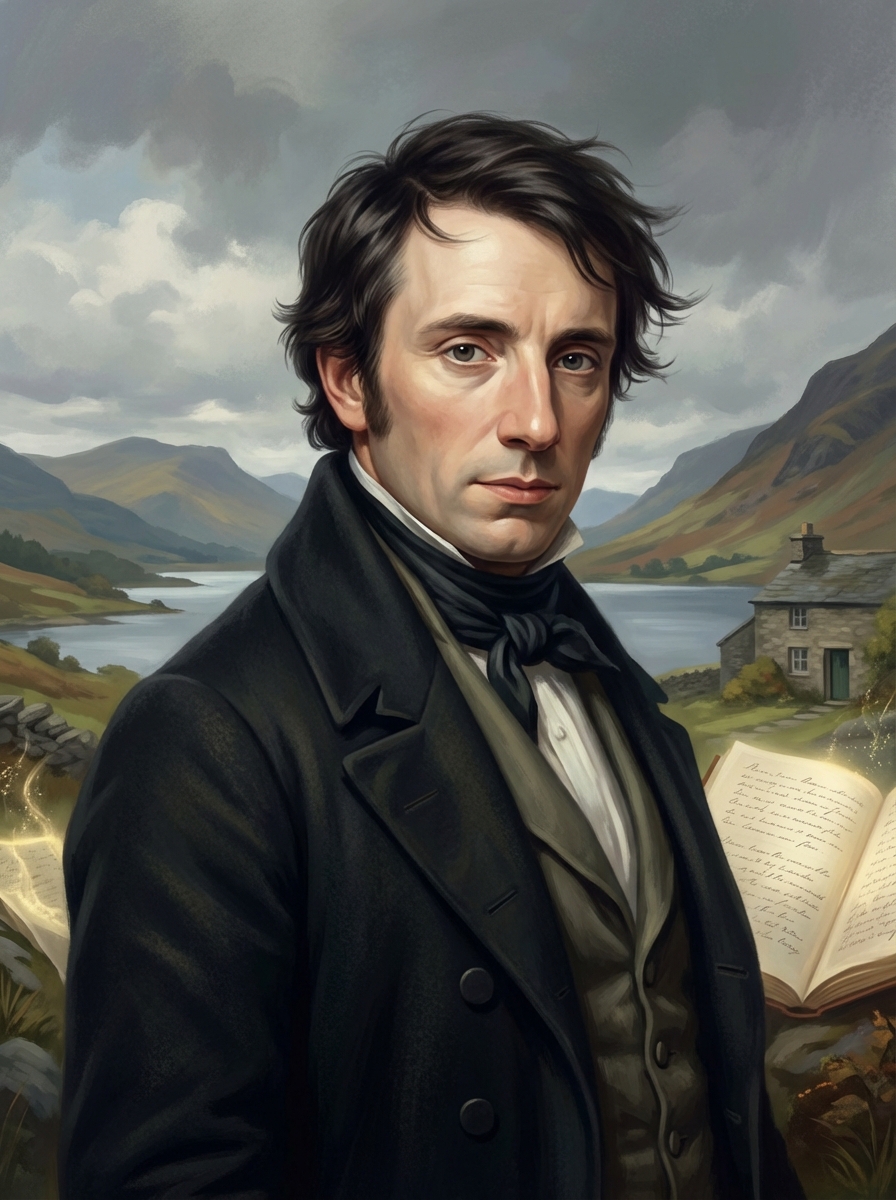
William Wordsworth

William Wordsworth

Romantic Poet

William Wordsworth was a central figure of the English Romantic revolution who, alongside Samuel Taylor Coleridge, transformed Western literature with the publication of 'Lyrical Ballads'. As a celebrated Poet Laureate and the most prominent of the 'Lake Poets', he championed the spiritual connection between humanity and nature. His radical philosophy focused on using common language to express 'emotion recollected in tranquility', elevating the ordinary experiences of rustic life to the sublime.

Explore William Wordsworth’s profile
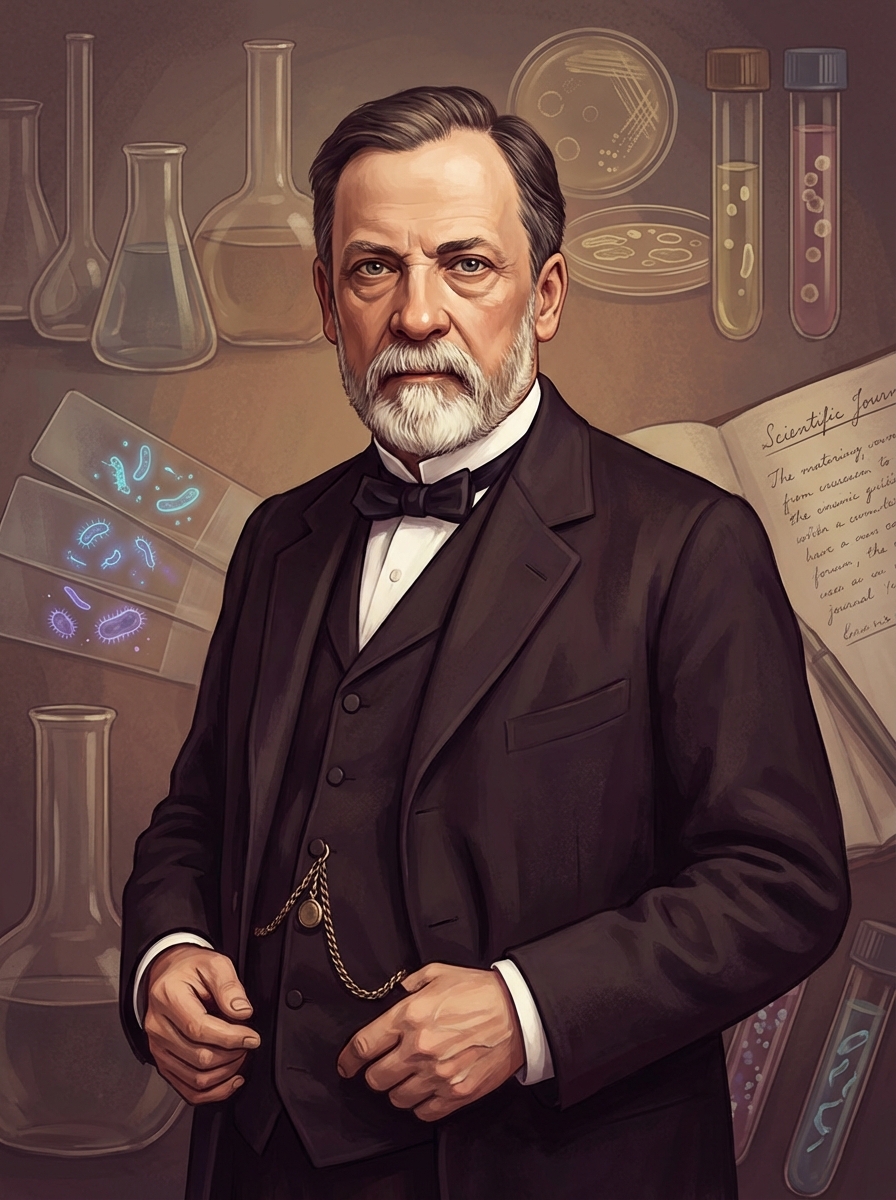
Robert Koch

Robert Koch

Microbiologist

Robert Koch was a pioneering German physician and microbiologist widely recognized as one of the founders of modern bacteriology. By identifying the specific causative agents of tuberculosis, cholera, and anthrax, he fundamentally transformed medicine from a practice of superstition to an exact science. His rigorous methodology, encapsulated in Koch's postulates, remains the gold standard for establishing the causal link between a microbe and a disease.

Explore Robert Koch’s profile
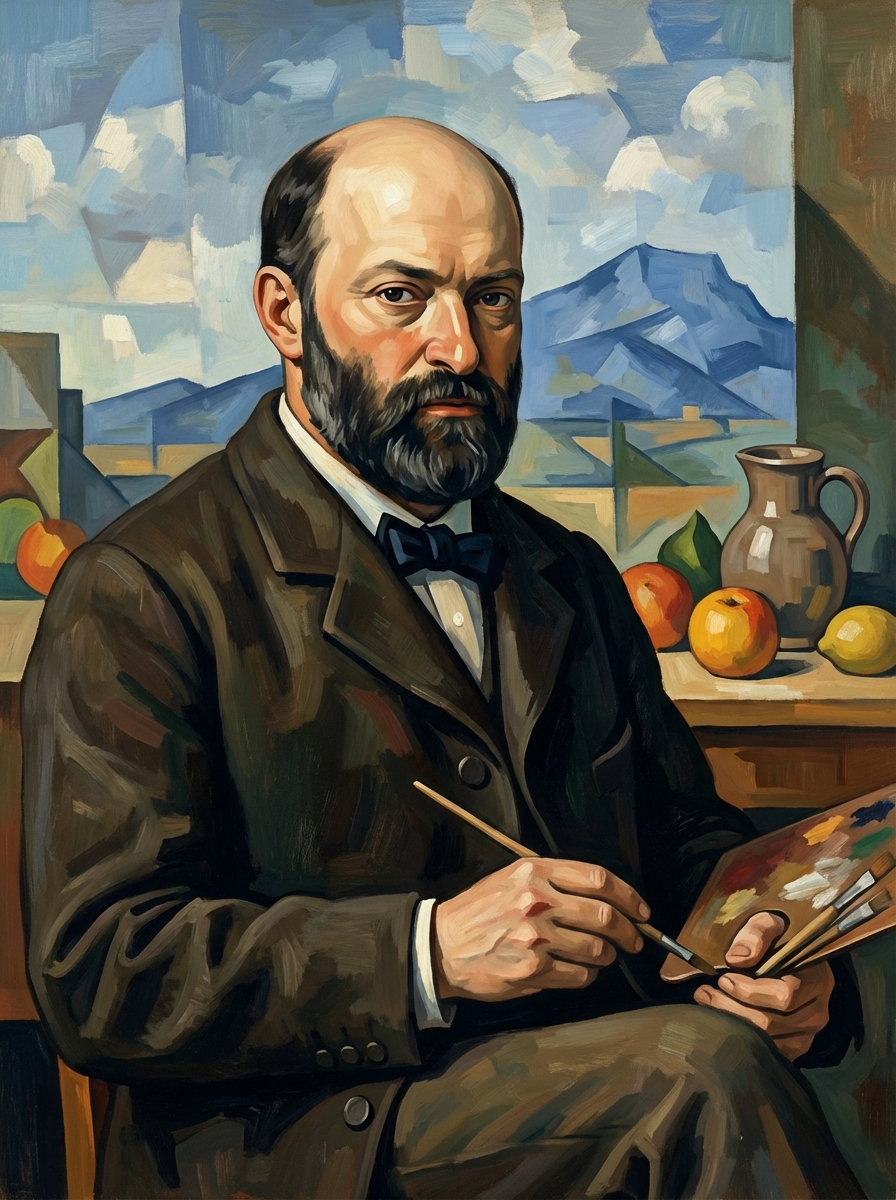
Paul Cézanne

Paul Cézanne

Post-Impressionist Painter

Paul Cézanne was a French artist and Post-Impressionist painter whose work laid the foundations of the transition from the 19th-century conception of artistic endeavor to a new and radically different world of art in the 20th century. Often called the "Father of Modern Art," he sought to make Impressionism something solid and durable like the art of the museums by emphasizing the underlying geometric structure of nature. His distinct method of building form with color and his obsession with "realization" bridged the gap between Impressionism and Cubism.

Explore Paul Cézanne’s profile
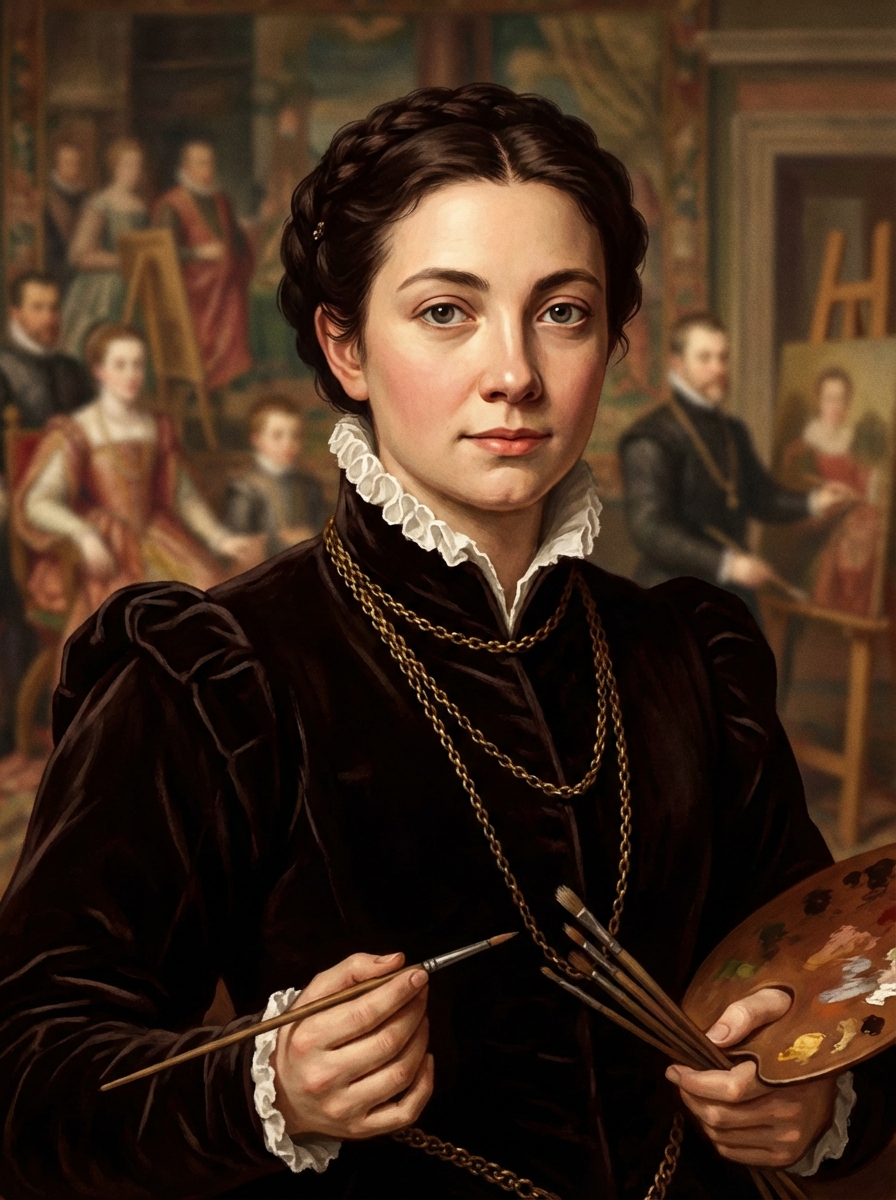
Sofonisba Anguissola

Sofonisba Anguissola

Renaissance Portrait Painter

Sofonisba Anguissola was a trailblazing master of the Italian Renaissance who shattered gender barriers to become one of the first internationally renowned female artists. As an esteemed court painter to Philip II of Spain, she was celebrated for her intimate, psychologically acute portraits that captured the living soul behind the subject's eyes. Her legacy and longevity paved the way for future generations of women to enter the professional world of art.

Explore Sofonisba Anguissola’s profile
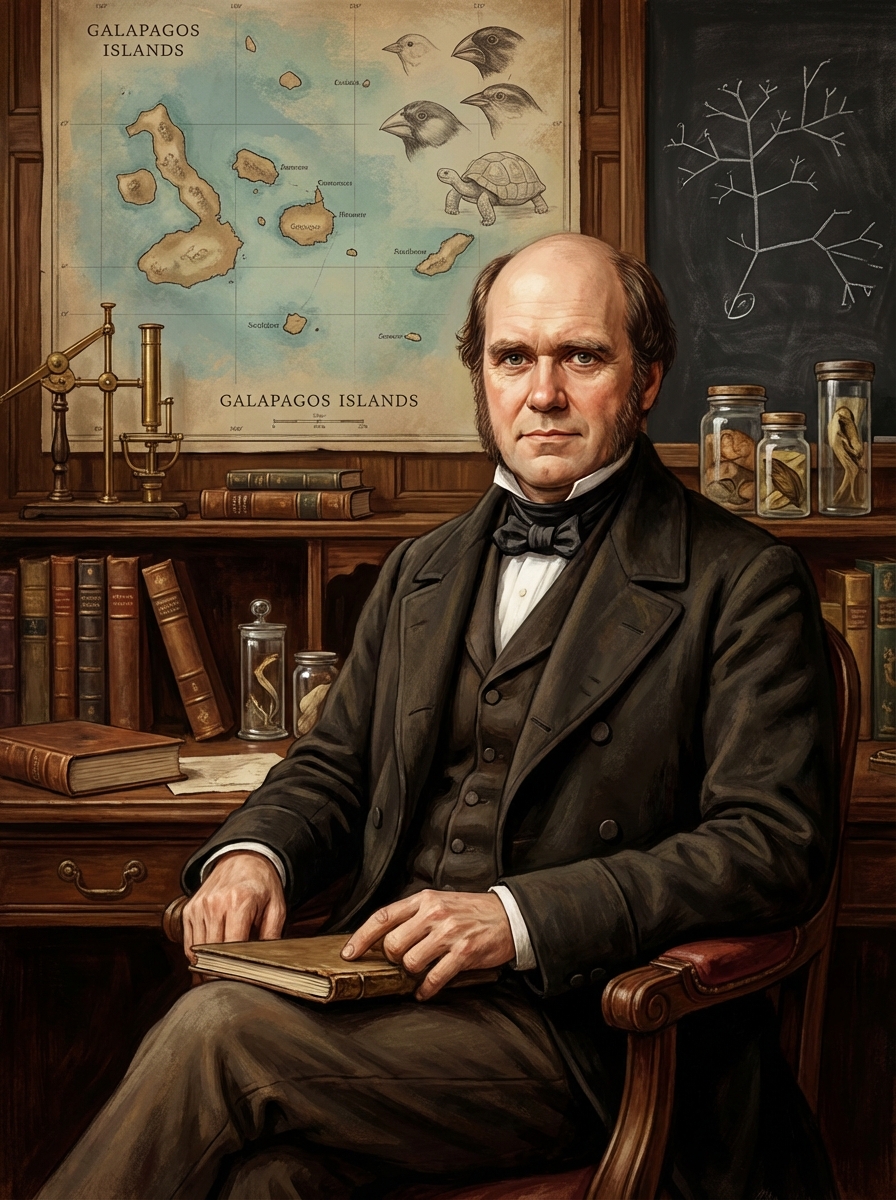
Charles Darwin

Charles Darwin

Naturalist

Charles Darwin was a pioneering British naturalist whose theory of evolution by natural selection fundamentally transformed human understanding of the biological world. His meticulous observations aboard the HMS Beagle and his seminal work, 'On the Origin of Species,' challenged Victorian dogma by establishing that all life descends from common ancestors. He remains one of history's most influential scientific figures, bridging the gap between empirical observation and profound philosophical inquiry.

Explore Charles Darwin’s profile
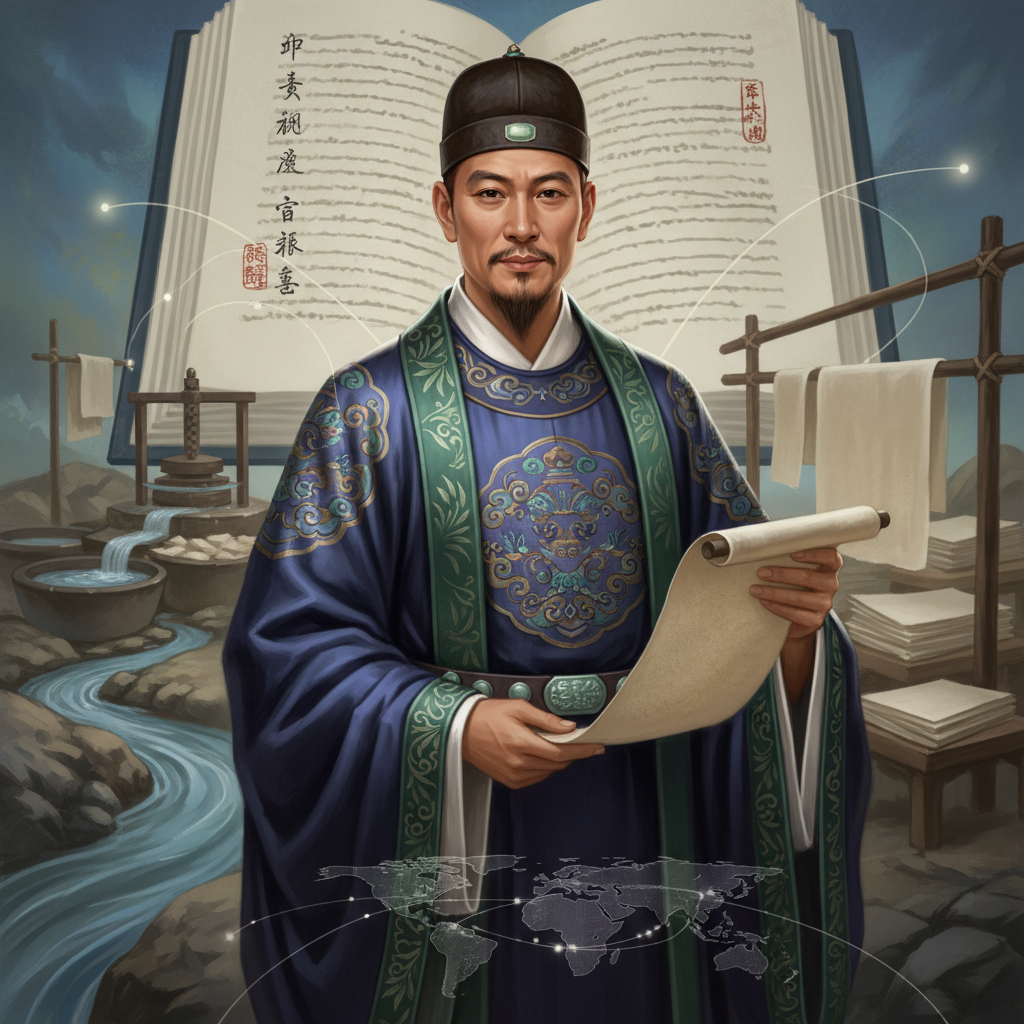
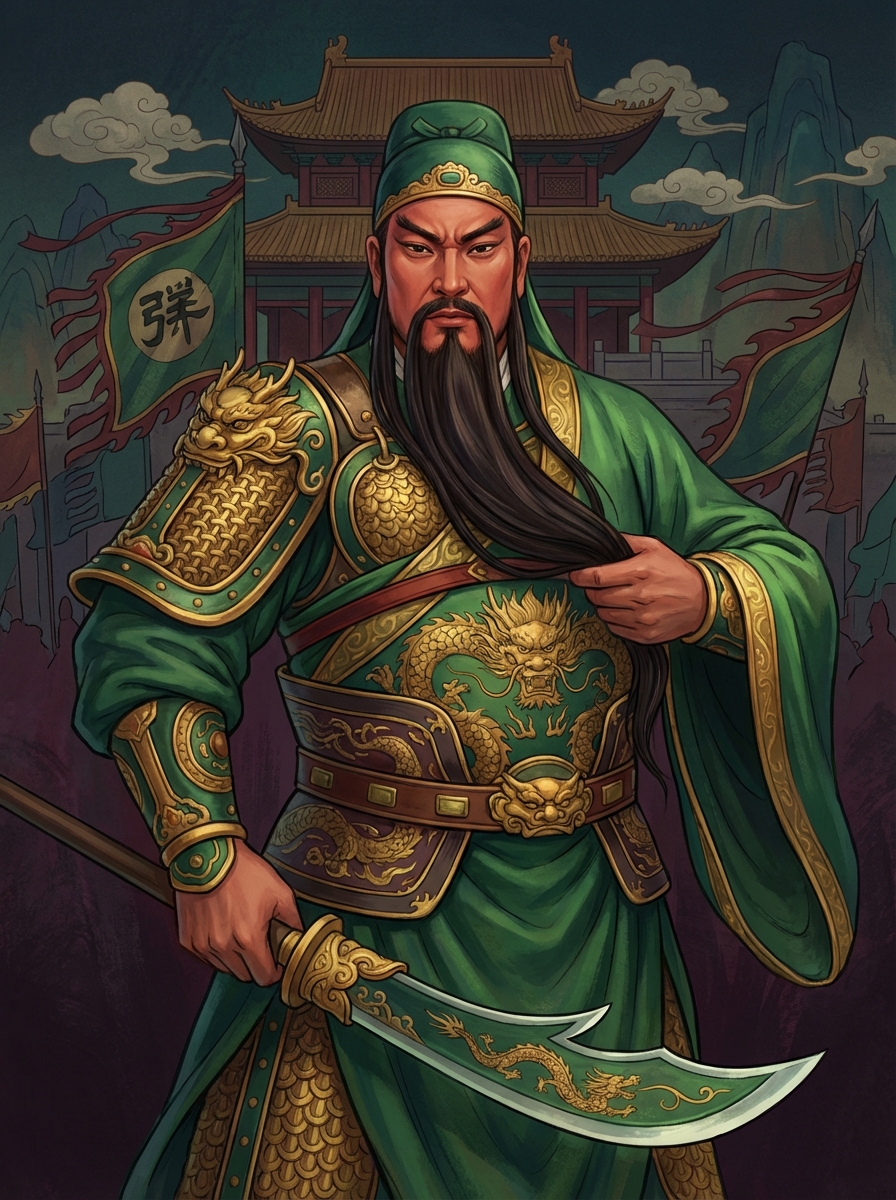
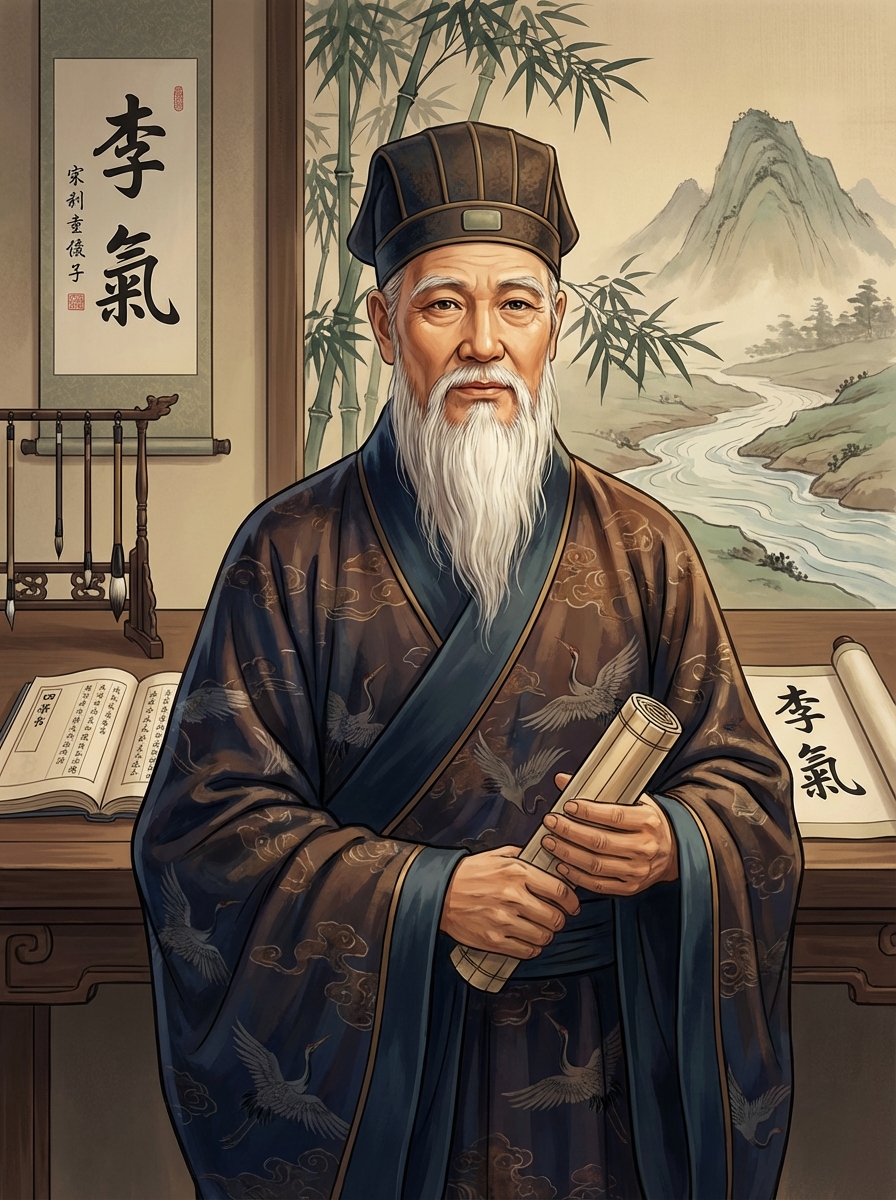
Zhu Xi

Zhu Xi

Neo-Confucian Philosopher

Zhu Xi was the towering intellect of the Song Dynasty whose synthesis of Neo-Confucian thought shaped Chinese philosophy and statecraft for over eight centuries. As the architect of the 'Four Books' curriculum, he redefined the moral and educational standards of East Asia, emphasizing the investigation of things to understand the universe. His profound dualistic theory of Li (principle) and Qi (vital force) bridged the gap between cosmology and human ethics.

Explore Zhu Xi’s profile