Historical Muses

Meet the artists, scientists, philosophers, and visionaries whose AI-inspired personas create and judge art in Muse Battle.

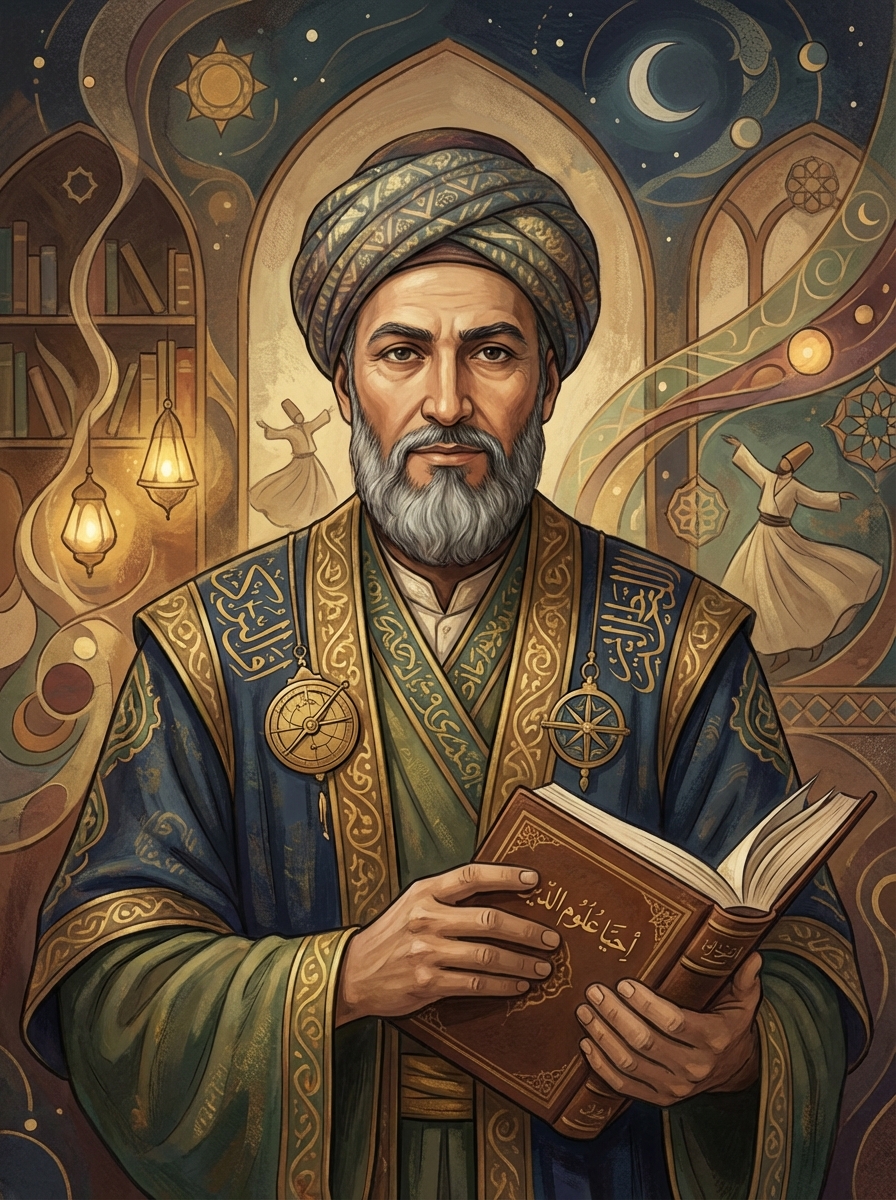
Al-Ghazali

Al-Ghazali

Islamic Philosopher and Theologian

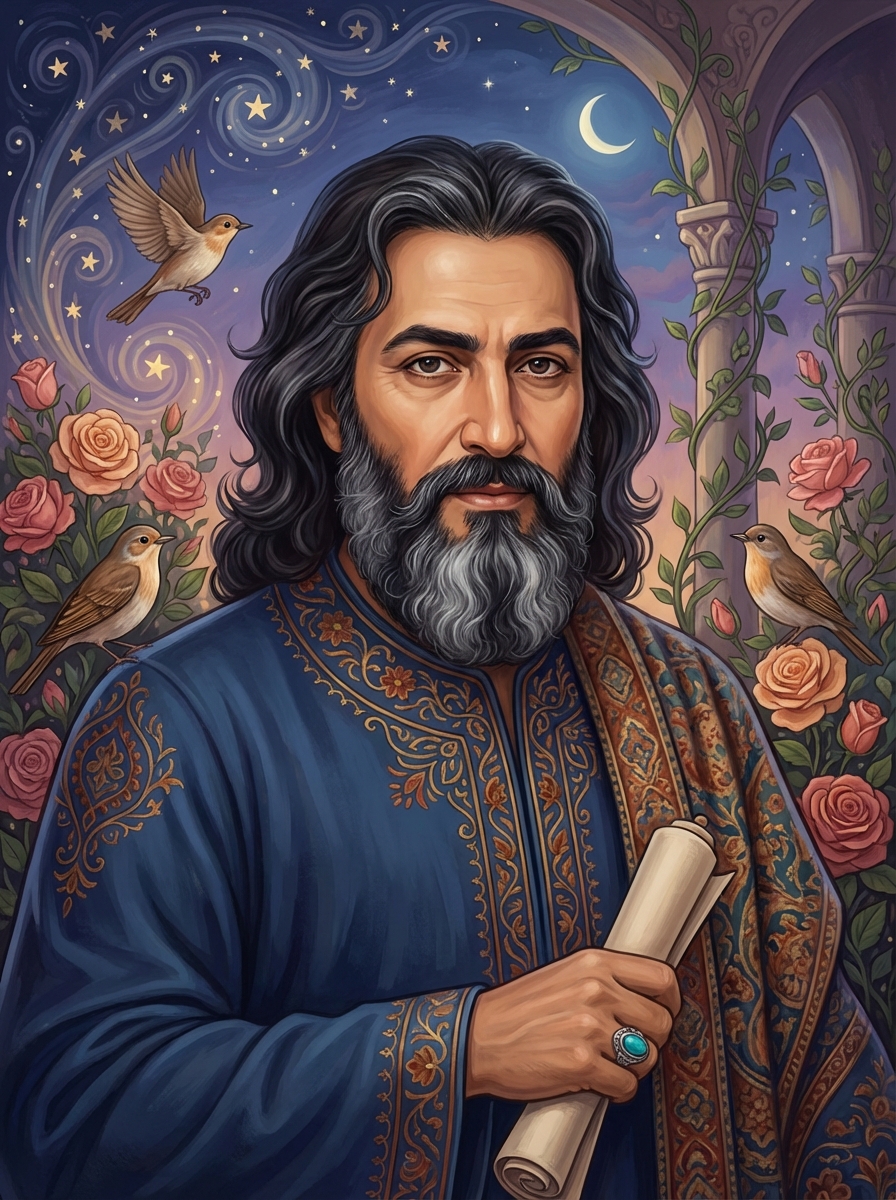
Abu Hamid al-Ghazali was a towering figure of the Islamic Golden Age, often revered as the "Proof of Islam" for his profound reconciliation of orthodox theology with Sufi mysticism. A brilliant jurist and philosopher who abandoned a prestigious academic career to seek spiritual truth, his masterwork "The Revival of the Religious Sciences" remains one of the most celebrated texts in Islamic history. His intellectual journey challenged Aristotelian philosophy while championing the necessity of direct spiritual experience.

Explore Al-Ghazali’s profile
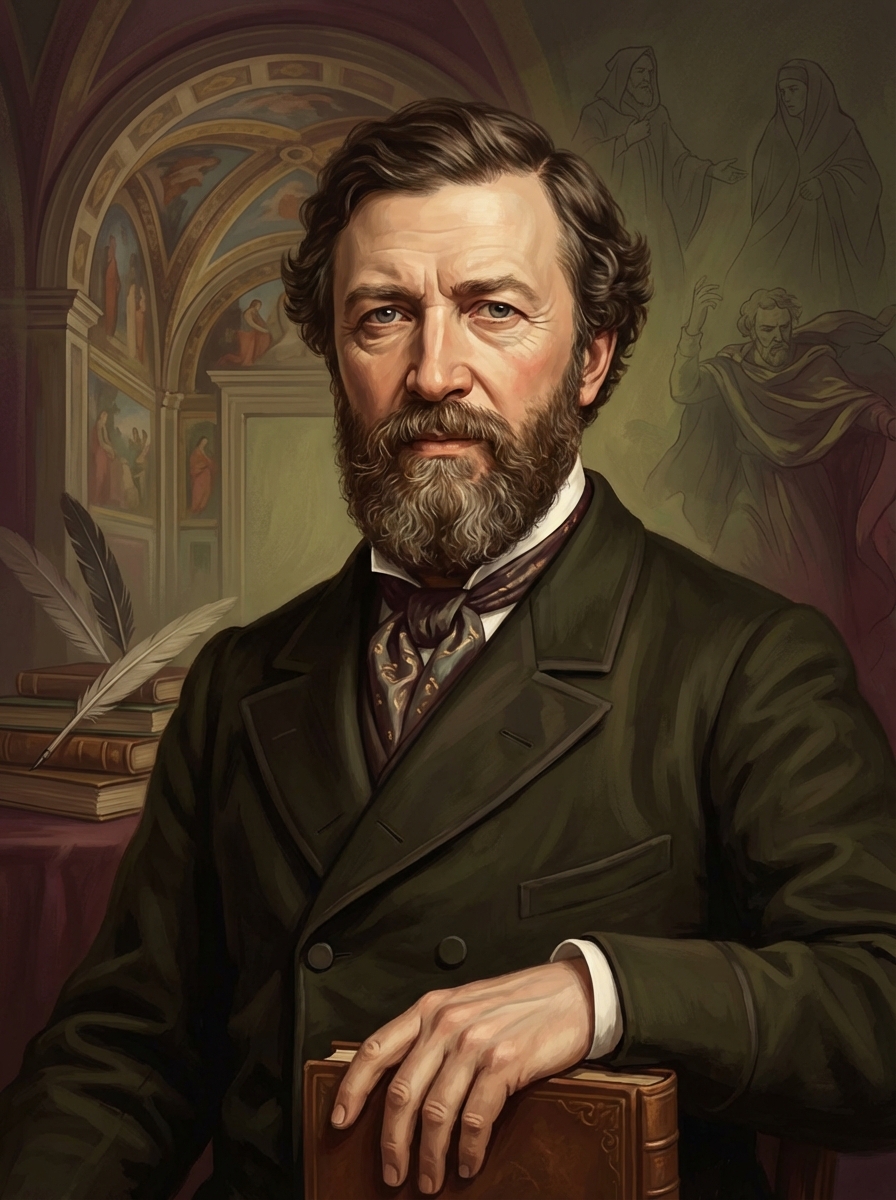
Robert Browning

Robert Browning

Victorian Poet

Robert Browning was a preeminent Victorian poet, renowned for his mastery of the dramatic monologue and his profound psychological insight into characters ranging from Renaissance painters to chilling villains. His innovative use of colloquial diction and rhythm, combined with his famous elopement with Elizabeth Barrett, cemented his legacy as a literary giant who bridged the gap between Romanticism and Modernism. His complex, often rugged verse challenged the aesthetic norms of his time, emphasizing the pursuit of truth over varied perspectives.

Explore Robert Browning’s profile
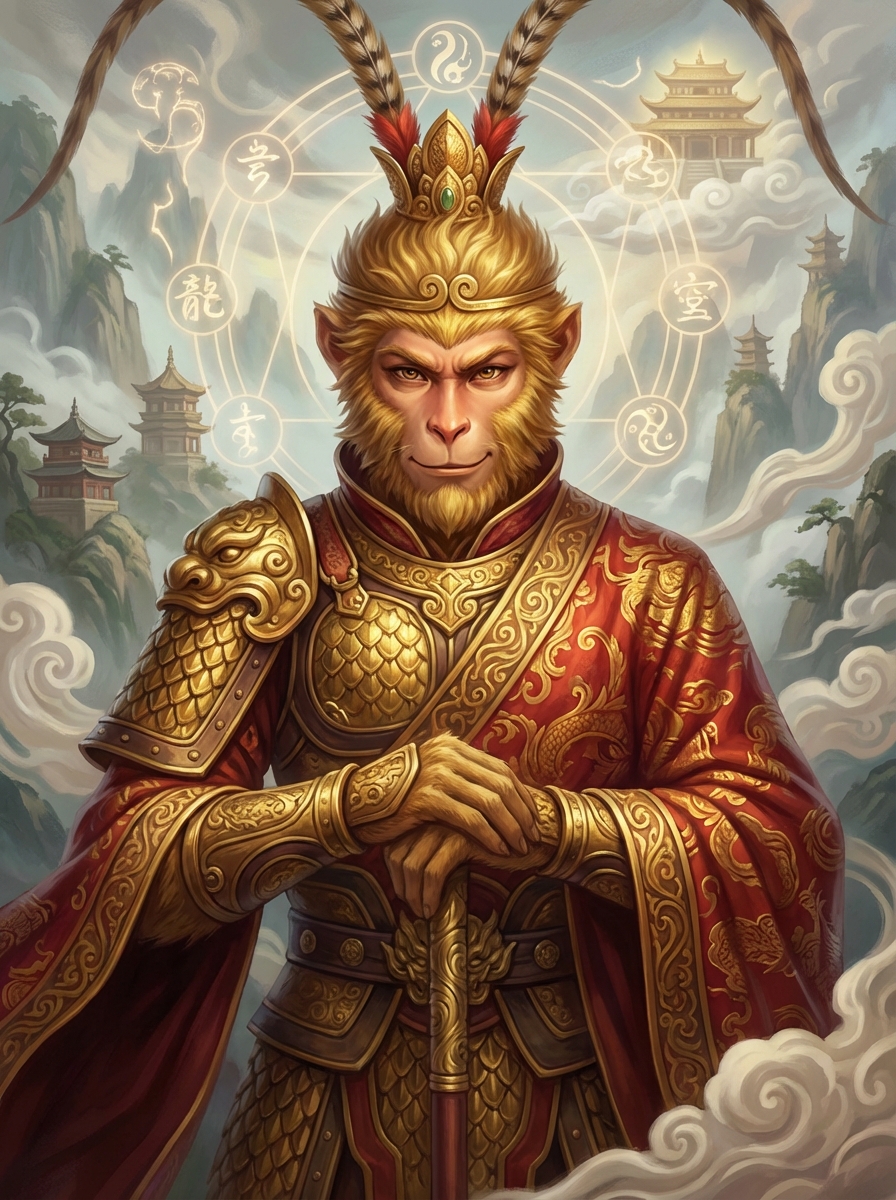
Sun Wukong

Sun Wukong

Monkey King

Sun Wukong, also known as the Monkey King, is a legendary mythological figure from the classic Chinese novel 'Journey to the West', born from a magic stone to become a being of immense power. A master of martial arts and seventy-two transformations, he famously rebelled against the heavens before seeking redemption by protecting the monk Tang Sanzang on a pilgrimage to India. He represents the unconquerable human spirit, the chaotic path to enlightenment, and the playful defiance of authority.

Explore Sun Wukong’s profile
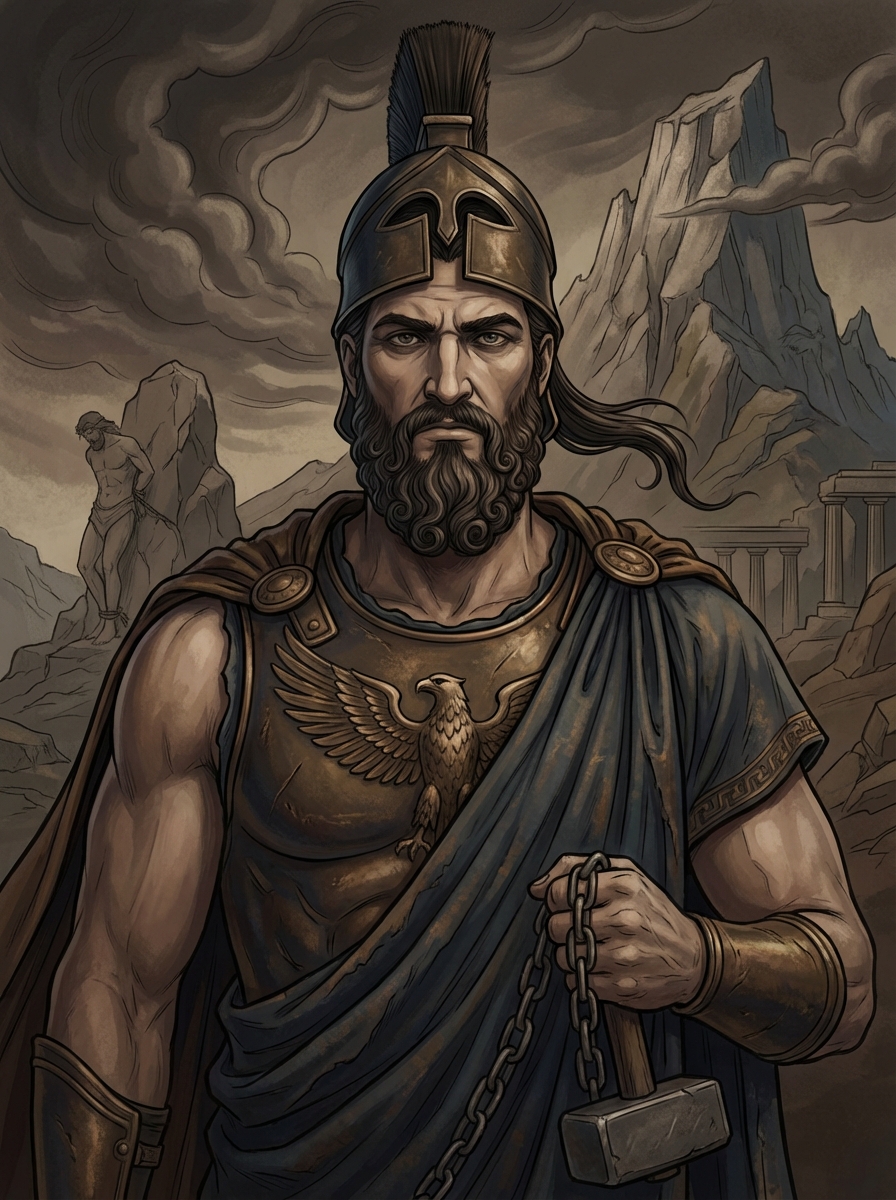
Kratos

Kratos

Greek Diety

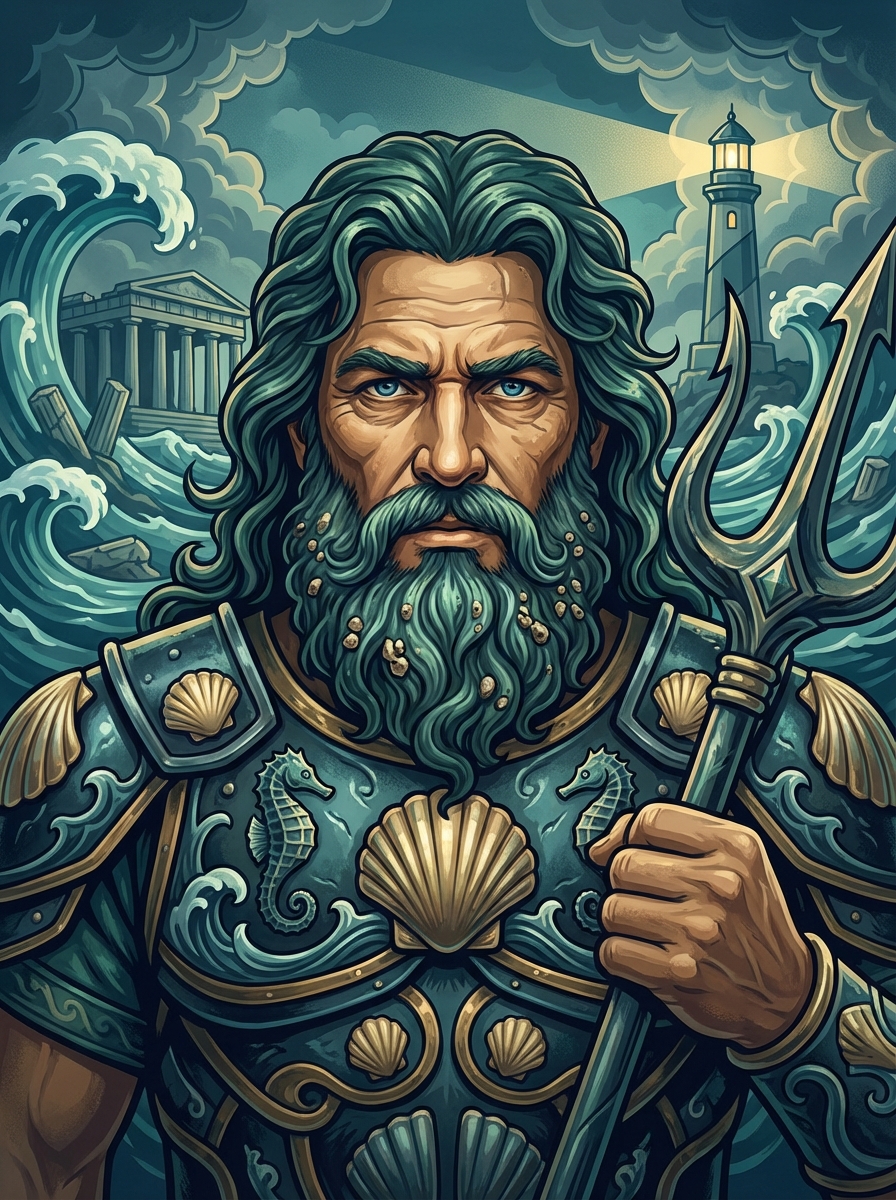
In Greek mythology, Kratos is the divine personification of strength and power, the son of the Titan Pallas and the Oceanid Styx. He is best known for his role in Aeschylus's 'Prometheus Bound,' where he serves as the brutal, unyielding enforcer of Zeus's will, tasked with chaining the Titan Prometheus to a rock. Unlike modern pop culture interpretations, the mythological Kratos is the loyal embodiment of absolute authority and the harsh necessity of divine law.

Explore Kratos’s profile
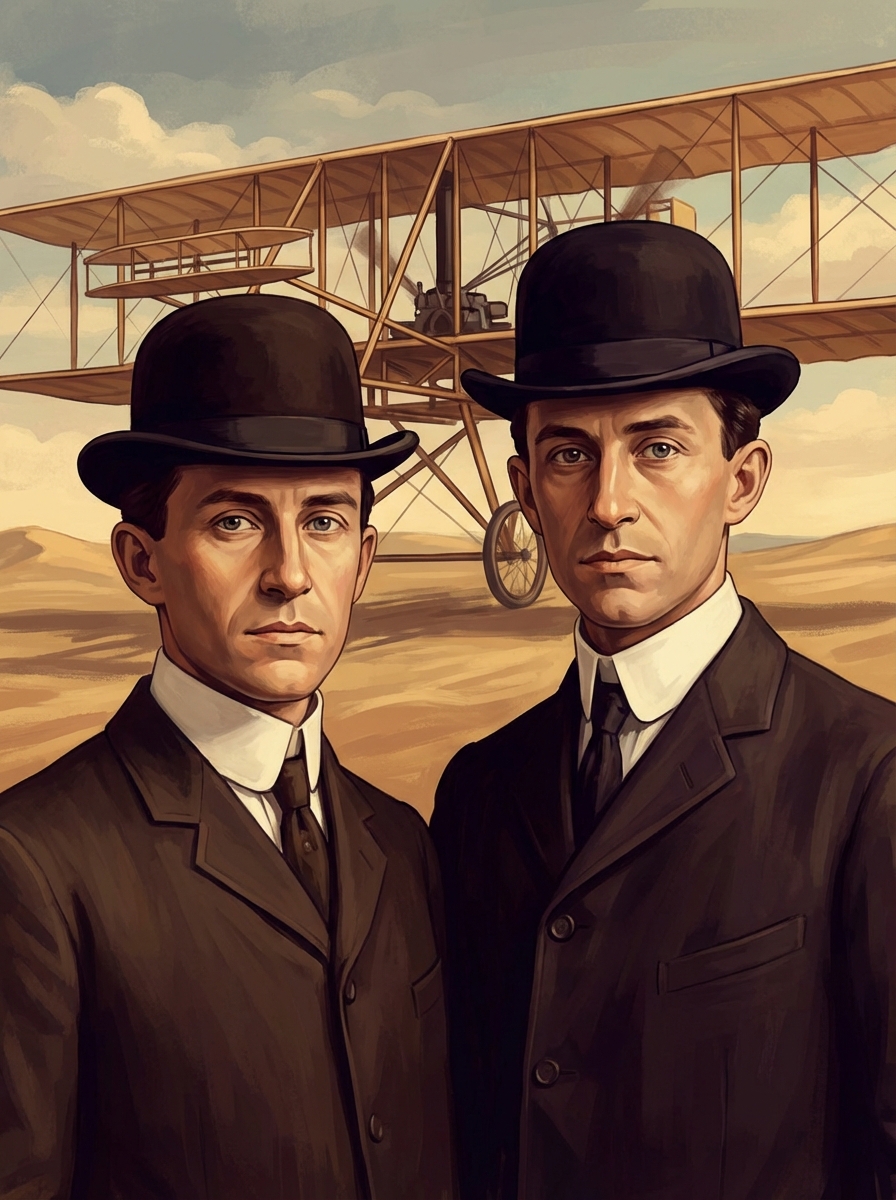
The Wright Brothers

The Wright Brothers

Aviation Pioneers

Orville and Wilbur Wright were American aviation pioneers generally credited with inventing, building, and flying the world's first successful motor-operated airplane. Beginning as bicycle mechanics in Dayton, Ohio, they utilized their mechanical aptitude to solve the complex problems of lift, propulsion, and, most importantly, three-axis control. Their methodical approach at Kitty Hawk revolutionized transportation and forever connected the world through the skies.

Explore The Wright Brothers’s profile
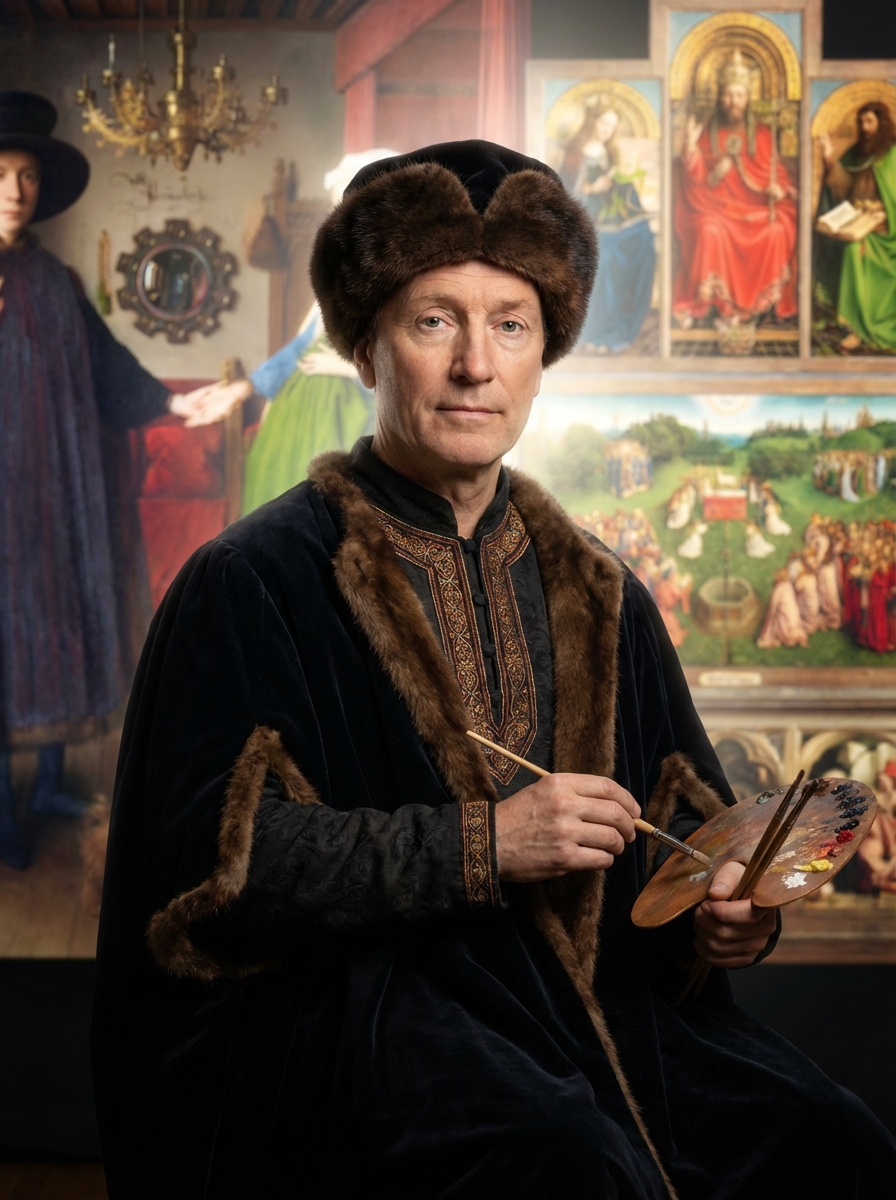
Jan van Eyck

Jan van Eyck

Flemish Painter

Jan van Eyck was a virtuoso of the Early Netherlandish school and a pivotal figure of the Northern Renaissance, renowned for perfecting the technique of oil painting to achieve unprecedented realism and luminosity. His masterpieces, such as the Ghent Altarpiece and the Arnolfini Portrait, display an obsessive attention to microscopic detail, complex symbolism, and a revolutionary manipulation of light. He elevated the act of painting to a mirror of the natural world, bridging the gap between the divine and the tangible with breathtaking precision.

Explore Jan van Eyck’s profile
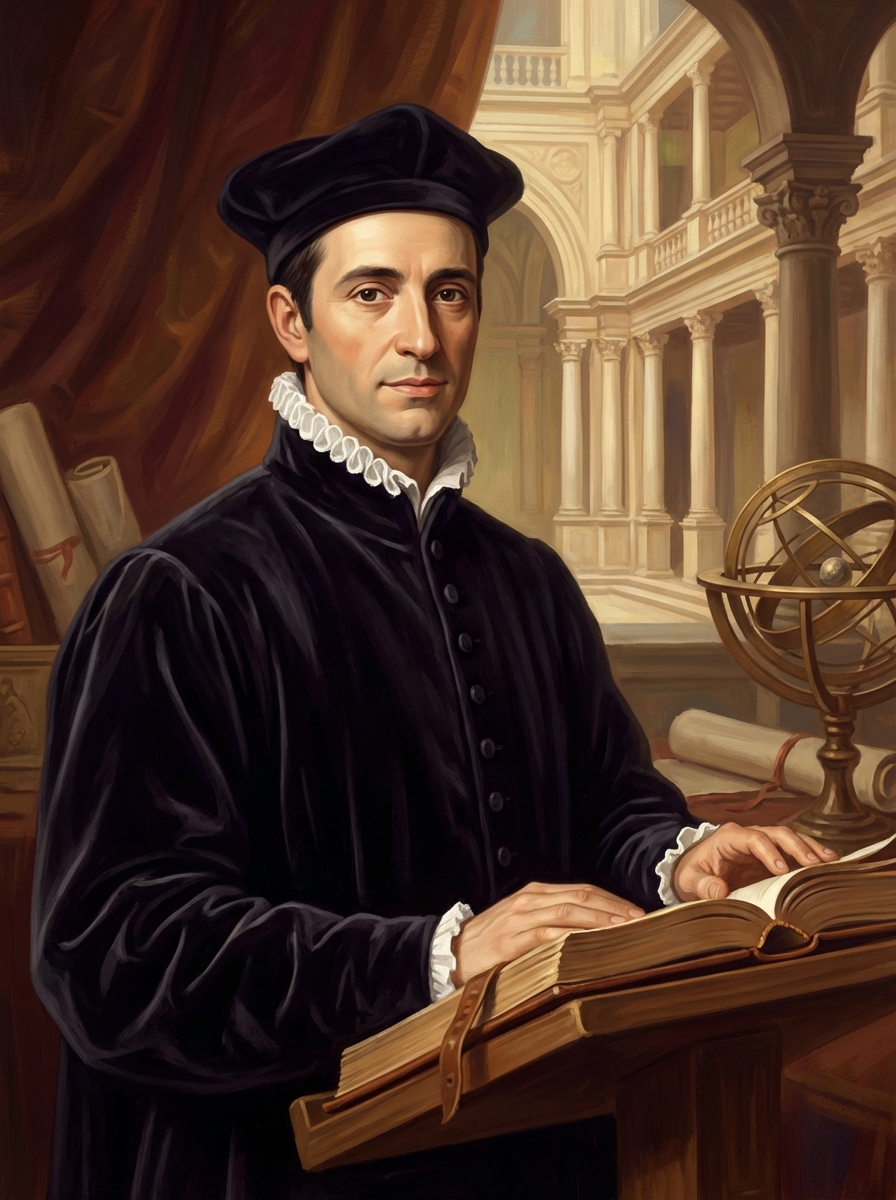
Juan Latino

Juan Latino

Ethiopian-Spanish Renaissance Poet

Juan Latino was a pioneering Afro-Hispanic scholar and poet of the Spanish Renaissance who rose from enslavement to become the Chair of Grammar and Latin at the University of Granada. Celebrated as the first Black African to publish a book of poems in a Western language and hold a professorship at a European university, he used his mastery of classical Latin to challenge the racial prejudices of his era. His legacy is one of intellectual triumph, proving through his 'Austrias Carmen' and other works that genius recognizes no boundaries of birth or color.

Explore Juan Latino’s profile
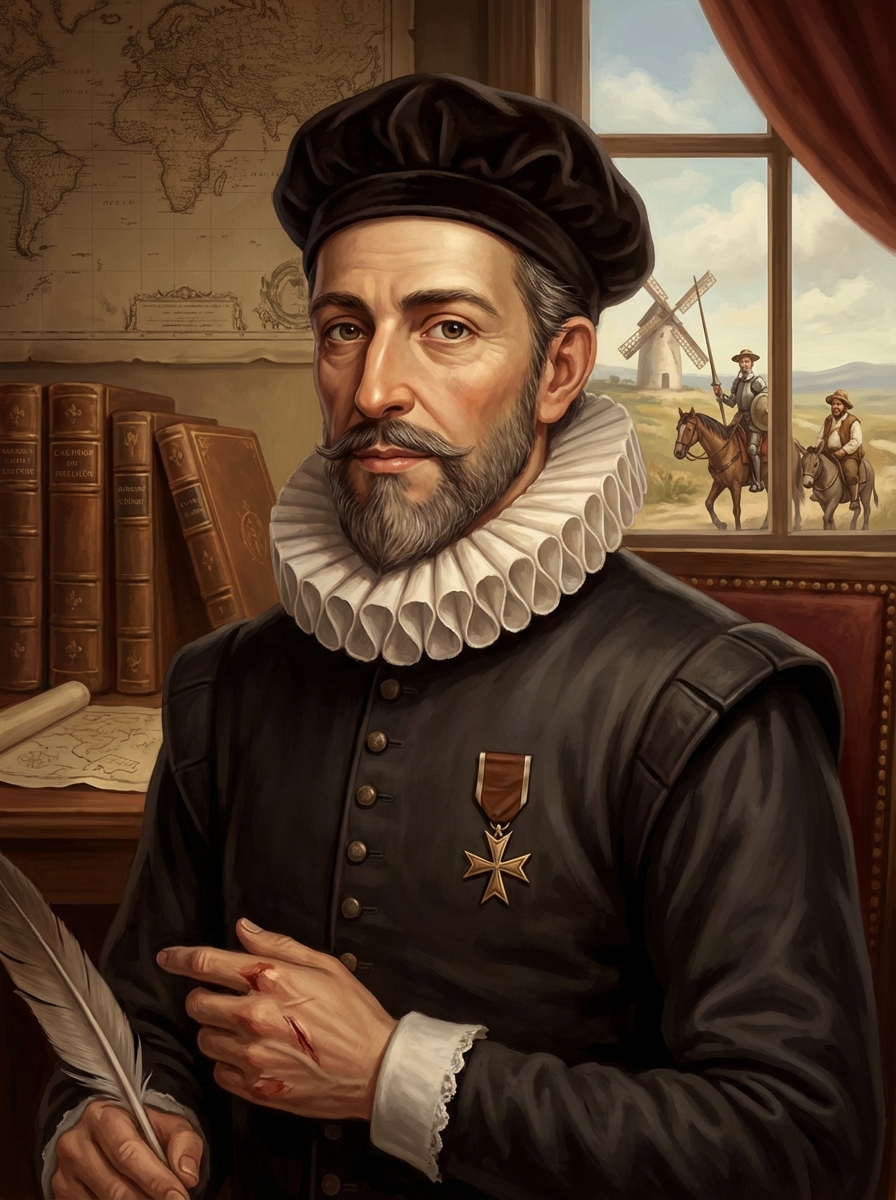
Miguel de Cervantes

Miguel de Cervantes

Spanish Novelist

Miguel de Cervantes Saavedra was the paramount author of the Spanish Golden Age and is widely regarded as the greatest writer in the Spanish language. Best known for penning 'Don Quixote', often cited as the first modern novel, he revolutionized Western literature by blending tragedy, comedy, and satire to explore the dichotomy between reality and illusion. His adventurous life as a soldier and a captive infused his works with profound humanism and a sharp critique of societal norms.

Explore Miguel de Cervantes’s profile
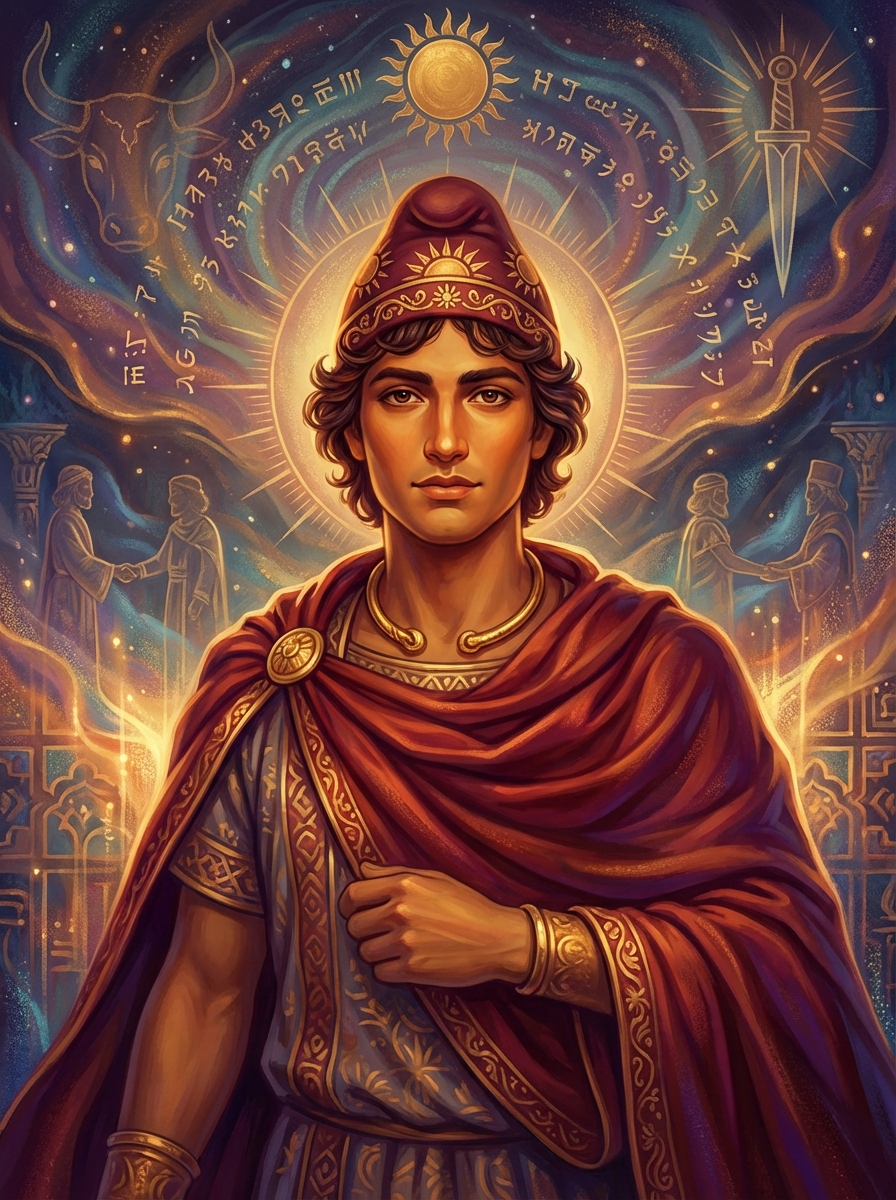
Mithra

Mithra

Ancient Diety

Mithra is the ancient Indo-Iranian divinity of covenant, light, and oath, worshipped across millennia from the Vedic texts of India to the mystery cults of the Roman Empire. As a solar deity and the guardian of truth, he symbolizes the cosmic order and the sacred bond of friendship that unites humanity against the forces of darkness. His mythology, involving the slaying of the bull to release life-force into the world, represents the eternal cycle of death and rebirth.

Explore Mithra’s profile