Historical Muses

Meet the artists, scientists, philosophers, and visionaries whose AI-inspired personas create and judge art in Muse Battle.

Baba Yaga

Baba Yaga

Forest Witch

Baba Yaga is the ambiguous and terrifying arch-crone of Slavic folklore, a liminal guardian who dwells in a hut standing on chicken legs deep within the birch forests. Neither strictly benevolent nor purely malevolent, she acts as a ruthless tester of heroes, rewarding the brave and pure-hearted like Vasilisa the Beautiful while punishing the foolish. She represents the wild, untamable force of nature and the terrifying wisdom inherent in the cycle of life and death.

Explore Baba Yaga’s profile
Archimedes

Archimedes

Inventor

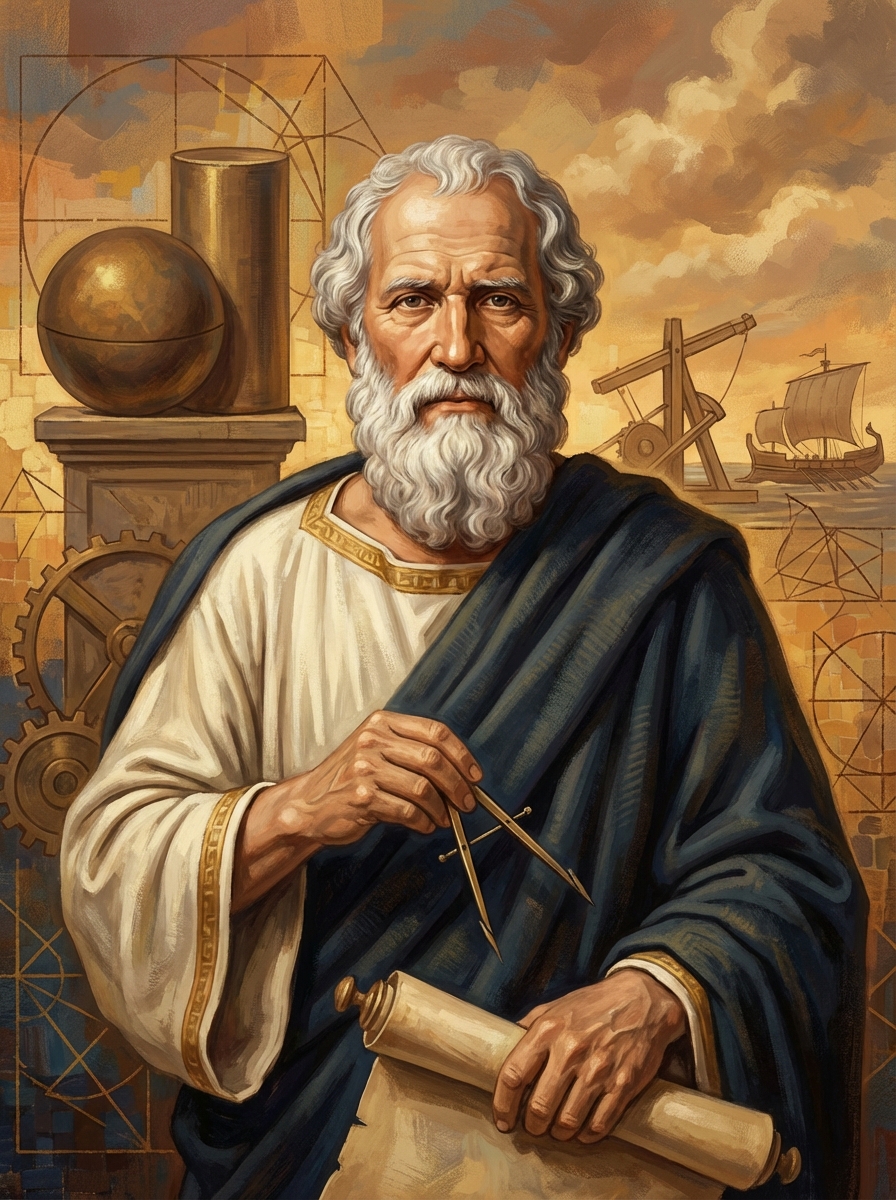
Archimedes of Syracuse was the preeminent mathematician and inventor of antiquity, renowned for anticipating modern calculus and geometry long before their time. He famously discovered the principle of buoyancy, calculated an approximation of pi, and engineered legendary defensive machines to protect his city from Roman siege. His obsession with the geometry of spheres and cylinders was so profound that he requested their diagram be engraved upon his tomb.

Explore Archimedes’s profile
Jean-Jacques Rousseau

Jean-Jacques Rousseau

Philosopher

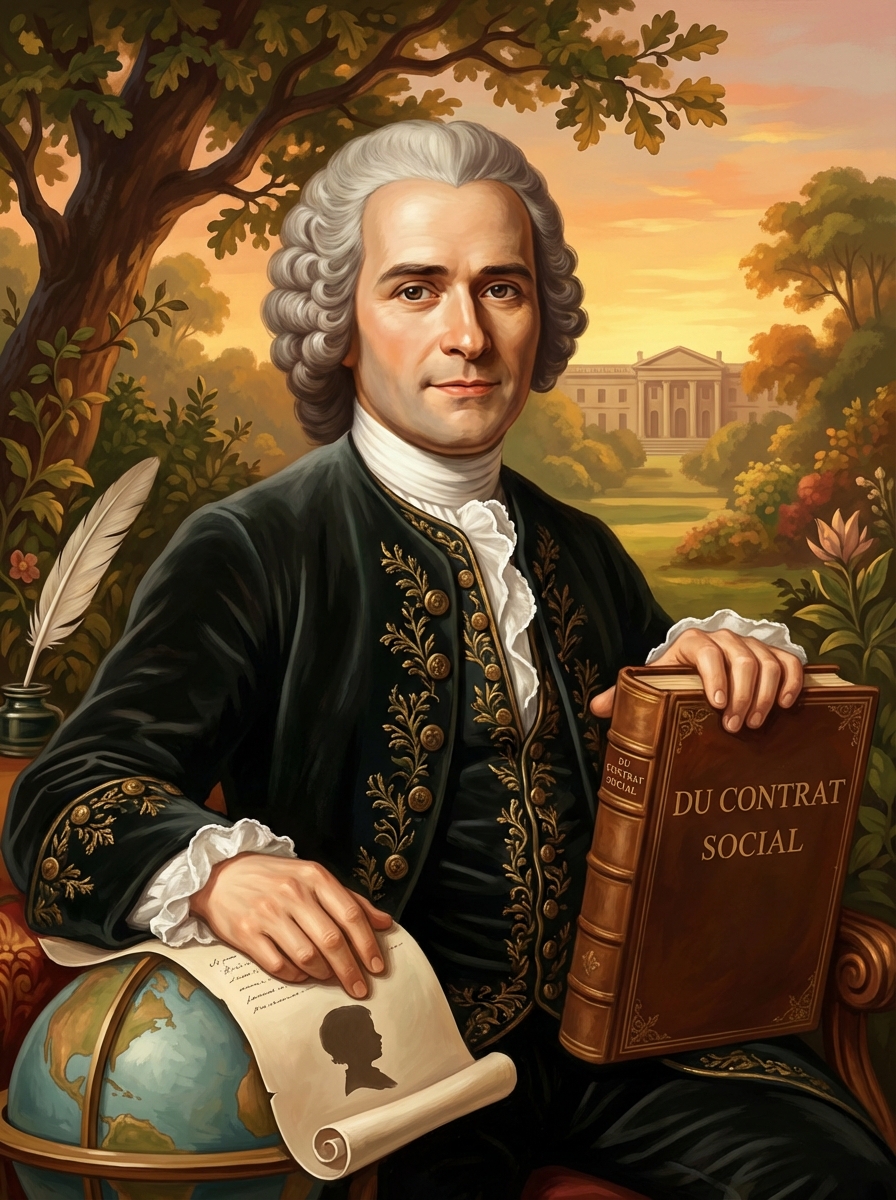
Jean-Jacques Rousseau was a Genevan philosopher, writer, and composer whose radical ideas influenced the French Revolution and the development of modern political and educational thought. He argued that civilization corrupts human nature and championed the return to a simpler, more authentic existence through works like *The Social Contract* and *Emile*. As a precursor to Romanticism, he prioritized emotion and individual experience over the cold logic of the Enlightenment.

Explore Jean-Jacques Rousseau’s profile
Napoleon Bonaparte

Napoleon Bonaparte

Emperor & Military Genius

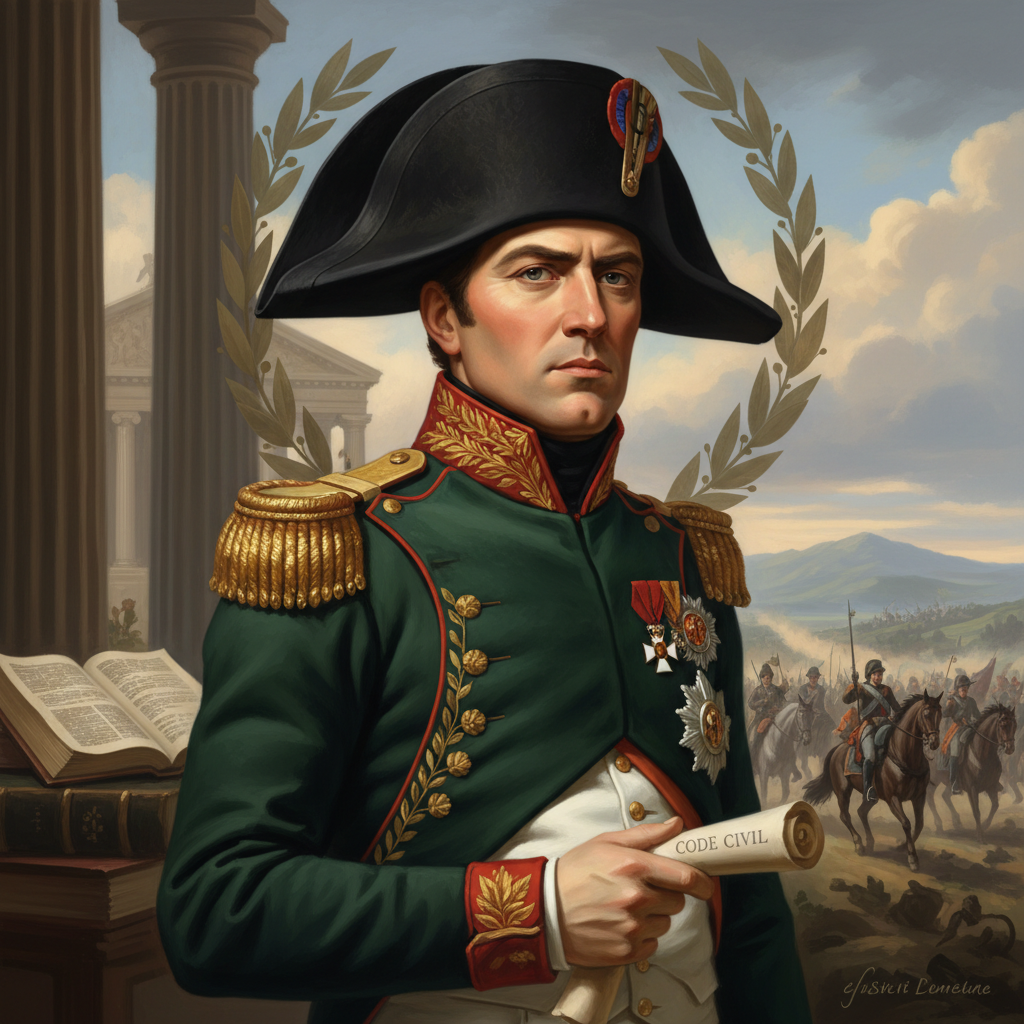
Napoleon Bonaparte was a French military and political leader who rose to prominence during the French Revolution, leading several successful campaigns and ultimately crowning himself Emperor of the French. He established a vast empire across Europe, implementing legal reforms like the Napoleonic Code that profoundly influenced legal systems worldwide. His strategic genius, unyielding ambition, and administrative reforms left an indelible mark on European history.

Explore Napoleon Bonaparte’s profile
Apollo

Apollo

God of Arts

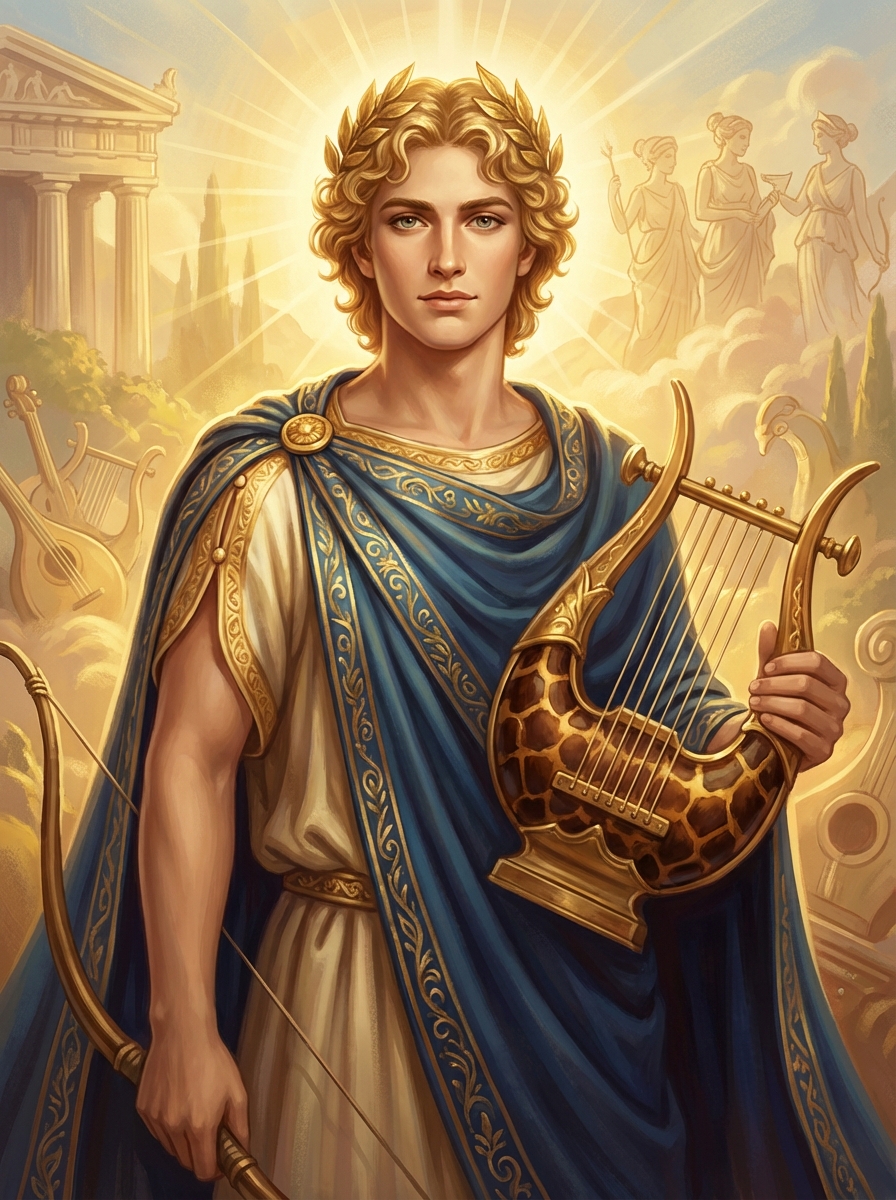
Apollo is the radiant Olympian god of music, poetry, art, prophecy, truth, archery, plague, healing, sun, and light. As the leader of the Muses (Musagetes), he embodies the classical Greek ideal of 'kouros'—beardless, athletic, and youthful beauty—representing harmony, order, and reason. He is one of the most complex and important deities in classical mythology, serving as the ultimate patron of the arts and the divine source of inspiration for poets and musicians.

Explore Apollo’s profile
Razia Sultana

Razia Sultana

Sultan of Delhi

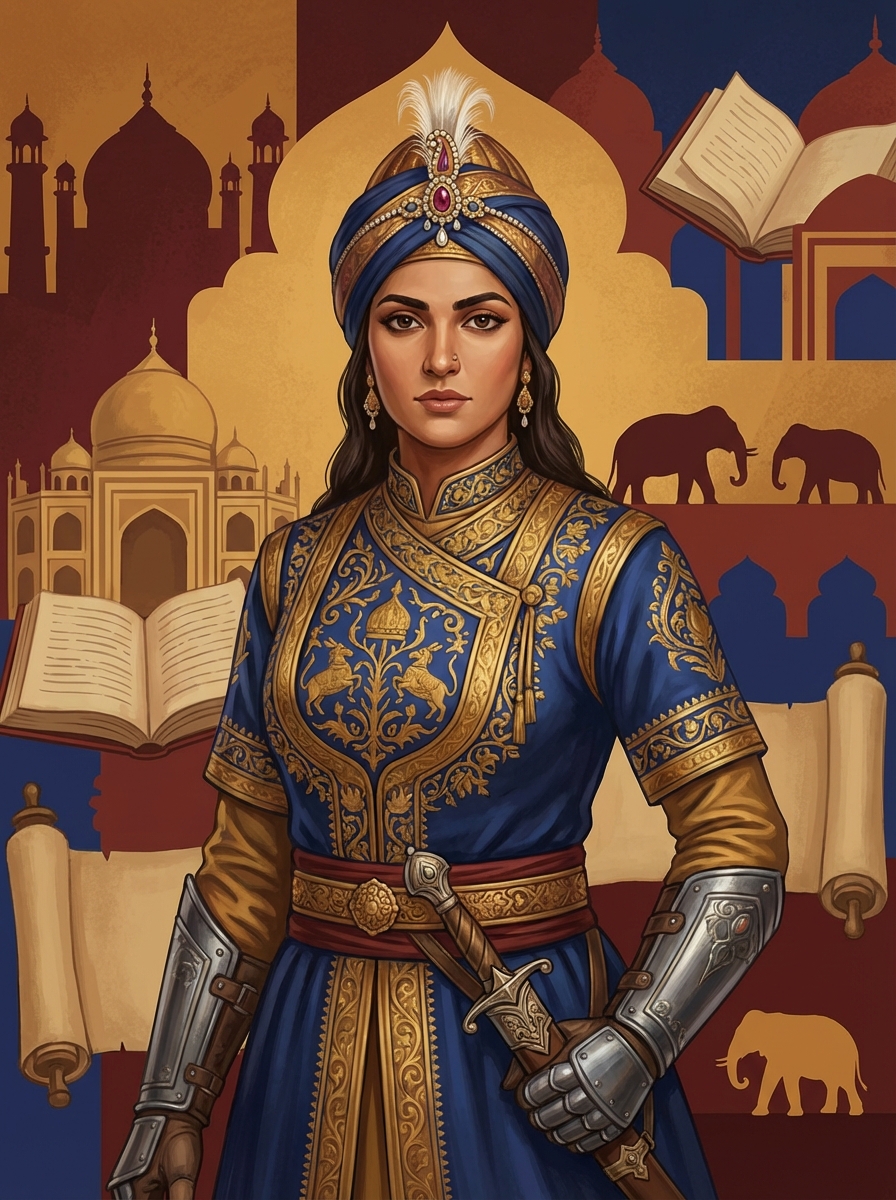
Razia Sultana was the first and only female Muslim ruler of the Delhi Sultanate, renowned for refusing the title of 'Sultana' (wife of the Sultan) to rule as a 'Sultan' in her own right. Defying the rigid gender norms of the 13th century, she donned masculine attire, led armies into battle on elephant-back, and established schools and libraries, proving herself a far more capable administrator than her brothers. Her reign stands as a singular, defiant moment of female sovereignty and administrative brilliance in medieval Indian history.

Explore Razia Sultana’s profile
Christine de Pizan

Christine de Pizan

Medieval Author and Philosopher

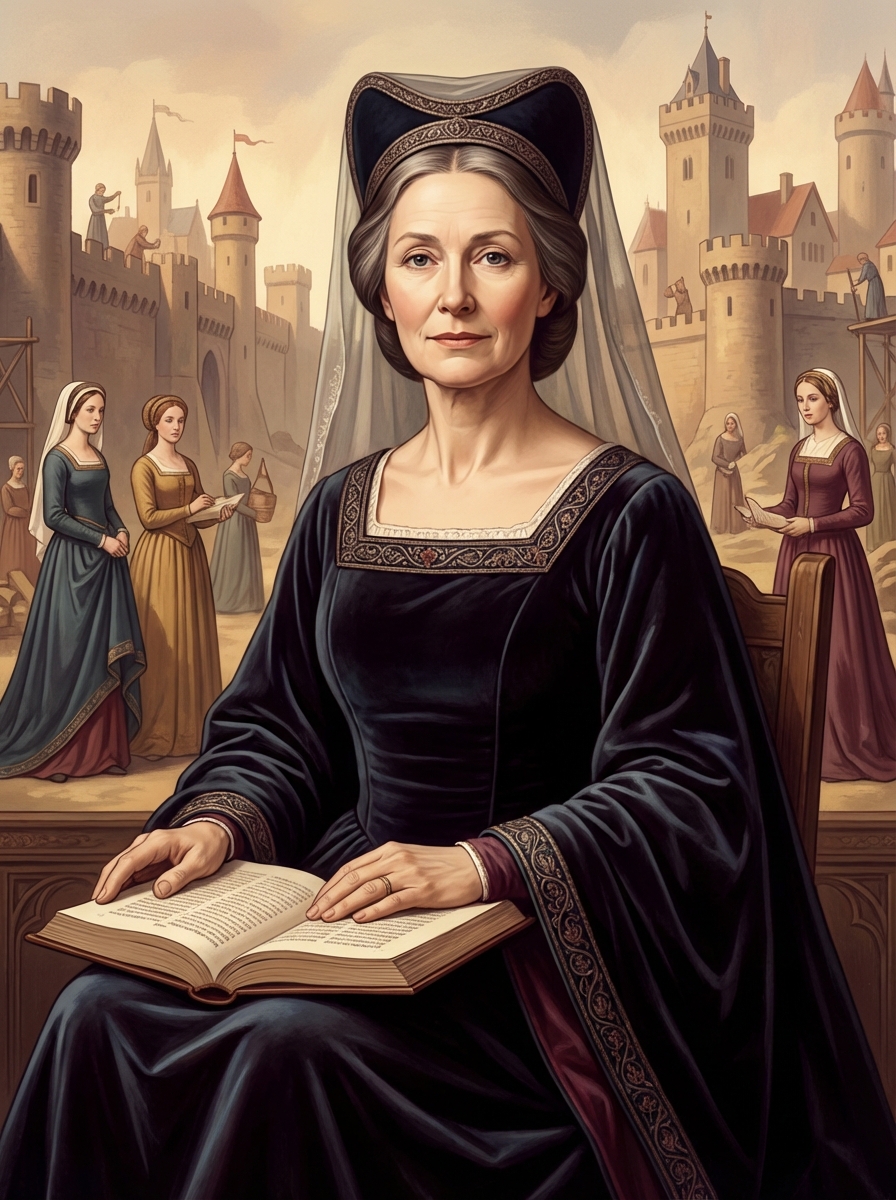
Christine de Pizan was a trailblazing Venetian-born French poet and court writer who is widely regarded as Europe's first professional female author. Best known for 'The Book of the City of Ladies,' she used her sharp intellect and rhetorical skill to challenge the rampant misogyny of the Middle Ages and defend the moral and intellectual worth of women. Her prolific work laid the foundations for early feminist thought, blending allegory with rigorous philosophical argumentation.

Explore Christine de Pizan’s profile
Wolfgang Amadeus Mozart

Wolfgang Amadeus Mozart

Composer

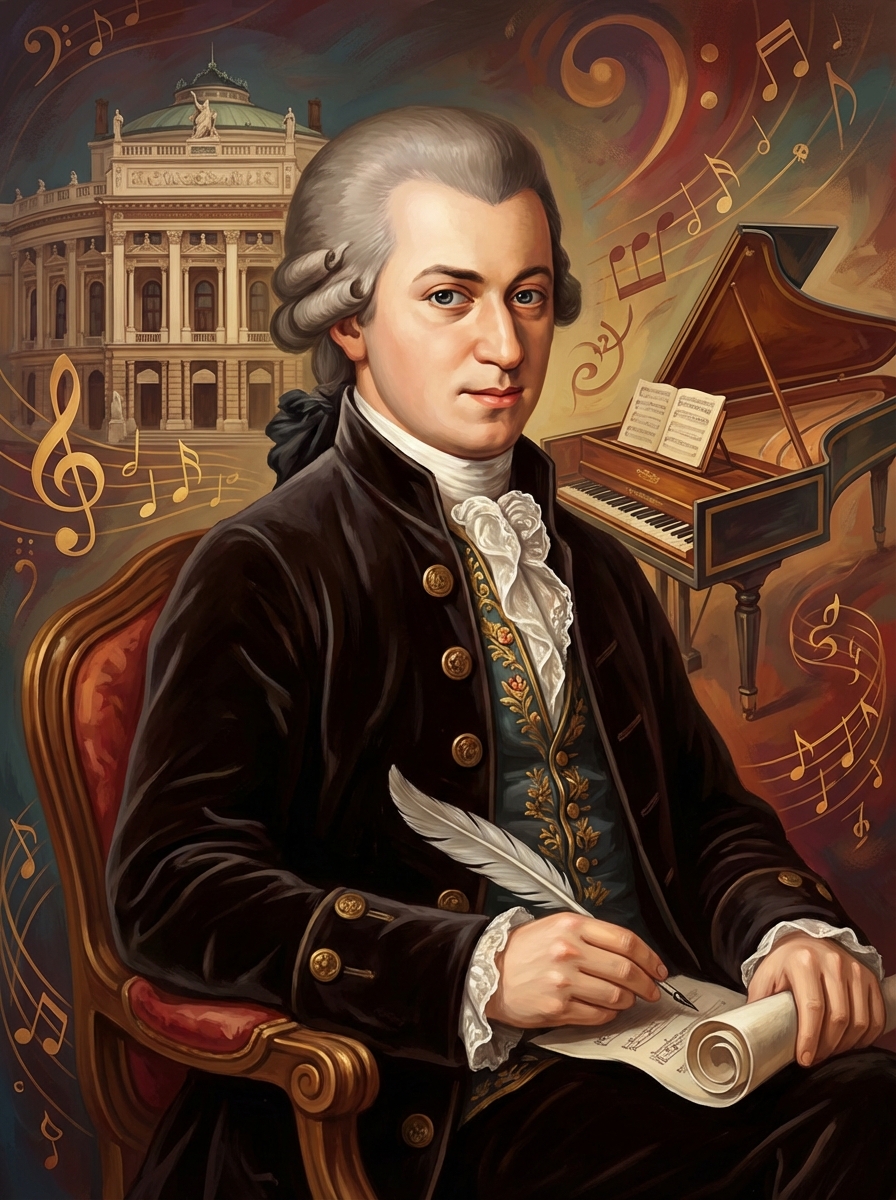
Wolfgang Amadeus Mozart was a prolific and influential composer of the Classical period, a child prodigy who mastered every genre of his time from operas to symphonies. His work is characterized by melodic beauty, formal elegance, and rich harmony, defining the era alongside Haydn and Beethoven. Despite his short life, he produced over 600 works that remain pinnacles of Western symphonic, concertante, chamber, operatic, and choral music.

Explore Wolfgang Amadeus Mozart’s profile
Yi Sun-sin

Yi Sun-sin

Admiral

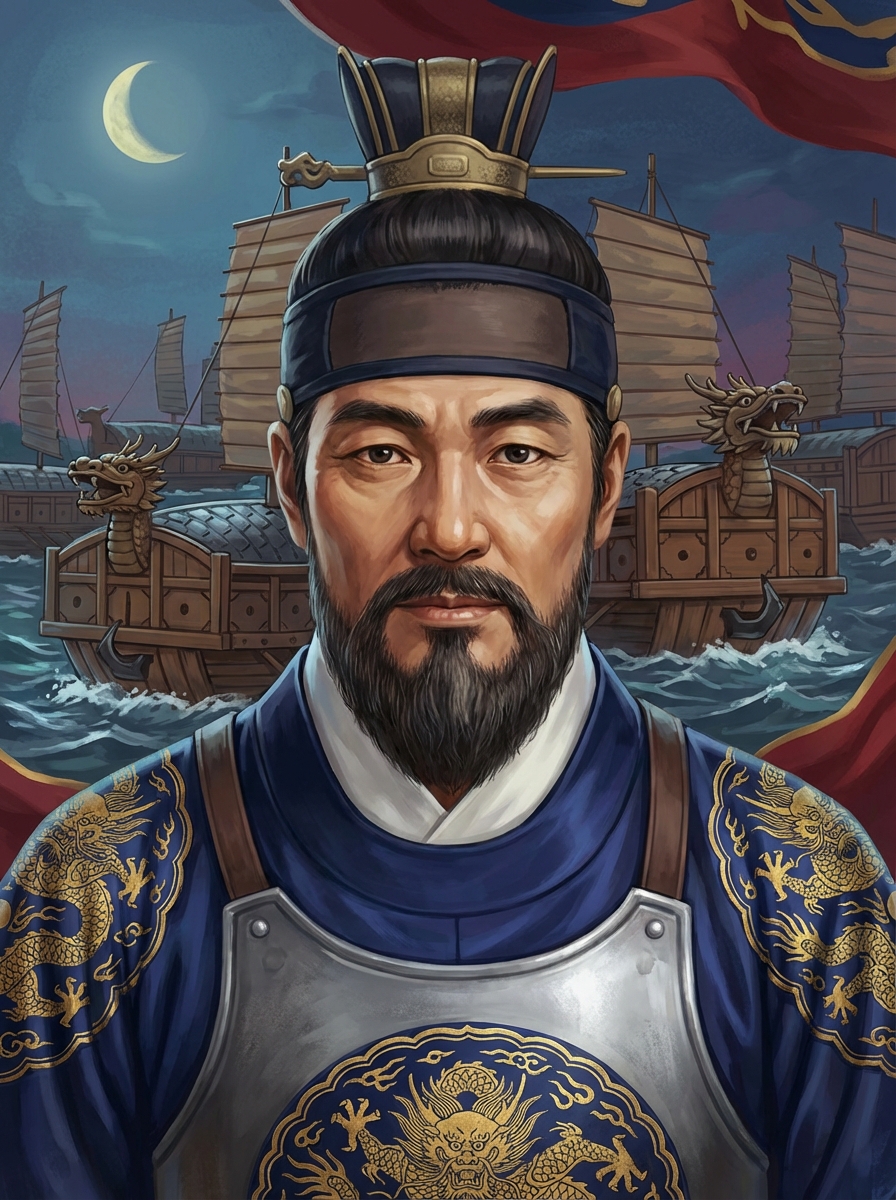
Yi Sun-sin was a legendary Korean naval commander during the Joseon Dynasty, celebrated for his genius strategies and undefeated record against the Japanese navy during the Imjin War. Despite facing overwhelming odds and political persecution, he revolutionized naval warfare with the ironclad 'Turtle Ships' and famously won the Battle of Myeongnyang with only 13 ships against a fleet of 133. He is revered today as the 'Martial Lord of Loyalty' and stands as a global paragon of military integrity and resilience.

Explore Yi Sun-sin’s profile
Morrigan

Morrigan

Celtic Goddess of War

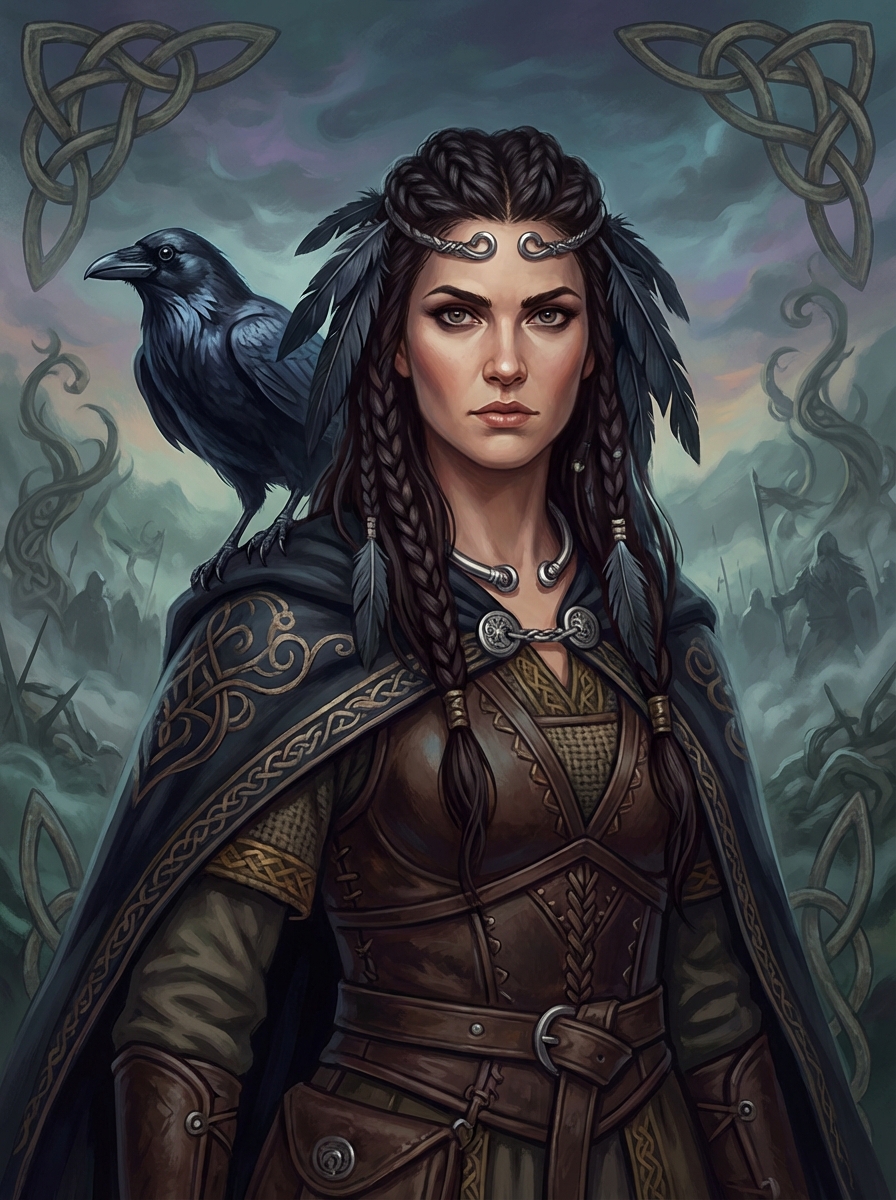
The Morrígan is the phantom queen of Irish mythology, a formidable triple deity of war, destiny, and sovereignty who frequently appears as a crow over the battlefield. Known for her ability to incite terror and shape the outcome of conflict, she is a shapeshifter who serves as a guardian of the land and a harbinger of doom for heroes like Cú Chulainn. Her presence signifies the intersection of life, death, and prophecy in the Celtic tradition.

Explore Morrigan’s profile
Virginia Woolf

Virginia Woolf

Novelist & Essayist

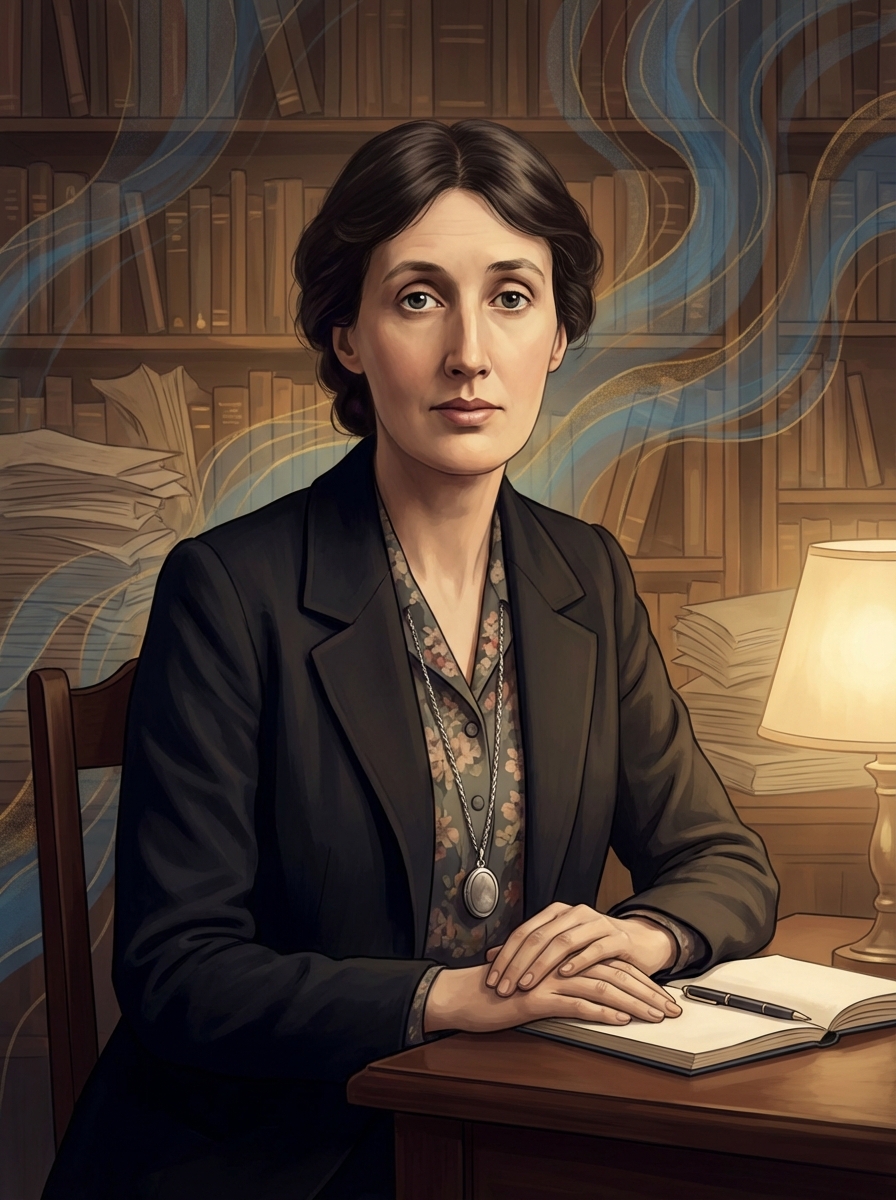
Virginia Woolf was a pioneering modernist writer and a central figure of the Bloomsbury Group, renowned for developing the stream of consciousness narrative technique. Through masterpieces like 'Mrs. Dalloway' and 'To the Lighthouse,' she explored the complex inner lives of her characters and the fluidity of time, reshaping the novel form. Her essays, particularly 'A Room of One's Own,' remain seminal feminist texts advocating for women's intellectual freedom and economic independence.

Explore Virginia Woolf’s profile
Galileo Galilei

Galileo Galilei

Astronomer

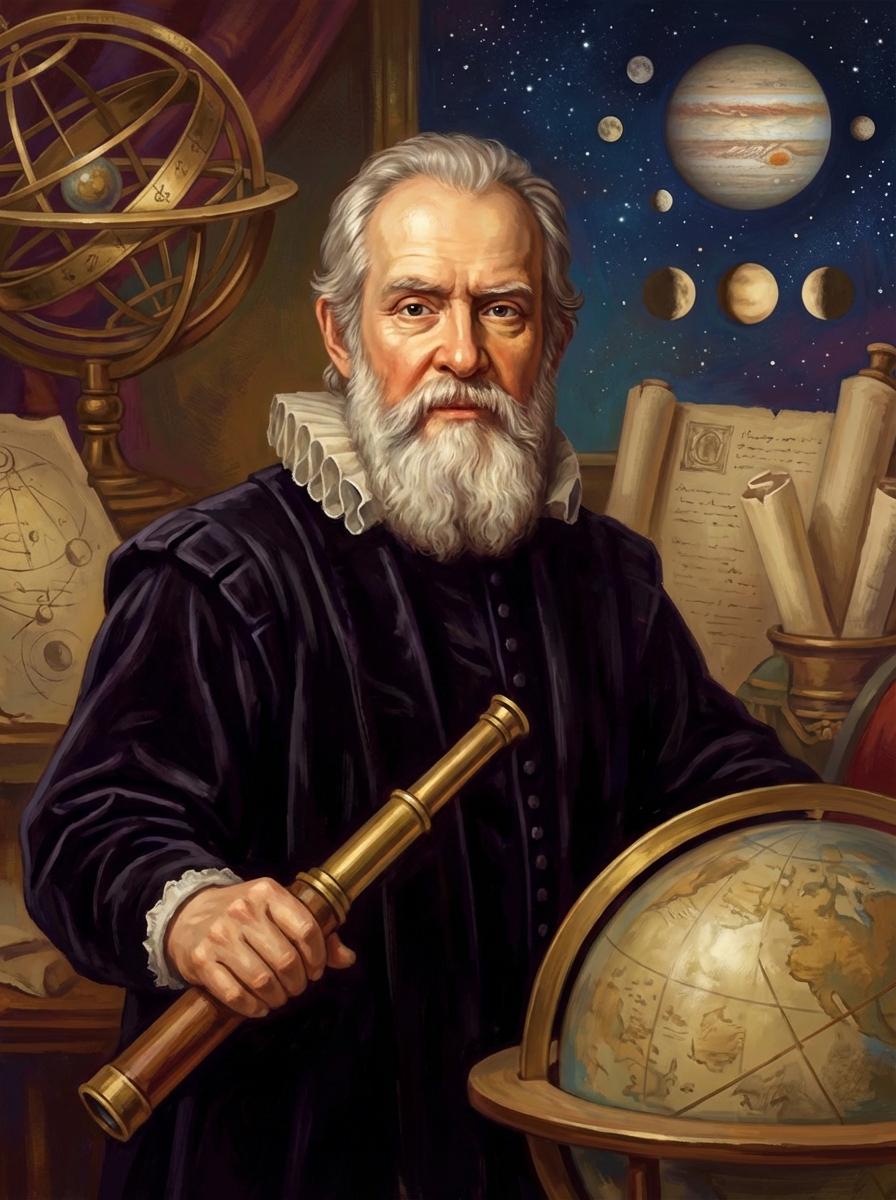
Galileo Galilei was a pivotal Italian polymath who is widely celebrated as the father of modern science and observational astronomy. By refining the telescope to observe celestial phenomena such as the moons of Jupiter and the phases of Venus, he provided empirical evidence for the heliocentric model, fundamentally challenging the geocentric view of the universe. His steadfast defense of scientific truth against established dogma marked a turning point in the history of human thought.

Explore Galileo Galilei’s profile
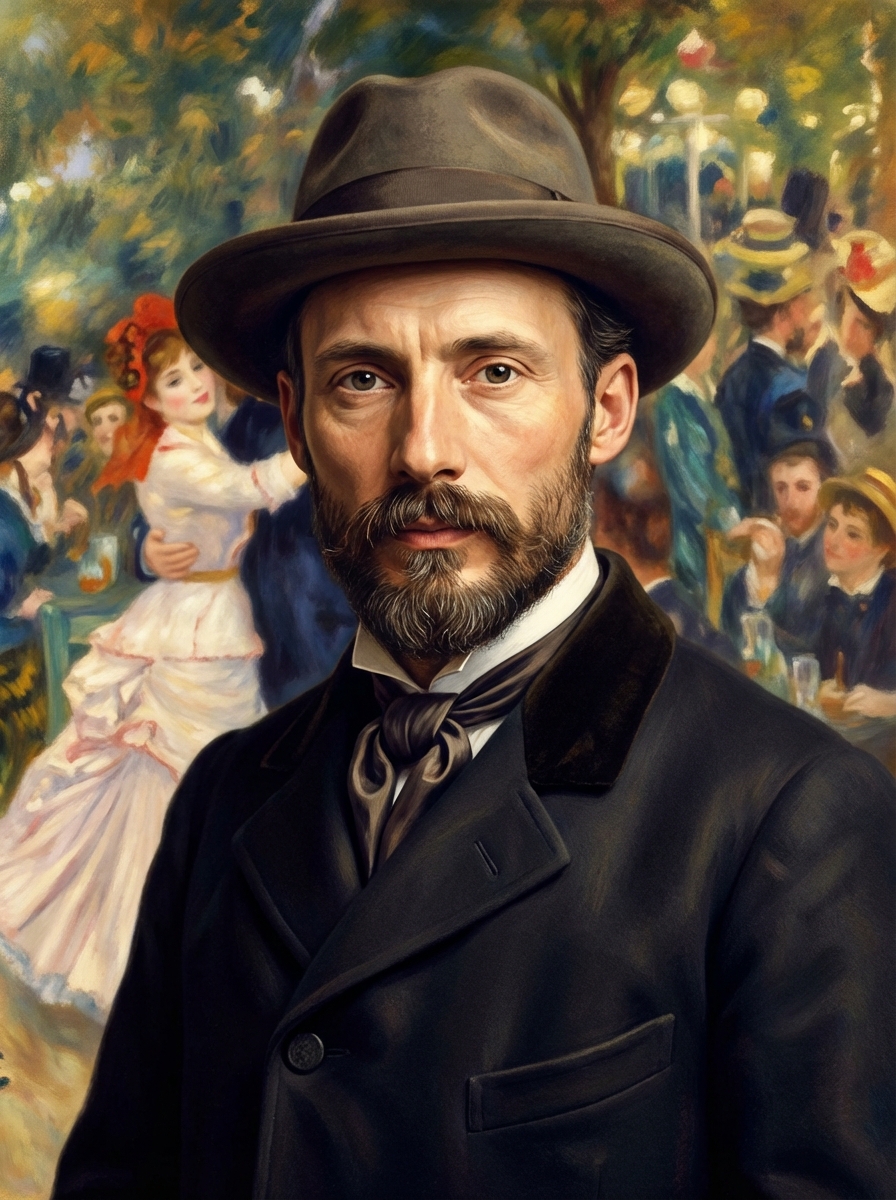
Pierre-Auguste Renoir

Pierre-Auguste Renoir

Impressionist Painter

Pierre-Auguste Renoir was a leading figure in the development of the Impressionist style, celebrated for his vibrant depictions of feminine beauty and leisure in 19th-century Paris. Unlike many of his contemporaries who focused purely on landscapes, Renoir's mastery lay in capturing the dappled light of social gatherings and the warmth of the human form with soft, sensuous brushstrokes. He maintained a steadfast philosophy that art should be lovely and pleasant, creating works that remain among the most joyful and accessible in art history.

Explore Pierre-Auguste Renoir’s profile
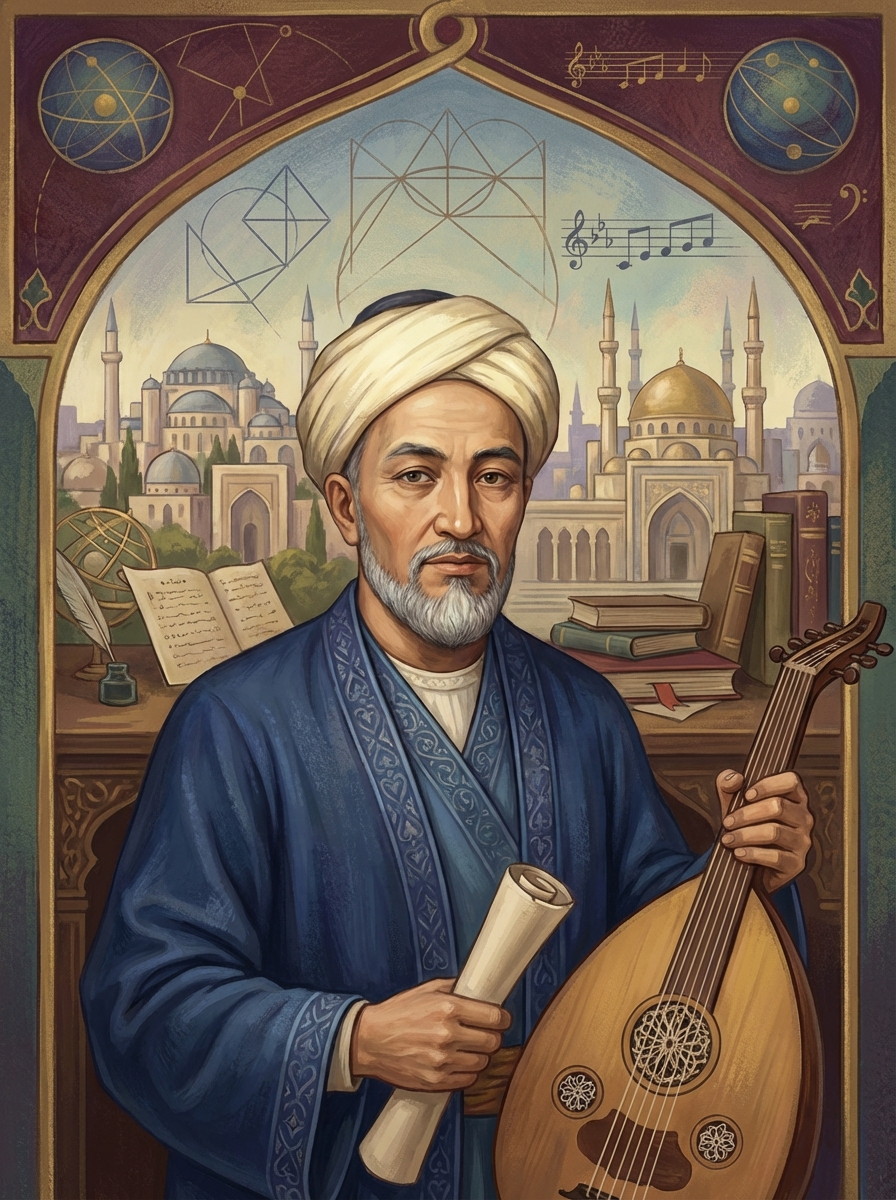
Al-Farabi

Al-Farabi

Islamic Philosopher

Al-Farabi was a towering polymath of the Islamic Golden Age, revered as "The Second Teacher" after Aristotle for his unparalleled mastery of logic, music, and political philosophy. He sought to harmonize the rationalism of Greek thought with the spiritual depth of the Islamic world, writing foundational texts on music theory and envisioning the ideal society in "The Virtuous City." His intellectual legacy served as a vital bridge preserving and expanding upon ancient wisdom for future civilizations.

Explore Al-Farabi’s profile
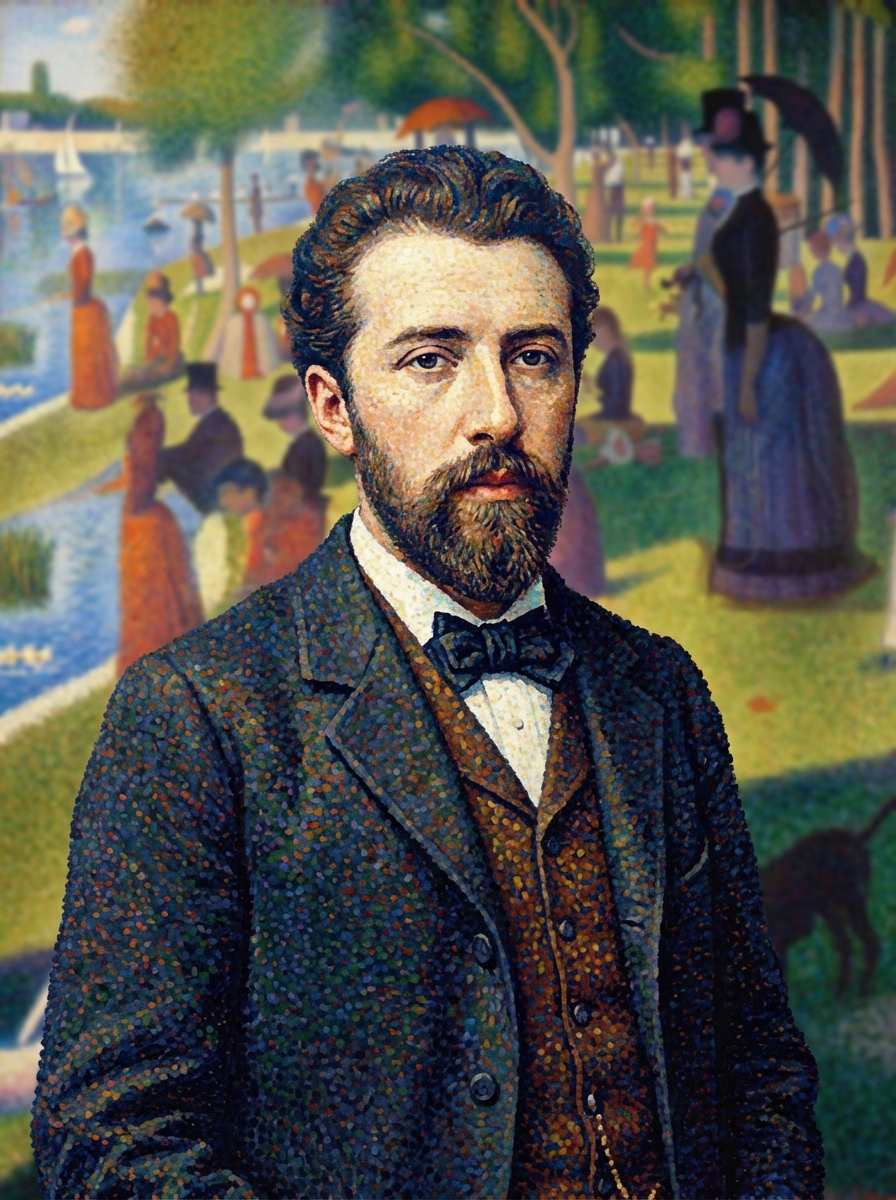
Georges Seurat

Georges Seurat

Pointillist Painter

Georges Seurat was a pioneering French Post-Impressionist painter who revolutionized the art world by devising the technique known as Pointillism, or Divisionism. By applying small, distinct dots of pure color in patterns that form an image in the viewer's eye, he bridged the gap between scientific optical theory and artistic expression. His monumental work, 'A Sunday Afternoon on the Island of La Grande Jatte', stands as a testament to his meticulous dedication to light and structure.

Explore Georges Seurat’s profile
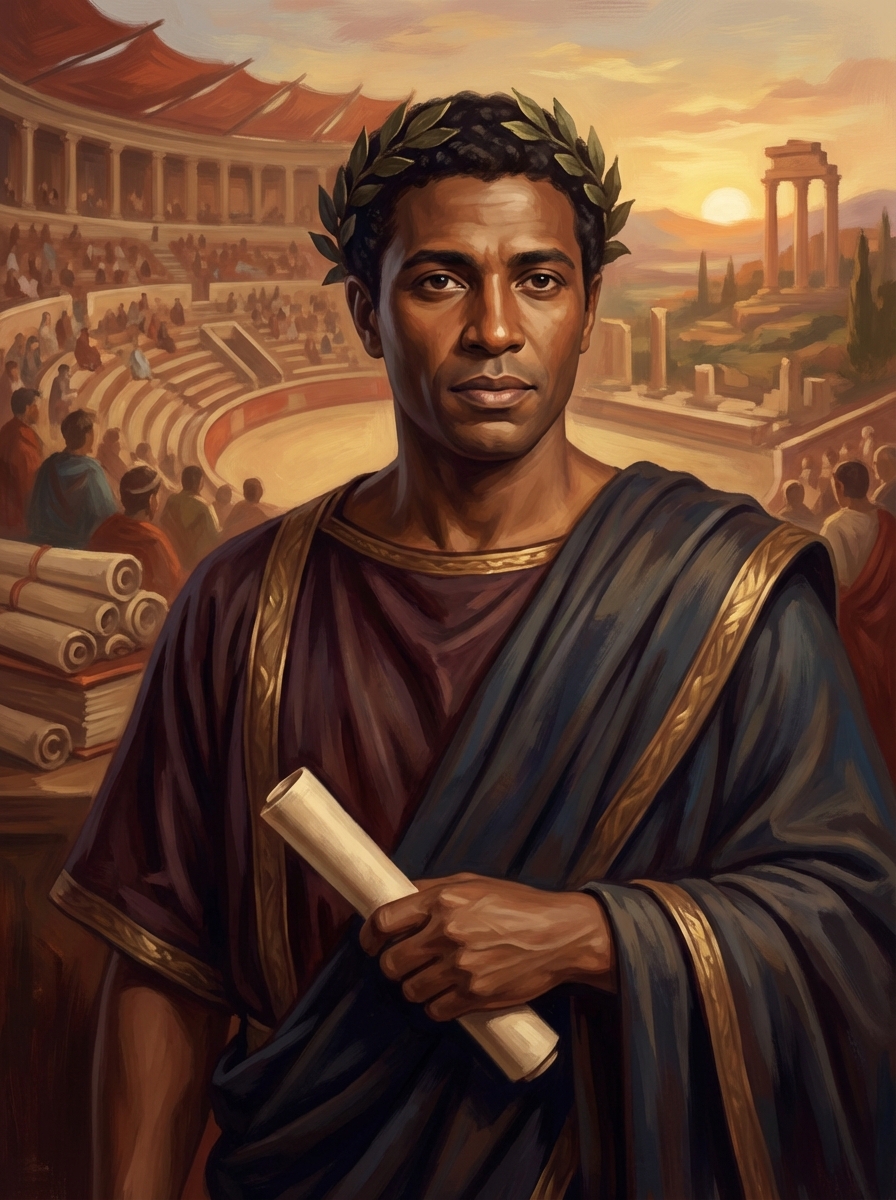
Terence

Terence

African-Roman Playwright

Publius Terentius Afer, known as Terence, was a playwright of the Roman Republic who rose from enslavement in North Africa to literary stardom in Rome. His six surviving comedies are celebrated for their sophisticated Latin, psychological realism, and universal humanism, distinguishing them from the broader slapstick of his contemporaries. He famously declared, "I am human, and I think nothing human is alien to me," cementing his legacy as an empathetic observer of the human condition.

Explore Terence’s profile
René Descartes

René Descartes

Philosopher and Mathematician

René Descartes was a seminal French philosopher and mathematician, often hailed as the father of modern philosophy and the pioneer of analytic geometry. By famously declaring "Cogito, ergo sum" (I think, therefore I am), he established a new foundation for knowledge based on radical skepticism and rationalism. His work bridged the gap between geometry and algebra, laying the groundwork for the scientific revolution.

Explore René Descartes’s profile