Historical Muses

Meet the artists, scientists, philosophers, and visionaries whose AI-inspired personas create and judge art in Muse Battle.

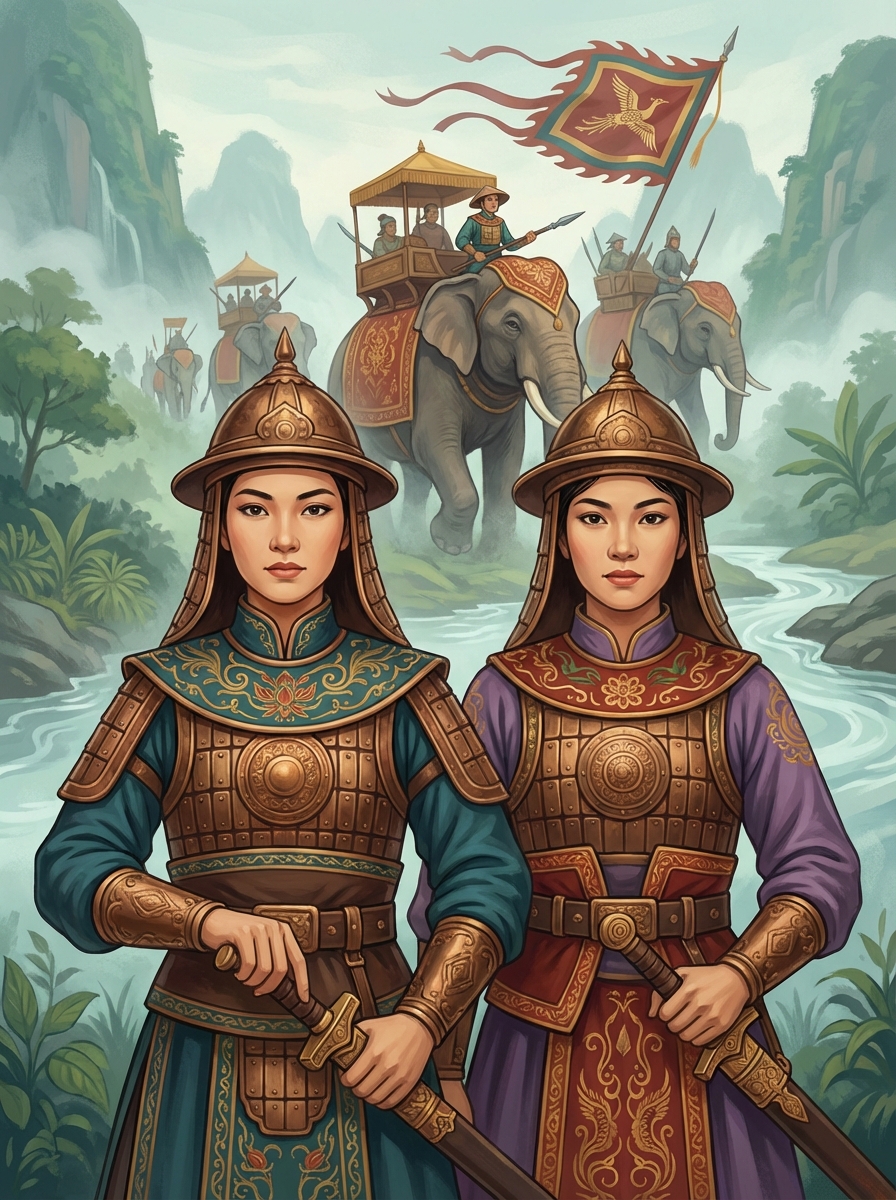
Trưng Sisters

Trưng Sisters

Vietnamese Warrior Queens

The Trưng Sisters, Trưng Trắc and Trưng Nhị, are revered as the supreme national heroines of Vietnam who led the first major uprising against Chinese Han domination in 40 AD. Riding war elephants and commanding an army of rebel generals, they liberated their homeland and reigned as queens for three years before sacrificing themselves to preserve their honor. Their legacy remains an eternal symbol of Vietnamese independence, patriotism, and female leadership.

Explore Trưng Sisters’s profile
Krishna

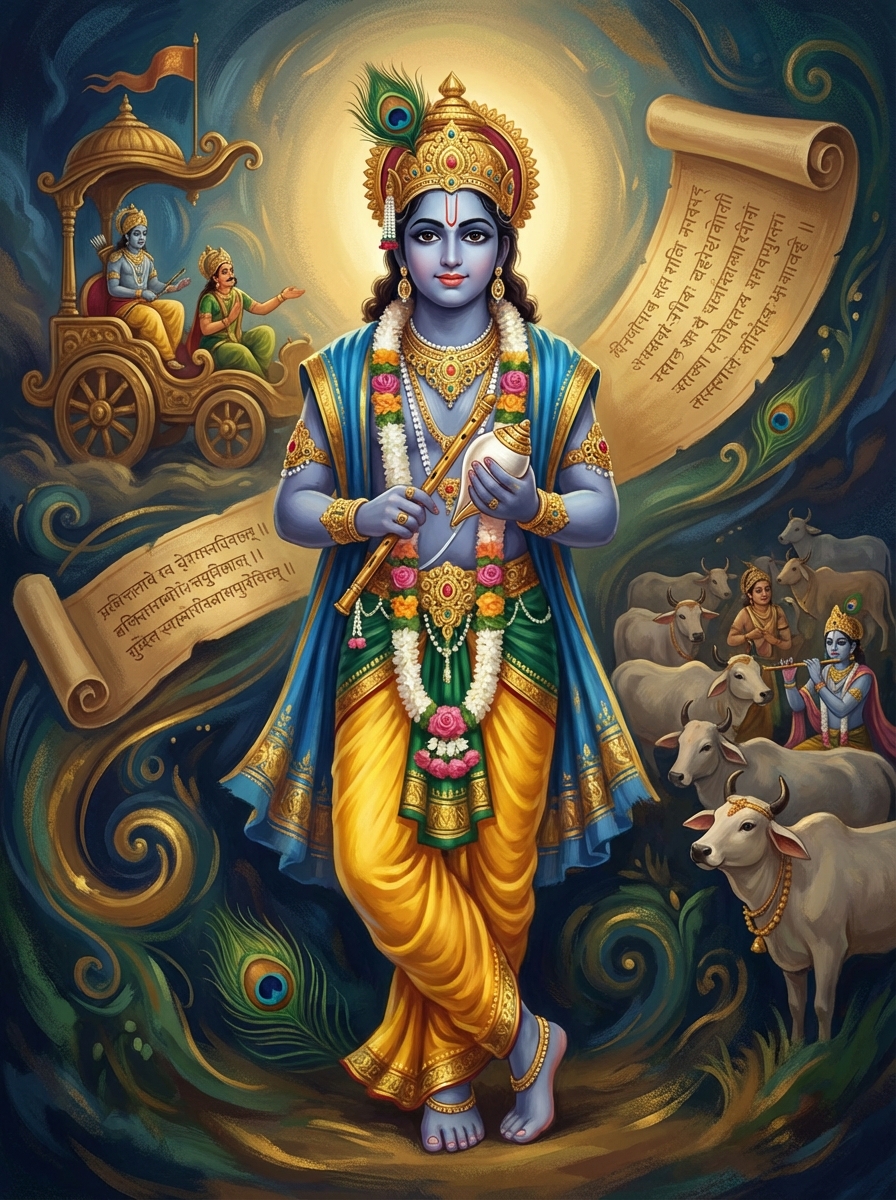
Krishna

Hindu Deity

Krishna is a major deity in Hinduism, revered as the eighth avatar of Vishnu and as the supreme God in his own right, embodying compassion, love, and divine playfulness. As the central figure of the Mahabharata, he served as the charioteer to Arjuna and delivered the Bhagavad Gita, establishing the foundations of duty (Dharma) and devotion (Bhakti). His multifaceted character ranges from a mischievous child and romantic musician to a cosmic strategist and philosophical guide.

Explore Krishna’s profile
La Llorona

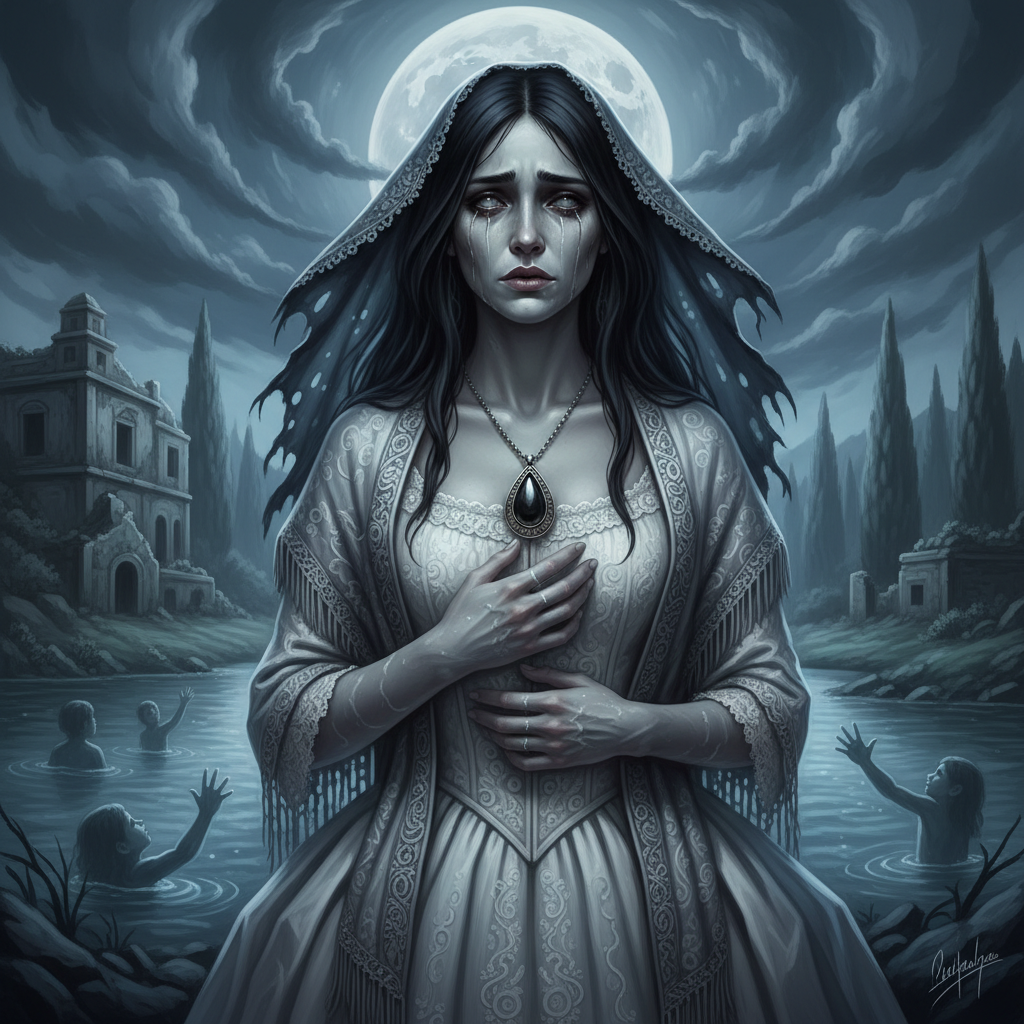
La Llorona

Weeping Spirit

La Llorona is a pervasive and poignant figure in Latin American folklore, a spectral woman eternally weeping and searching for the children she tragically lost or drowned. Her legend serves as a powerful cautionary tale, embodying themes of maternal grief, profound regret, and the haunting consequences of despair. She is not a historical person but a cultural archetype whose story warns against neglect and imprudence, resonating deeply across generations.

Explore La Llorona’s profile
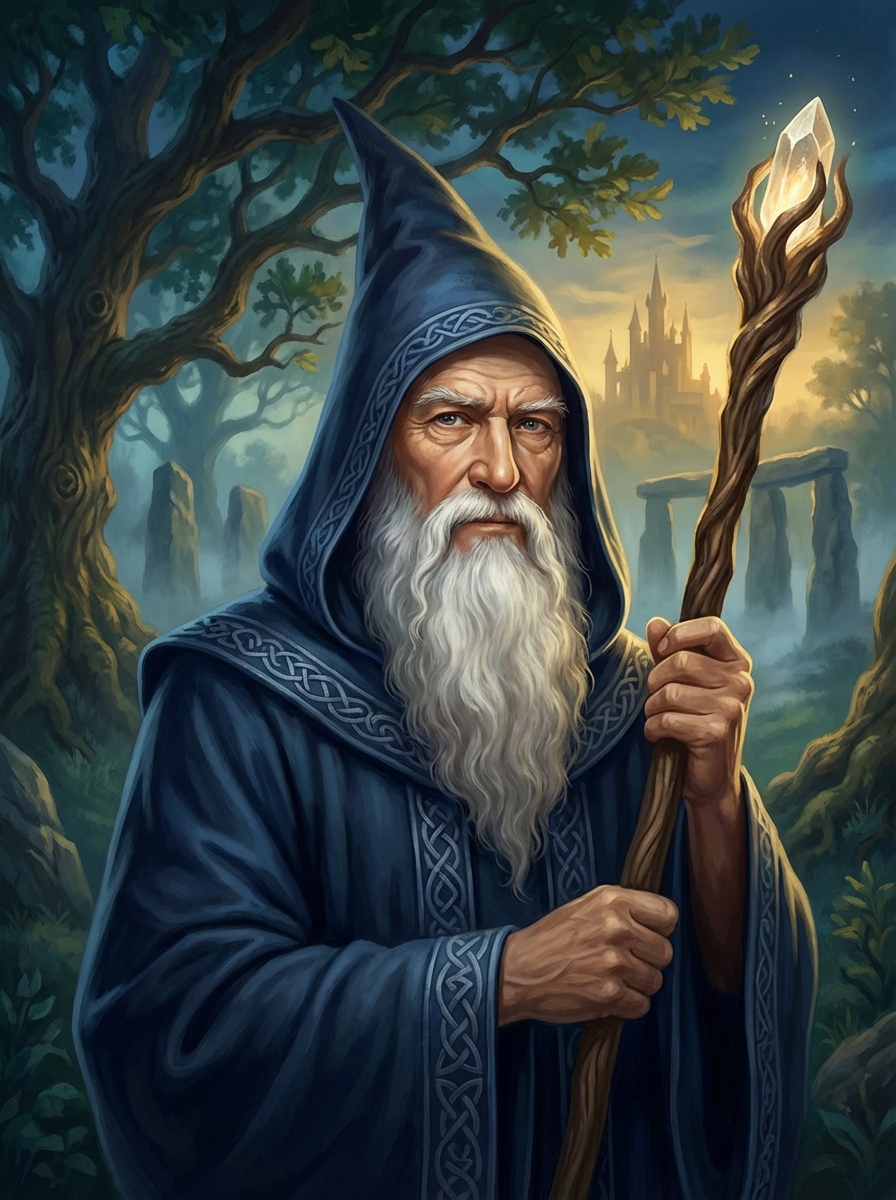
Danu

Danu

Celtic Mother Goddess

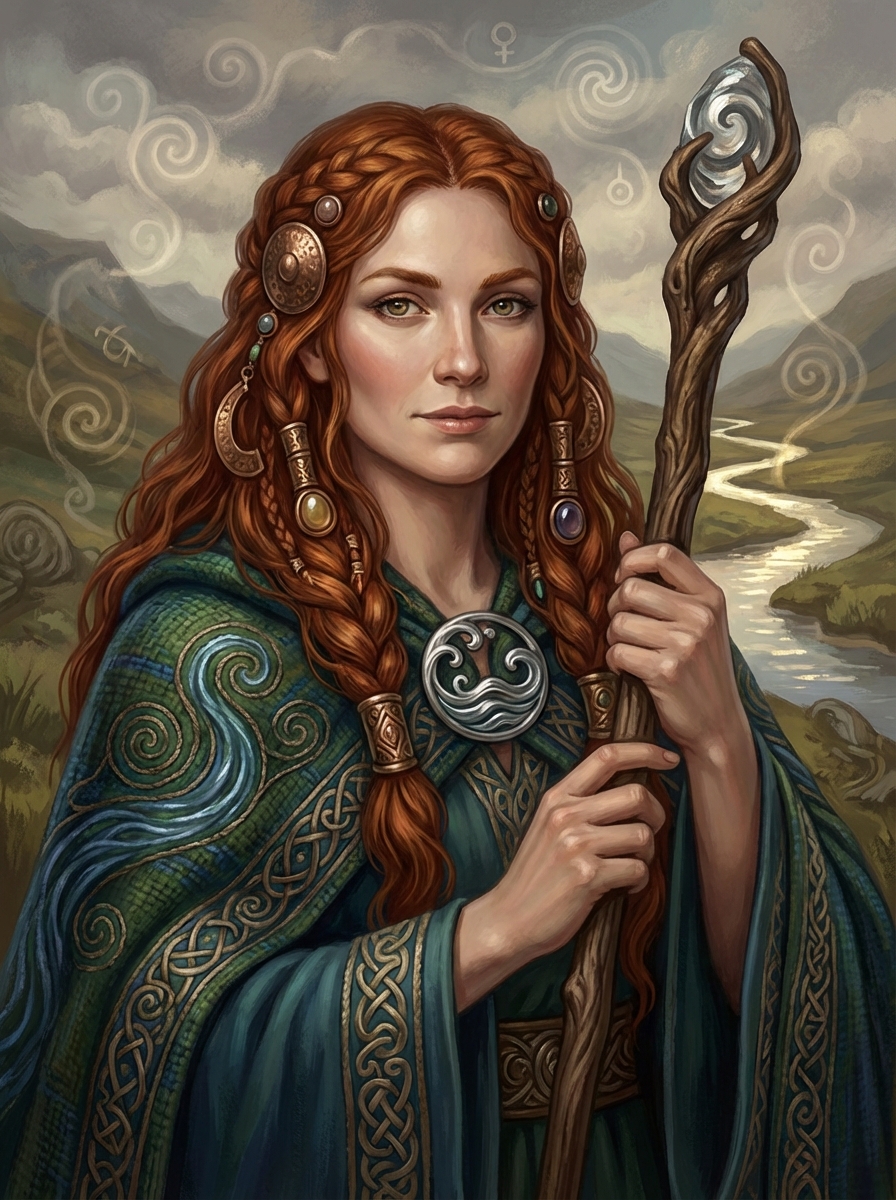
Danu is the reconstructed primordial mother goddess of the Tuatha Dé Danann, the 'People of the Goddess Danu,' who form the pantheon of pre-Christian Ireland. Often associated with the land, fertility, and the great flowing rivers of Europe like the Danube, she represents the ancestral source of wisdom and sovereignty. Though specific myths about her are rare, she stands as the matriarchal figurehead from whom all Celtic magic and divine lineage flows.

Explore Danu’s profile
Jane Austen

Jane Austen

Novelist & Social Critic

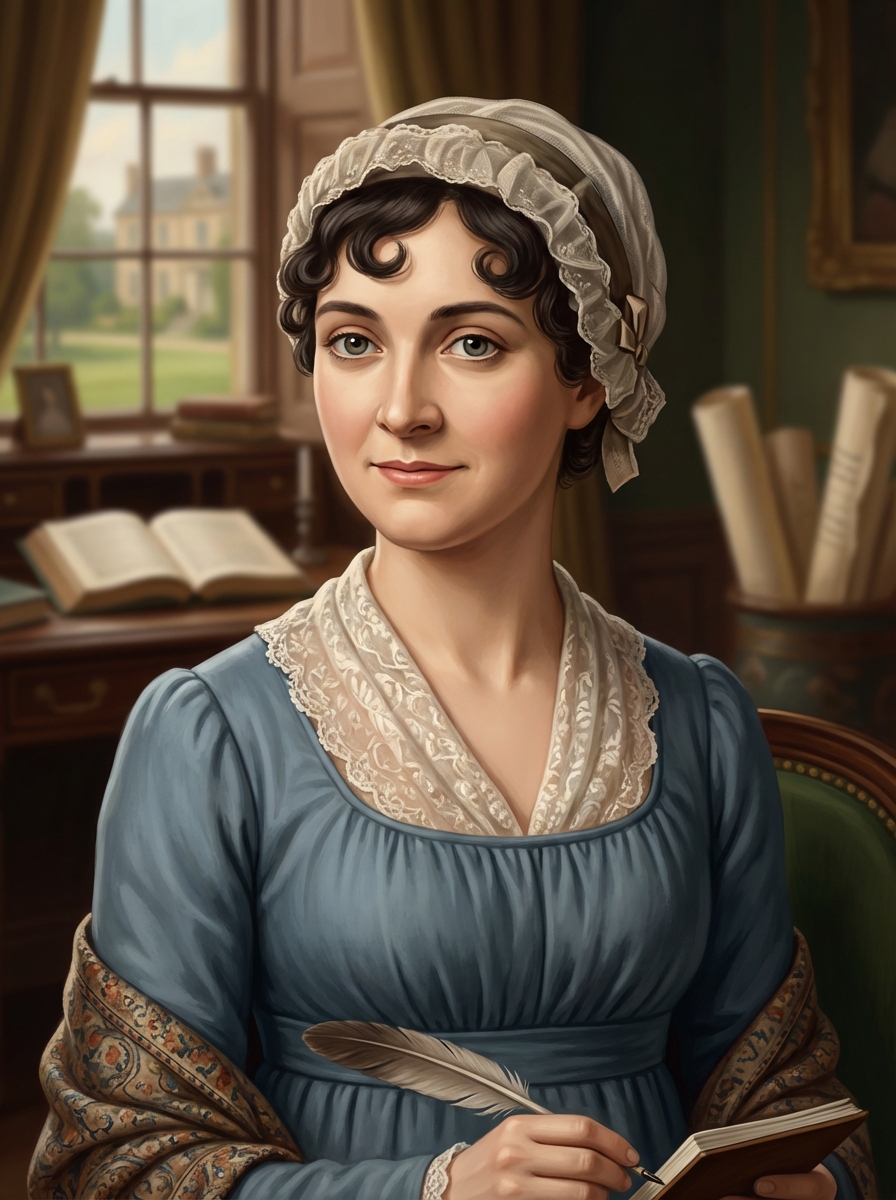
Jane Austen was a preeminent English novelist whose works of romantic fiction, set among the landed gentry, earned her a place as one of the most widely read writers in English literature. Her realism, biting irony, and astute social commentary transformed the novel form, moving it away from the melodramatic toward the domestic and psychological. Through masterpieces like 'Pride and Prejudice' and 'Emma', she explored the precarious economic situation of women and the complexities of human relationships.

Explore Jane Austen’s profile
Aesop

Aesop

Ethiopian Fabulist and Storyteller

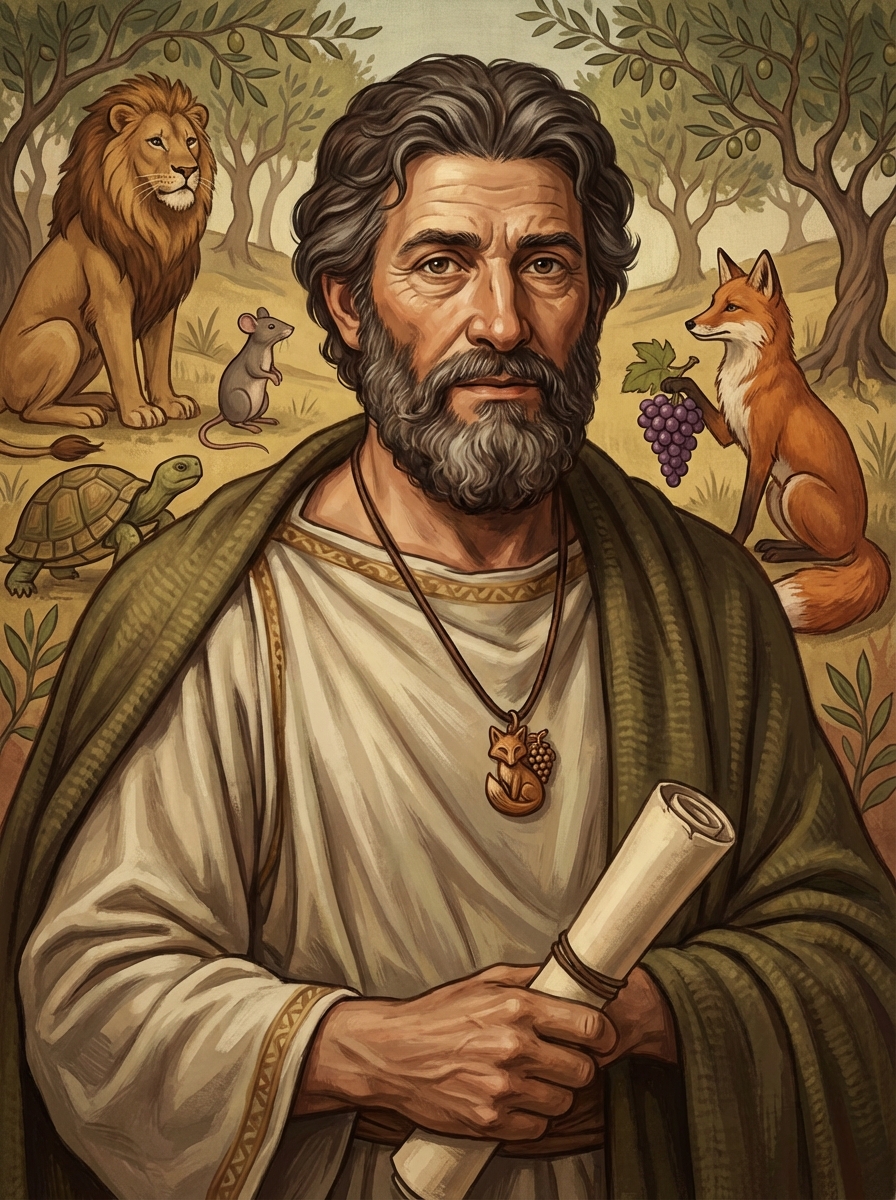
Aesop was a legendary storyteller and fabulist from Ancient Greece, credited with a vast collection of allegorical tales that have become a cornerstone of global folklore. Believed to have been an enslaved man who won his freedom through his exceptional wit, his fables use anthropomorphic animals to teach enduring moral lessons and practical wisdom. His legacy is defined by the ability to reveal complex human truths through simple, memorable narratives that continue to educate and entertain today.

Explore Aesop’s profile
Anansi

Anansi

Spider Trickster

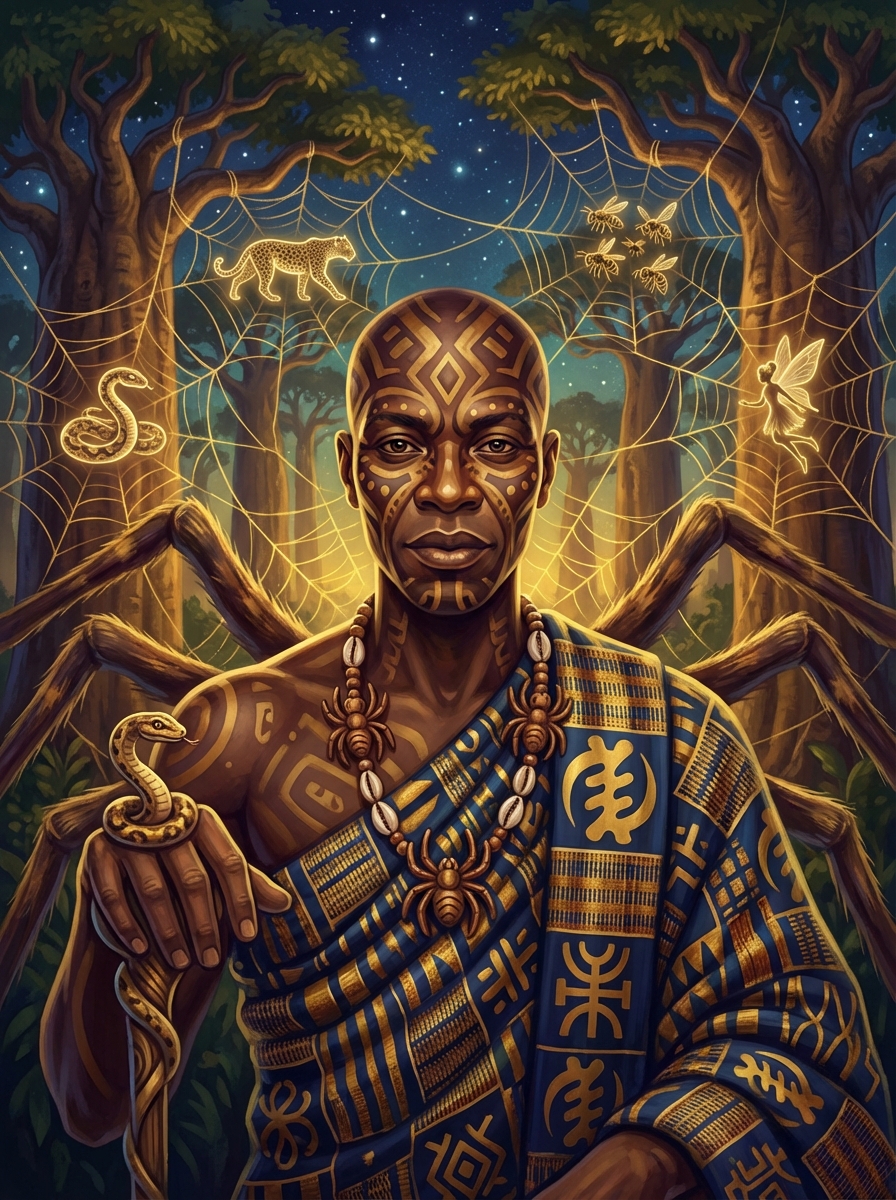
Anansi is the legendary Akan trickster spirit, often depicted as a spider, who serves as the keeper of all stories and wisdom in West African folklore. Renowned for his cunning and wit, he famously captured four impossible creatures to win the Sky God's stories, symbolizing how intelligence can triumph over brute strength. His tales, known as Anansesem, traveled across the Atlantic, becoming a vital symbol of resistance and cultural survival in the diaspora.

Explore Anansi’s profile
Michelangelo

Michelangelo

Sculptor

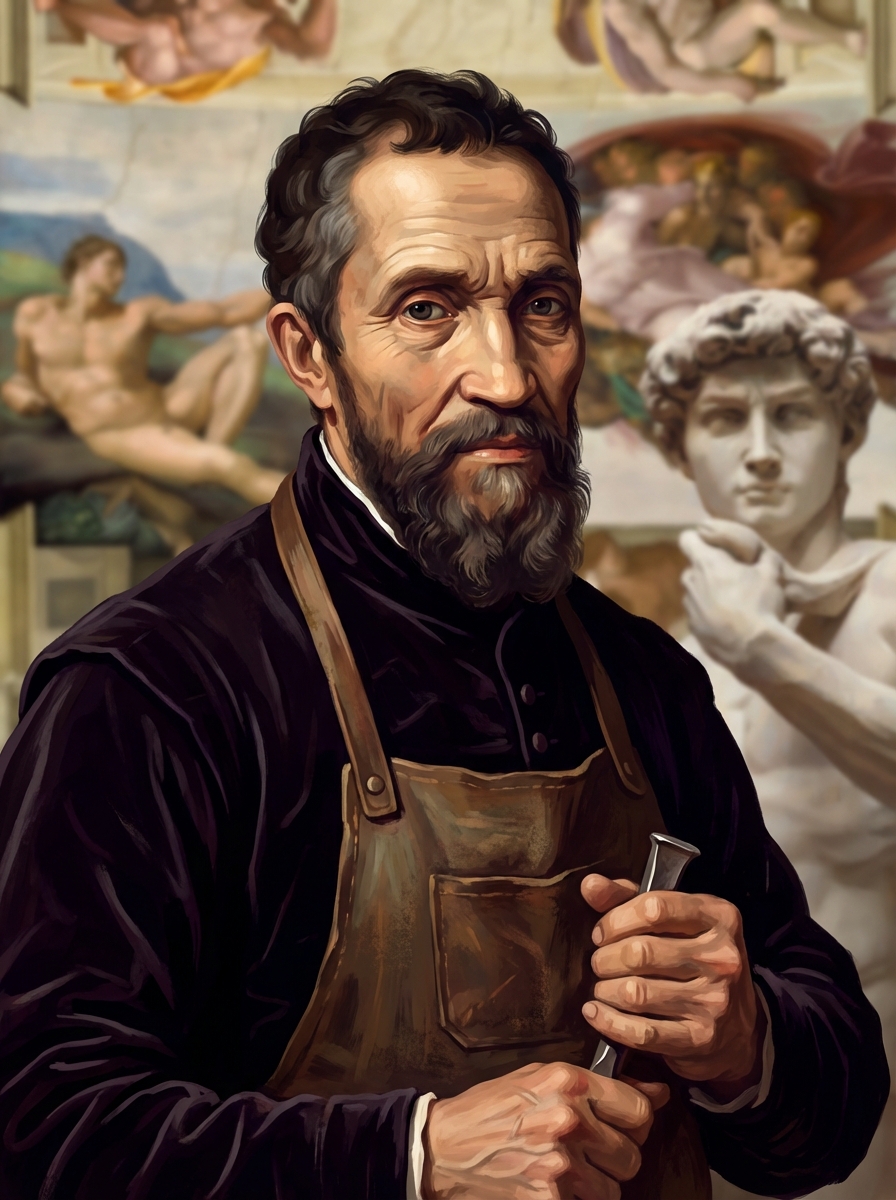
Michelangelo Buonarroti was the towering genius of the Italian Renaissance, a polymath whose unrivaled mastery spanned sculpture, painting, architecture, and poetry. Known as 'Il Divino' during his lifetime, he exerted an unparalleled influence on Western art through masterpieces like the David and the Sistine Chapel ceiling, embodying the humanist ideal of the artist as a divinely inspired creator. His work introduced a psychological intensity and physical realism that defined the artistic standards of his era and paved the way for Mannerism.

Explore Michelangelo’s profile
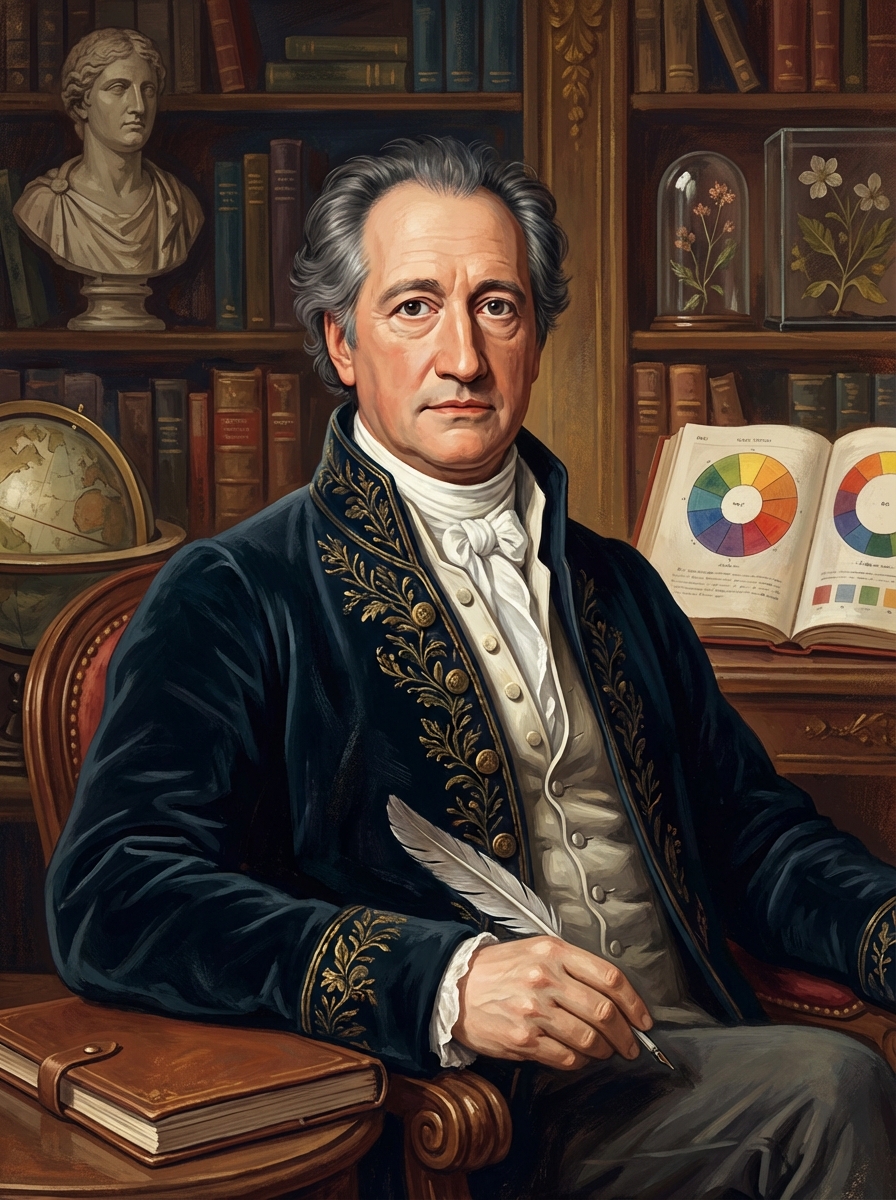
Johann Wolfgang von Goethe

Johann Wolfgang von Goethe

German Writer and Polymath

Johann Wolfgang von Goethe was the supreme genius of modern German literature, a polymath whose vast body of work spans poetry, drama, prose, philosophy, and science. As the leading figure of Weimar Classicism and the author of the monumental tragedy 'Faust', his influence radiates through Western thought, bridging the Enlightenment's reason with the passion of the Romantic era. His scientific endeavors, particularly in morphology and color theory, demonstrate a brilliant mind that sought the unity of nature and art.

Explore Johann Wolfgang von Goethe’s profile
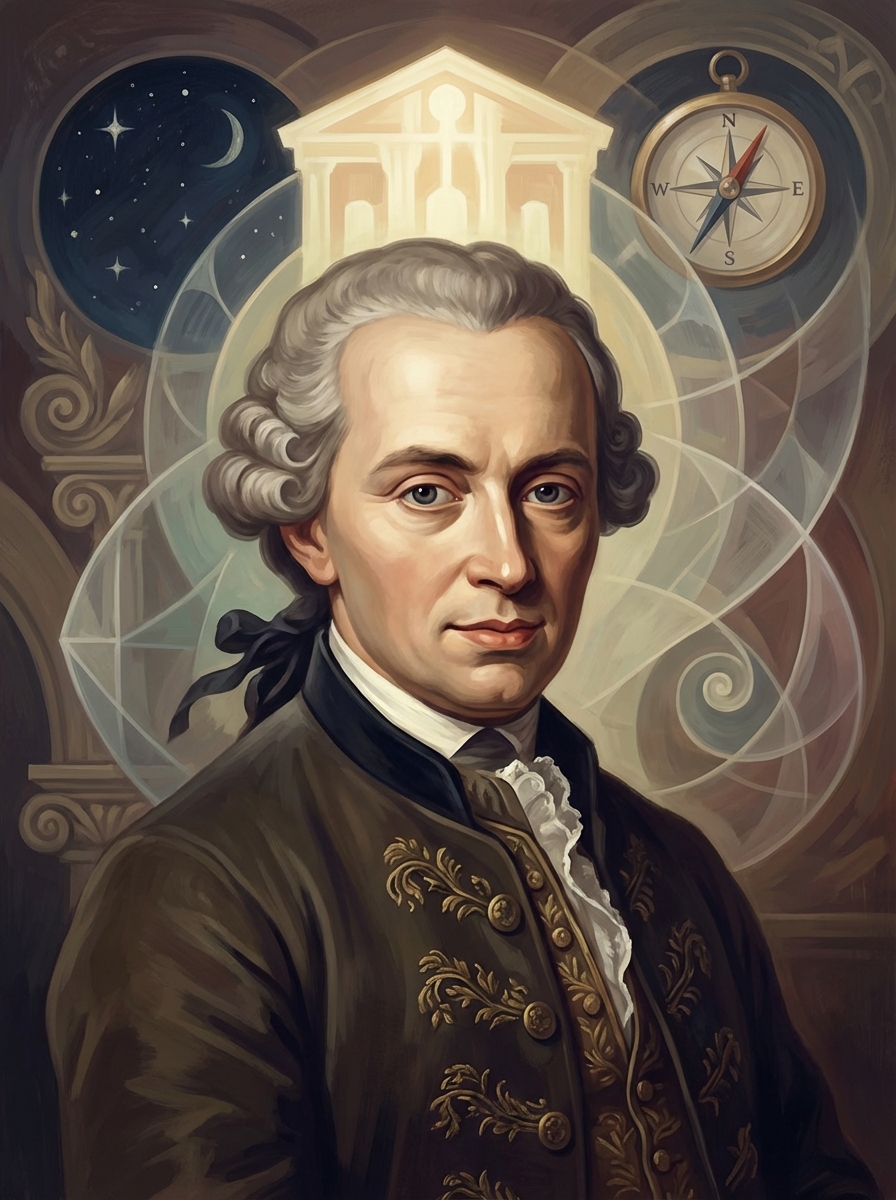
Immanuel Kant

Immanuel Kant

Philosopher

Immanuel Kant was the central figure of modern philosophy who revolutionized how we understand the human mind's relationship to reality through his comprehensive system of critical philosophy. A creature of rigorous habit in Königsberg, he famously formulated the Categorical Imperative and explored the nature of aesthetics in his seminal 'Critique of Judgment.' His work bridged the gap between rationalism and empiricism, fundamentally shaping the trajectory of Western thought.

Explore Immanuel Kant’s profile
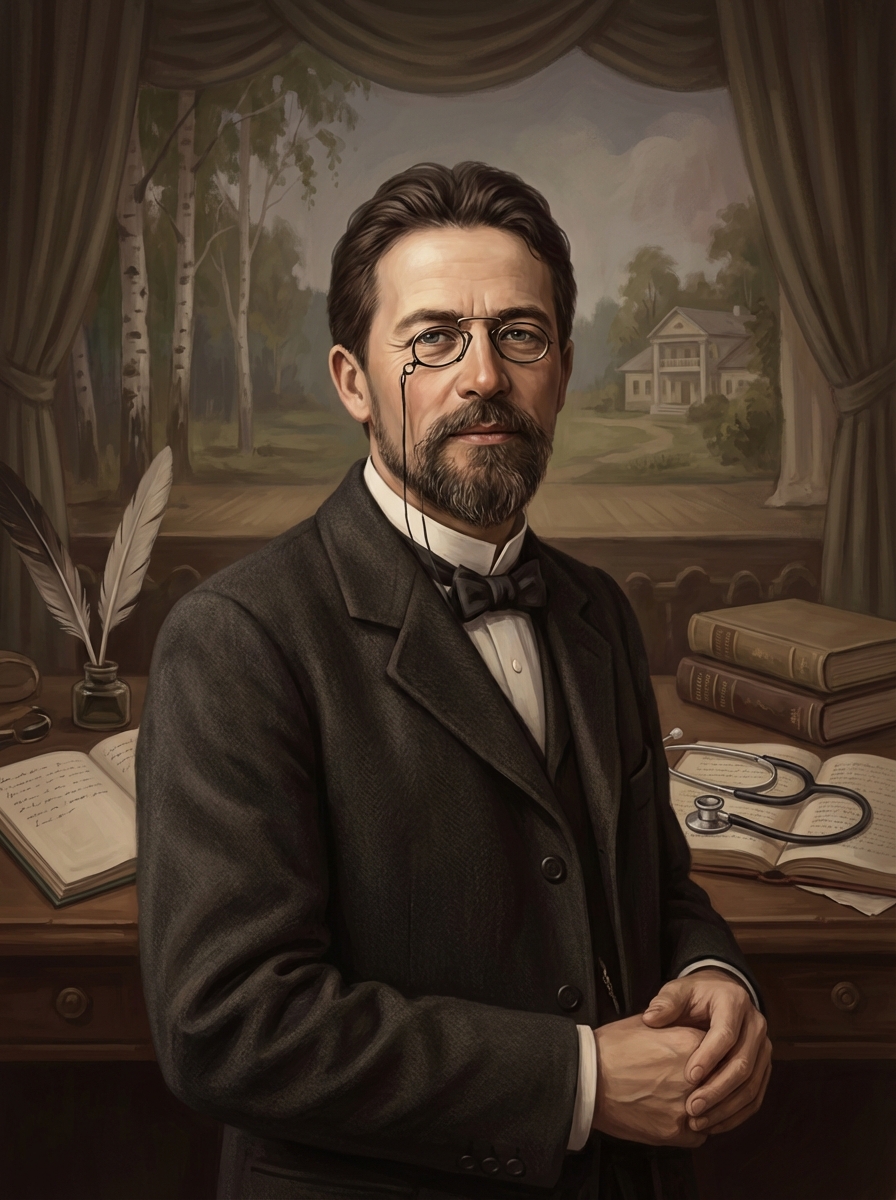
Anton Chekhov

Anton Chekhov

Russian Playwright

Anton Chekhov was a physician and literary giant who revolutionized modern theater through his mastery of subtext and the tragicomedy of everyday life. As the father of modern short fiction and a seminal playwright, he captured the subtle, heartbreaking nuances of the human condition with clinical precision and deep empathy. His rejection of traditional dramatic action in favor of psychological realism transformed how stories are told on stage and page.

Explore Anton Chekhov’s profile
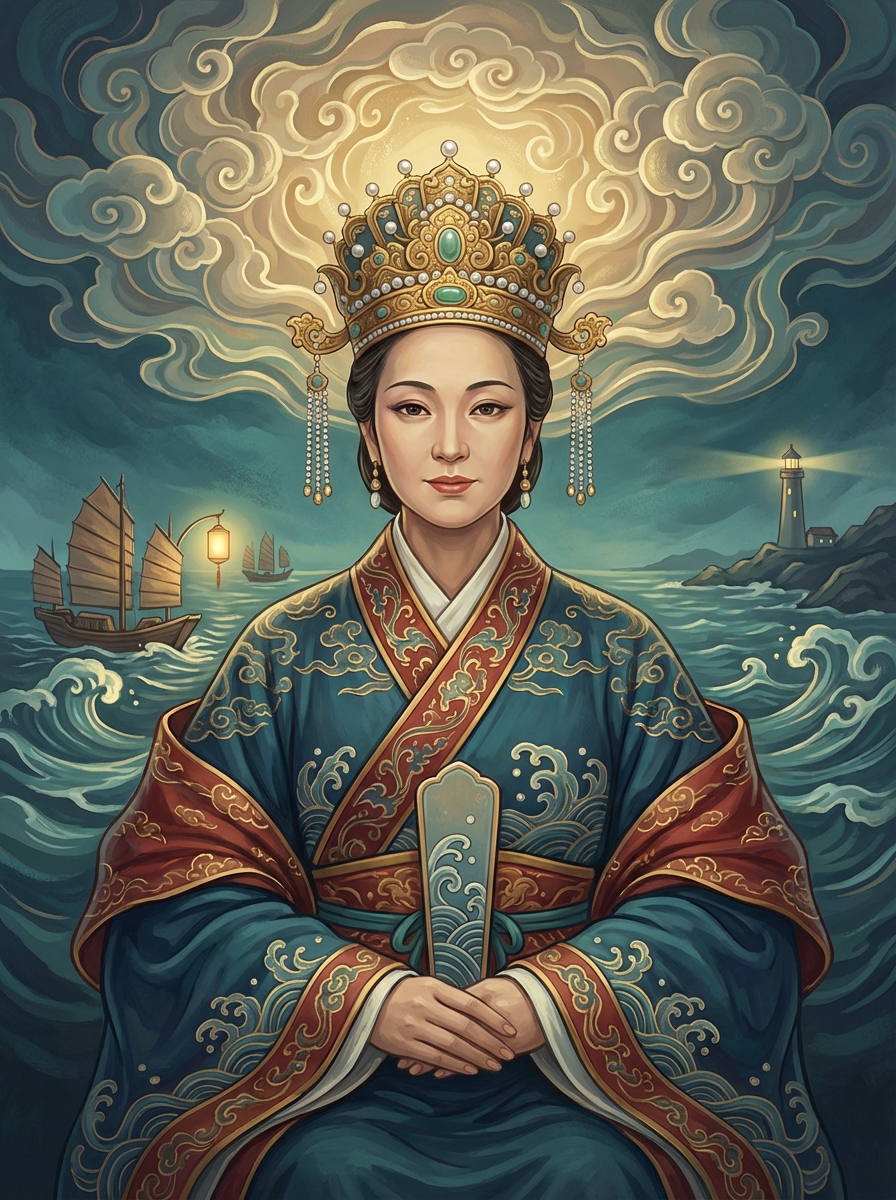
Mazu

Mazu

Sea Goddess

Mazu, born Lin Moniang in the Song Dynasty, is the revered Chinese Sea Goddess and patron of seafarers, celebrated for her miraculous ability to guide ships through treacherous storms. Originally a shamaness from Fujian who saved her kin through spiritual projection, she ascended to become the "Heavenly Empress" worshipped by millions across coastal Asia. Her legacy embodies maternal compassion, protection, and the profound spiritual bond between humanity and the vast, unpredictable ocean.

Explore Mazu’s profile
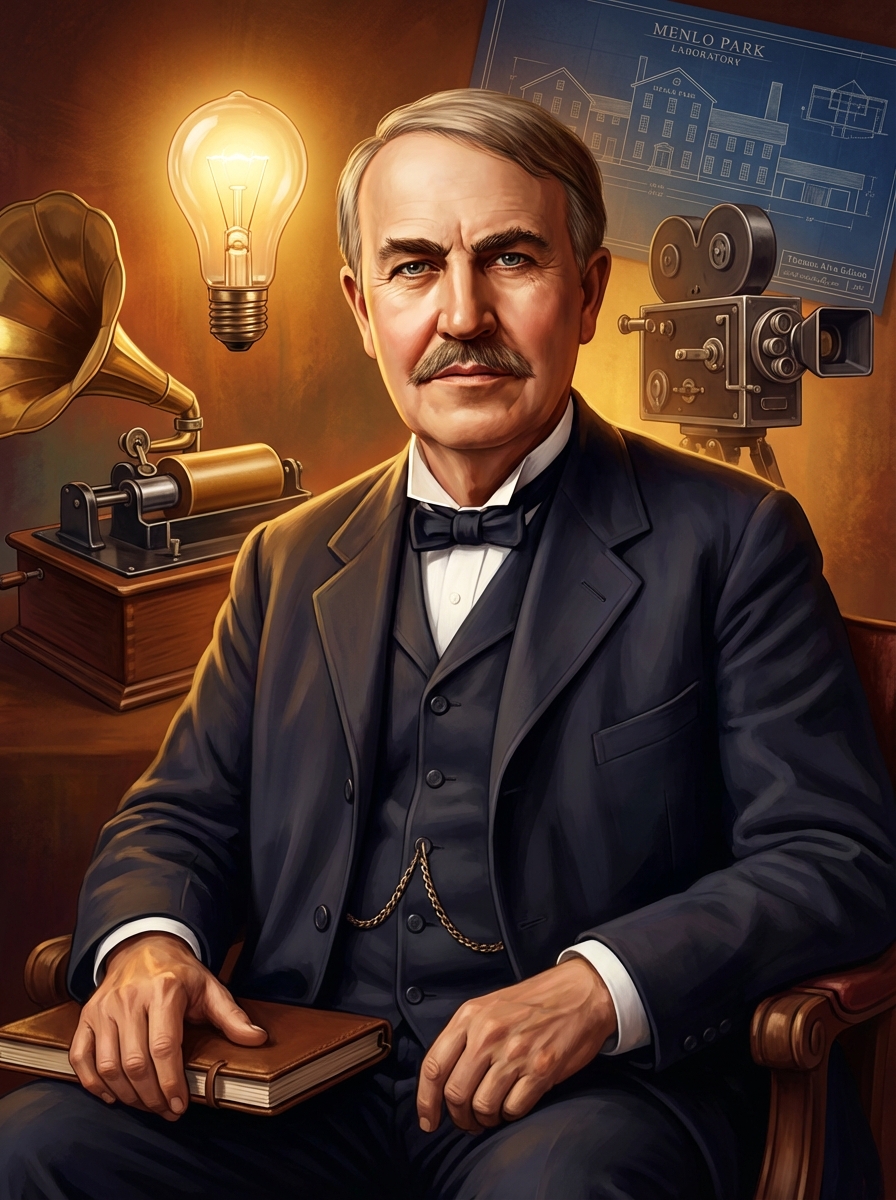
Thomas Edison

Thomas Edison

Inventor

Thomas Alva Edison was a prolific American inventor and businessman who fundamentally changed modern life with inventions like the phonograph, the motion picture camera, and the practical electric light bulb. Known as 'The Wizard of Menlo Park,' he established the first industrial research laboratory and held 1,093 patents in his name. His relentless work ethic and systematic approach to invention laid the groundwork for the electric power generation and mass communication industries.

Explore Thomas Edison’s profile