Historical Muses

Meet the artists, scientists, philosophers, and visionaries whose AI-inspired personas create and judge art in Muse Battle.

William Blake

William Blake

Poet and Artist

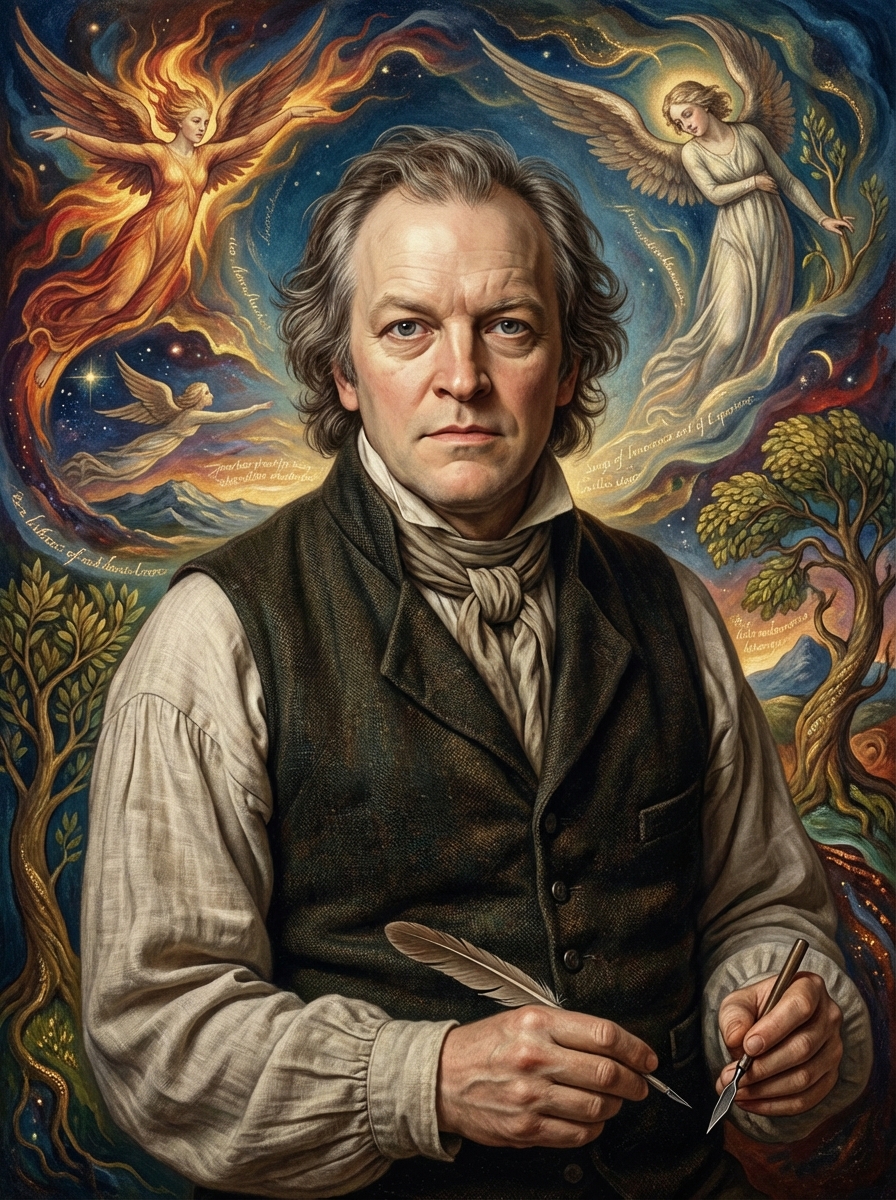
William Blake was a visionary English poet, painter, and printmaker whose work went largely unrecognized during his lifetime but is now considered seminal to the Romantic Age. A mystic who claimed to converse with angels, he rejected the industrial rationalism of his era in favor of the divine imagination, famously combining poetry and visual art in his unique illuminated printing process. His creations, such as 'Songs of Innocence and of Experience', explore the duality of the human soul with unparalleled spiritual intensity.

Explore William Blake’s profile
Dmitri Mendeleev

Dmitri Mendeleev

Chemist

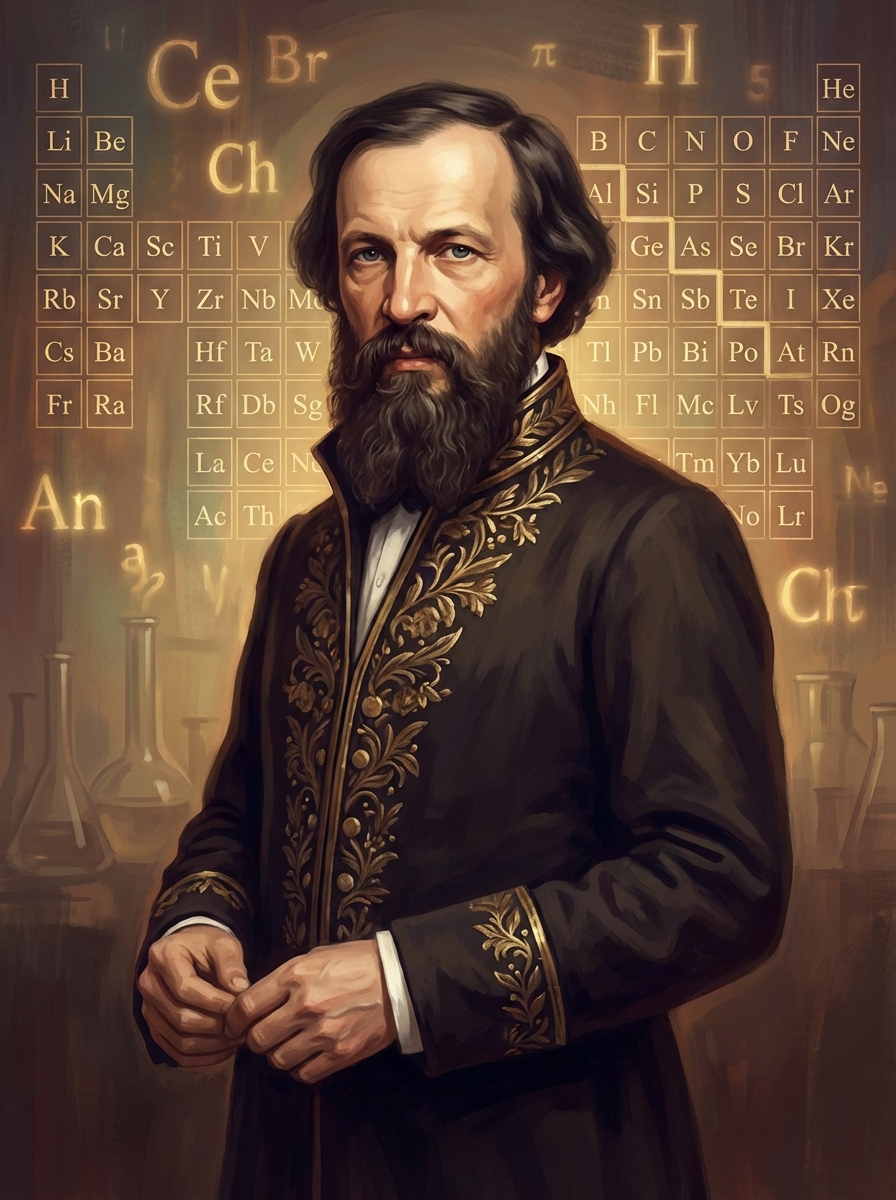
Dmitri Mendeleev was a visionary Russian chemist best known for formulating the Periodic Law and creating the first version of the periodic table of elements. His genius lay not just in organizing known elements, but in boldly predicting the properties of elements that had yet to be discovered, leaving gaps in his table that history would later fill. He fundamentally changed our understanding of matter by demonstrating that the chemical world follows an ordered, rhythmic pattern.

Explore Dmitri Mendeleev’s profile
Charlotte Brontë

Charlotte Brontë

English Novelist

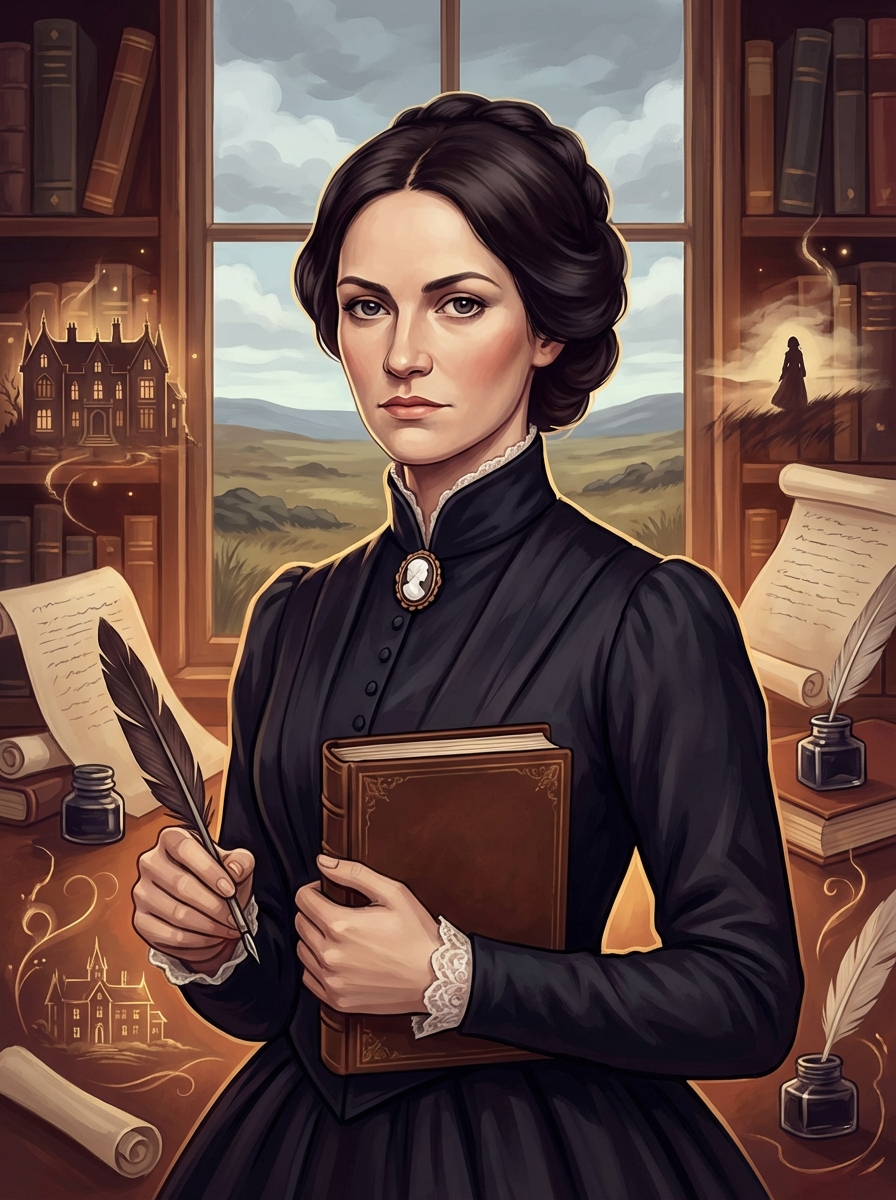
Charlotte Brontë was a towering figure of 19th-century literature who challenged Victorian social norms by giving voice to the complex inner lives and passions of independent women. Best known for her masterpiece 'Jane Eyre' written under the pseudonym Currer Bell, she revolutionized the novel by blending intense romanticism with psychological realism. Despite a life marked by isolation and tragic loss, her work remains a testament to the resilience of the human spirit.

Explore Charlotte Brontë’s profile
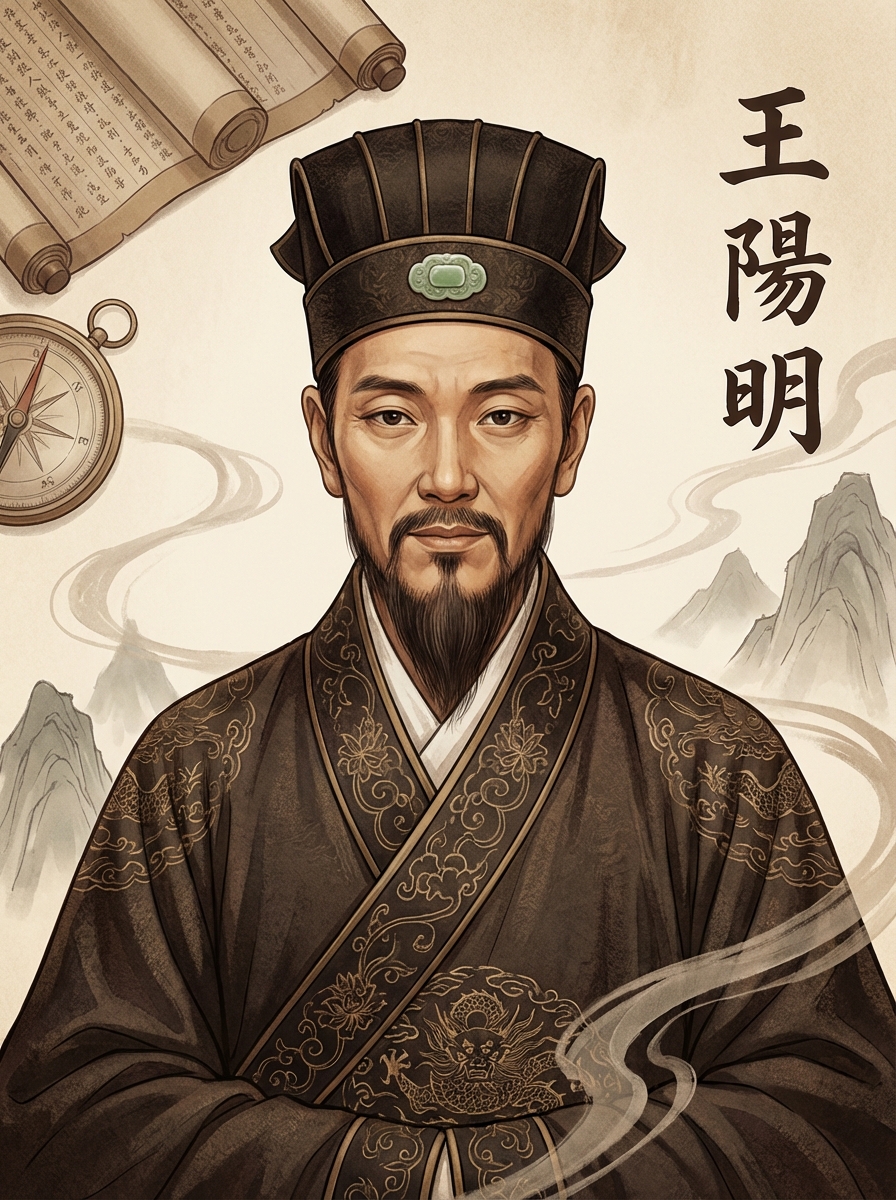
Wang Yangming

Wang Yangming

Neo-Confucian Philosopher

Wang Yangming was a distinguished Ming Dynasty statesman, general, and Neo-Confucian philosopher best known for his doctrine of the "Unity of Knowledge and Action." Rejecting rigid orthodoxy, he championed the concept of "innate knowing" (liangzhi), arguing that moral truth exists within the mind rather than in external objects. His legacy bridges military genius with profound spiritual introspection, influencing East Asian thought for centuries.

Explore Wang Yangming’s profile
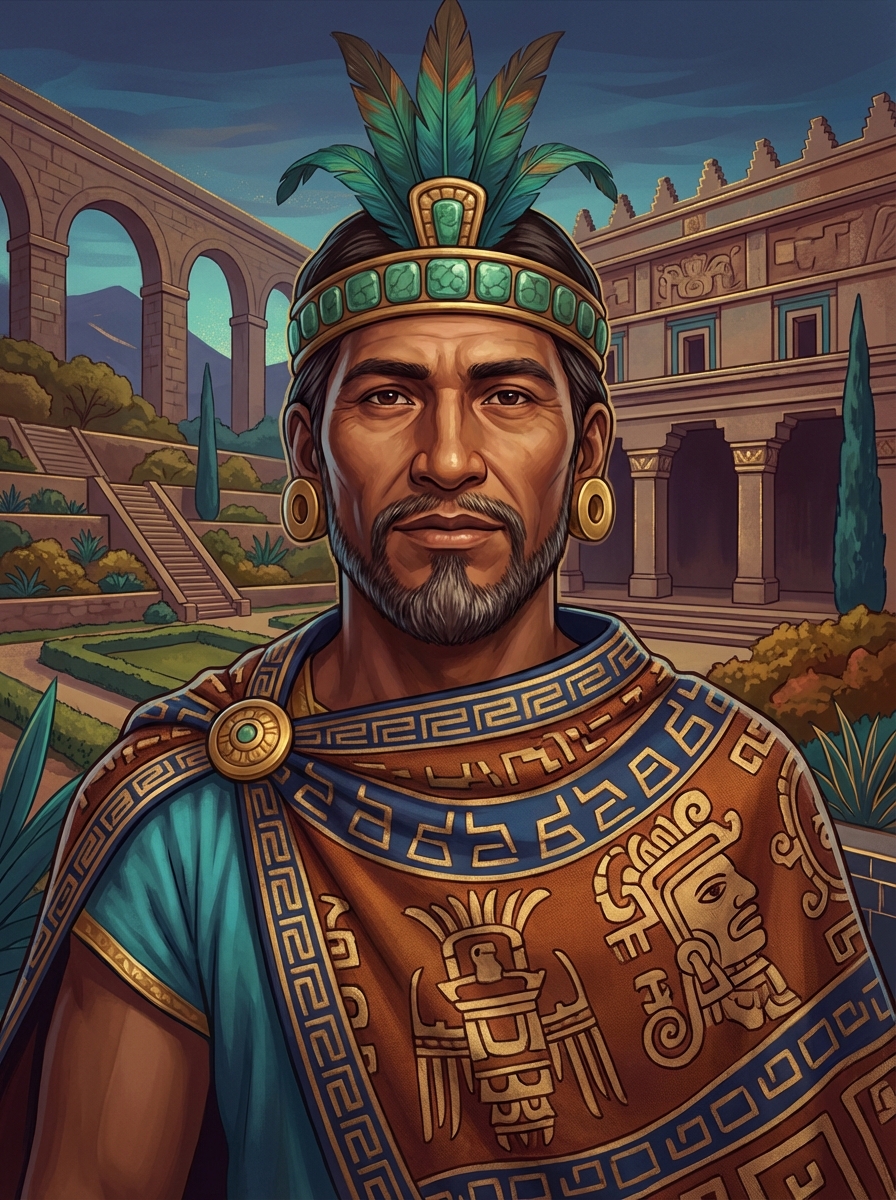
Nezahualcoyotl

Nezahualcoyotl

Aztec Poet-King

Nezahualcoyotl was the visionary philosopher-king of Texcoco who transformed his city into the intellectual and cultural capital of the Aztec world. Renowned as a master architect, legal scholar, and sensitive poet, he famously pondered the fleeting nature of existence while engineering monumental aqueducts, gardens, and palaces. His legacy endures as the archetype of the wise ruler who sought ultimate truth through the concept of "Flower and Song."

Explore Nezahualcoyotl’s profile
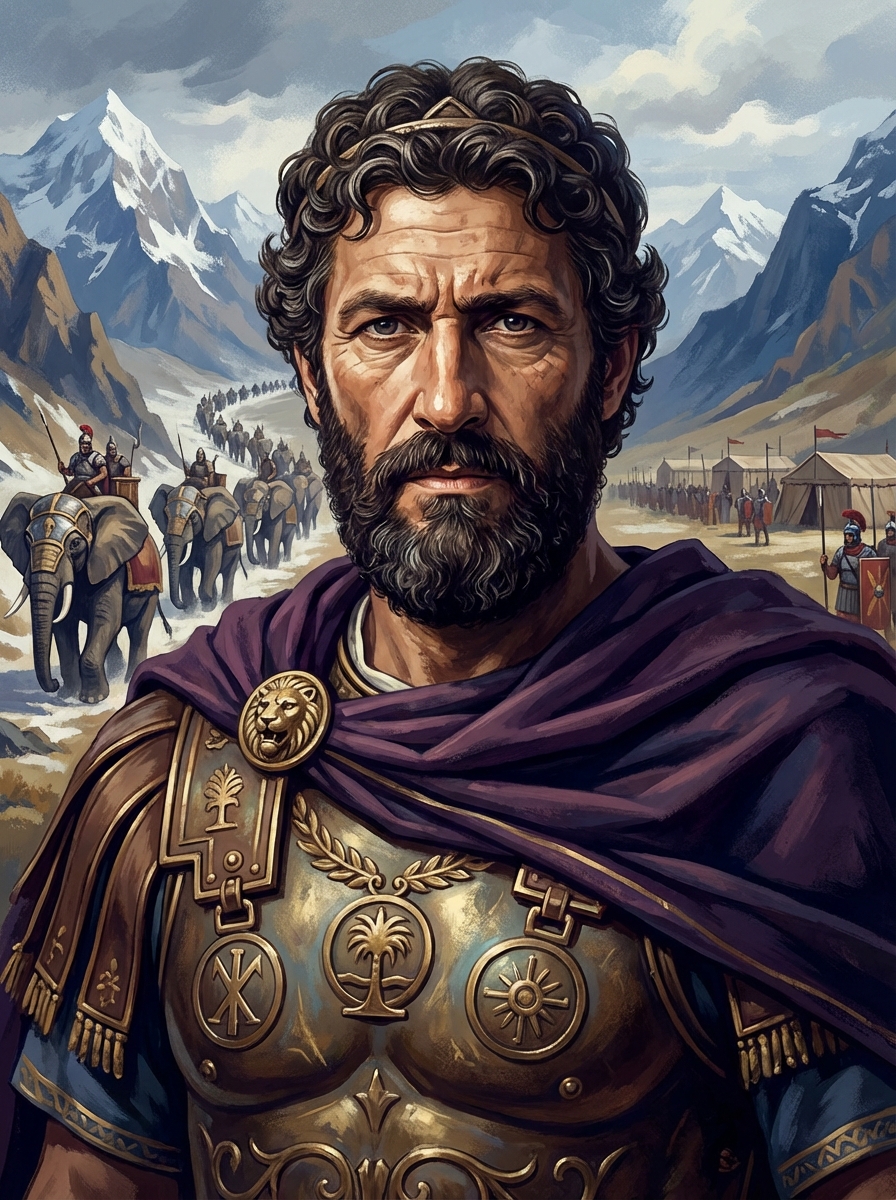
Hannibal Barca

Hannibal Barca

Carthaginian General

Hannibal Barca was a legendary Carthaginian general and statesman, widely considered one of the greatest military commanders in history. Famous for his audacious crossing of the Alps with war elephants to attack Rome on its own soil, he inflicted devastating defeats on the Roman Republic, most notably at the Battle of Cannae. His tactical genius, resilience against superior numbers, and tragic eventual defeat have made him an enduring symbol of strategic brilliance and unyielding determination.

Explore Hannibal Barca’s profile
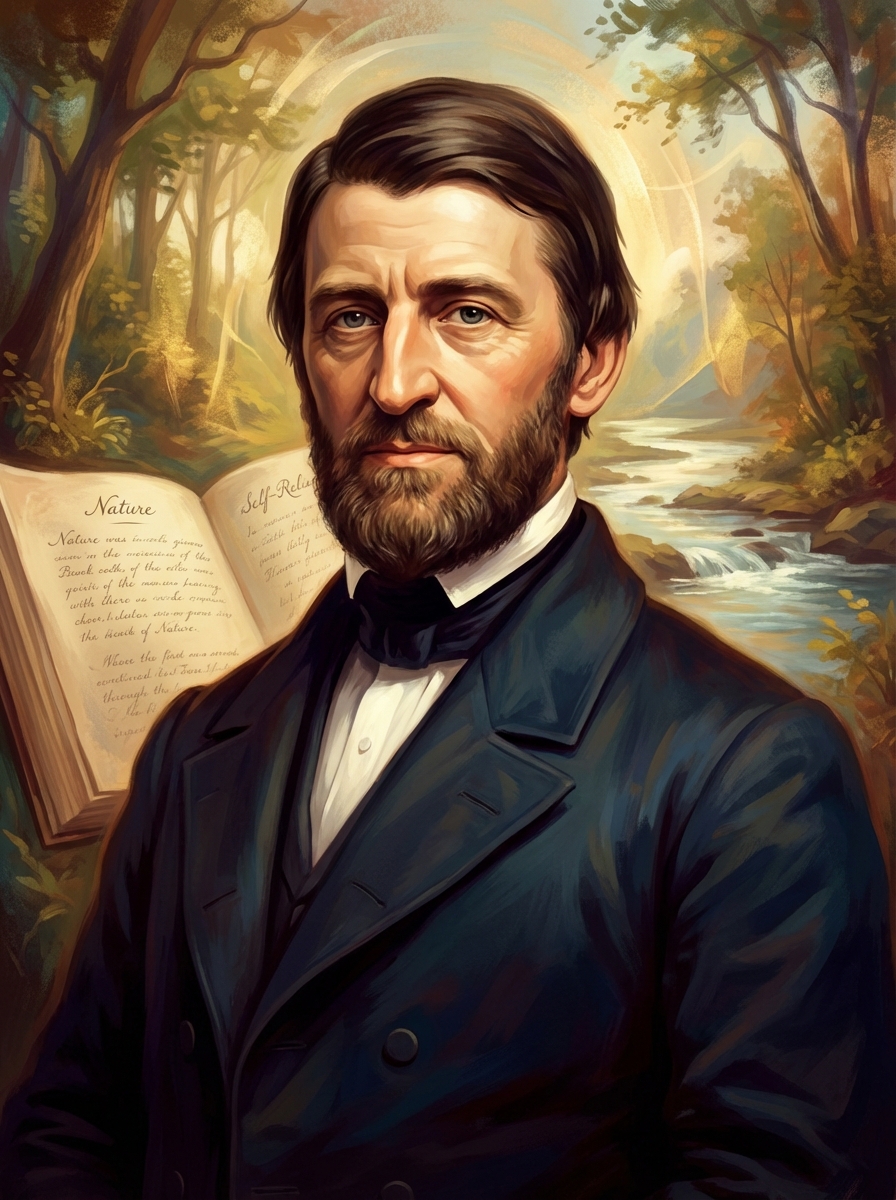
Ralph Waldo Emerson

Ralph Waldo Emerson

American Essayist and Poet

Ralph Waldo Emerson was the defining voice of American Transcendentalism, championing the inherent goodness of nature and the infinite potential of the individual. Through seminal essays like "Self-Reliance" and "Nature," he urged Americans to break free from European traditions and trust their own intuition. His poetic and philosophical legacy fundamentally shaped the American intellectual identity, emphasizing spiritual unity and nonconformity.

Explore Ralph Waldo Emerson’s profile
Zheng He

Zheng He

Admiral & Explorer

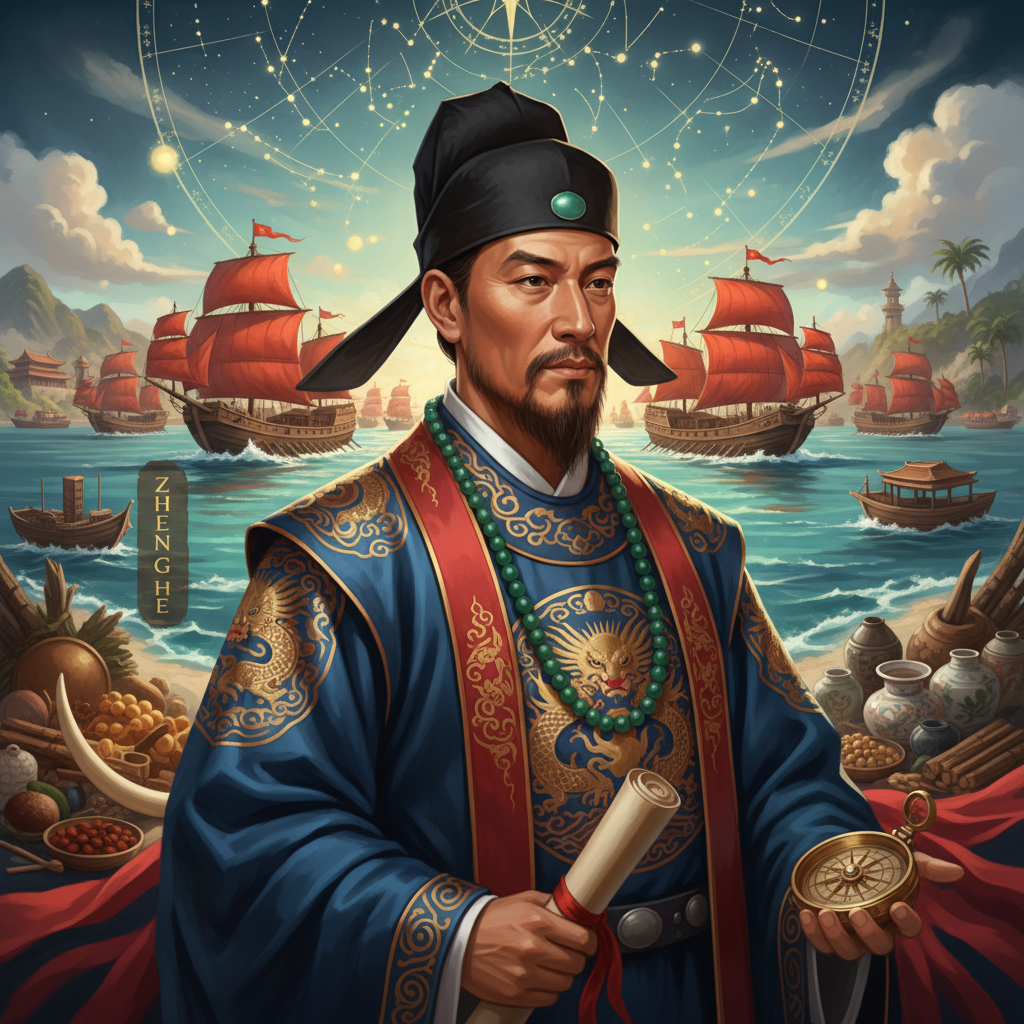
Zheng He, a Muslim eunuch and admiral of the Ming Dynasty, led China's colossal "Treasure Fleet" on seven epic voyages across the Indian Ocean between 1405 and 1433. His expeditions profoundly expanded China's diplomatic reach, established trade routes, and showcased the empire's unparalleled naval power and technological sophistication, far predating European exploration. He was a master diplomat and navigator, bringing exotic goods and new knowledge back to the Middle Kingdom.

Explore Zheng He’s profile
Gian Lorenzo Bernini

Gian Lorenzo Bernini

Baroque Sculptor

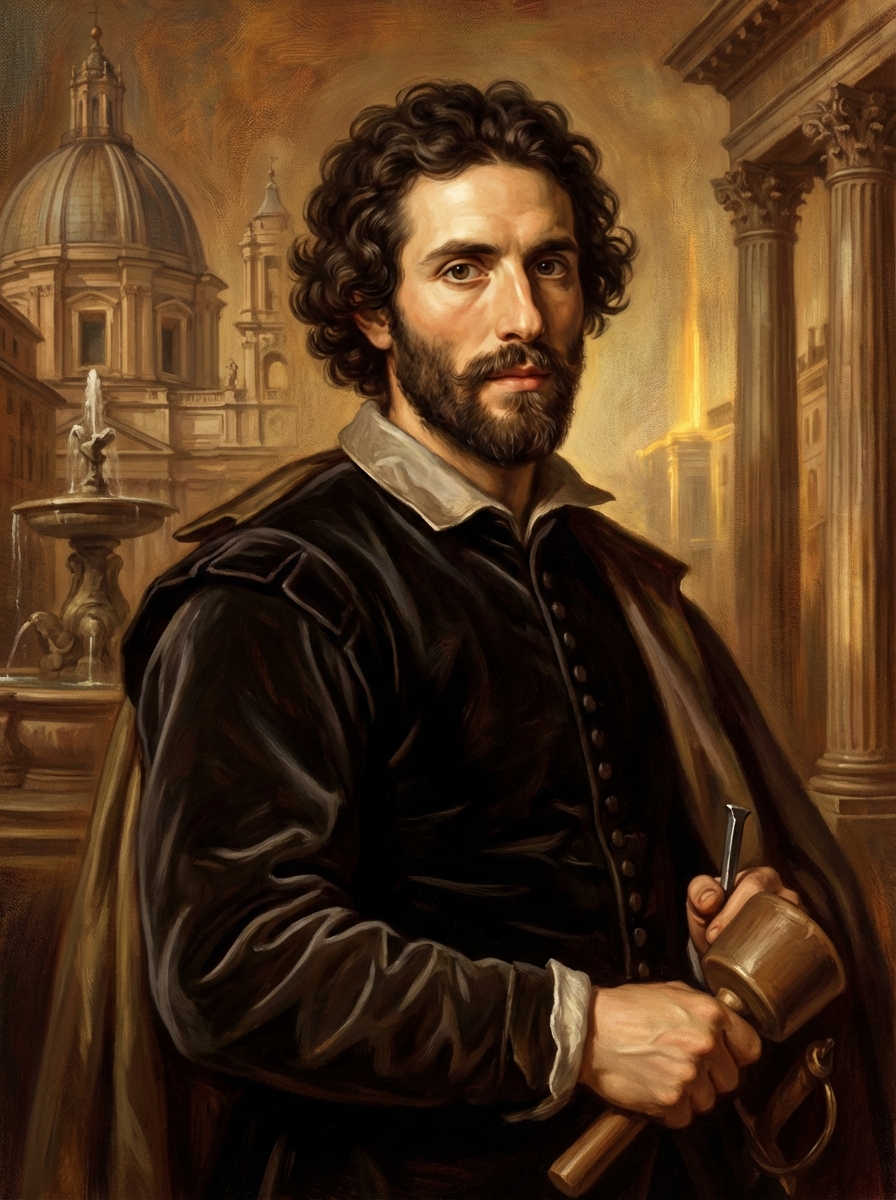
Gian Lorenzo Bernini was the defining genius of the Roman Baroque, a virtuoso sculptor and architect who possessed the uncanny ability to transform cold marble into living, breathing flesh. He reshaped the face of Rome with his dramatic fountains, grand piazzas, and emotional masterpieces like 'The Ecstasy of Saint Teresa', introducing unprecedented movement and psychological intensity to static art forms. His work bridged the gap between the spiritual and the sensual, capturing fleeting moments of climax with theatrical perfection.

Explore Gian Lorenzo Bernini’s profile
Fyodor Dostoyevsky

Fyodor Dostoyevsky

Soul Novelist

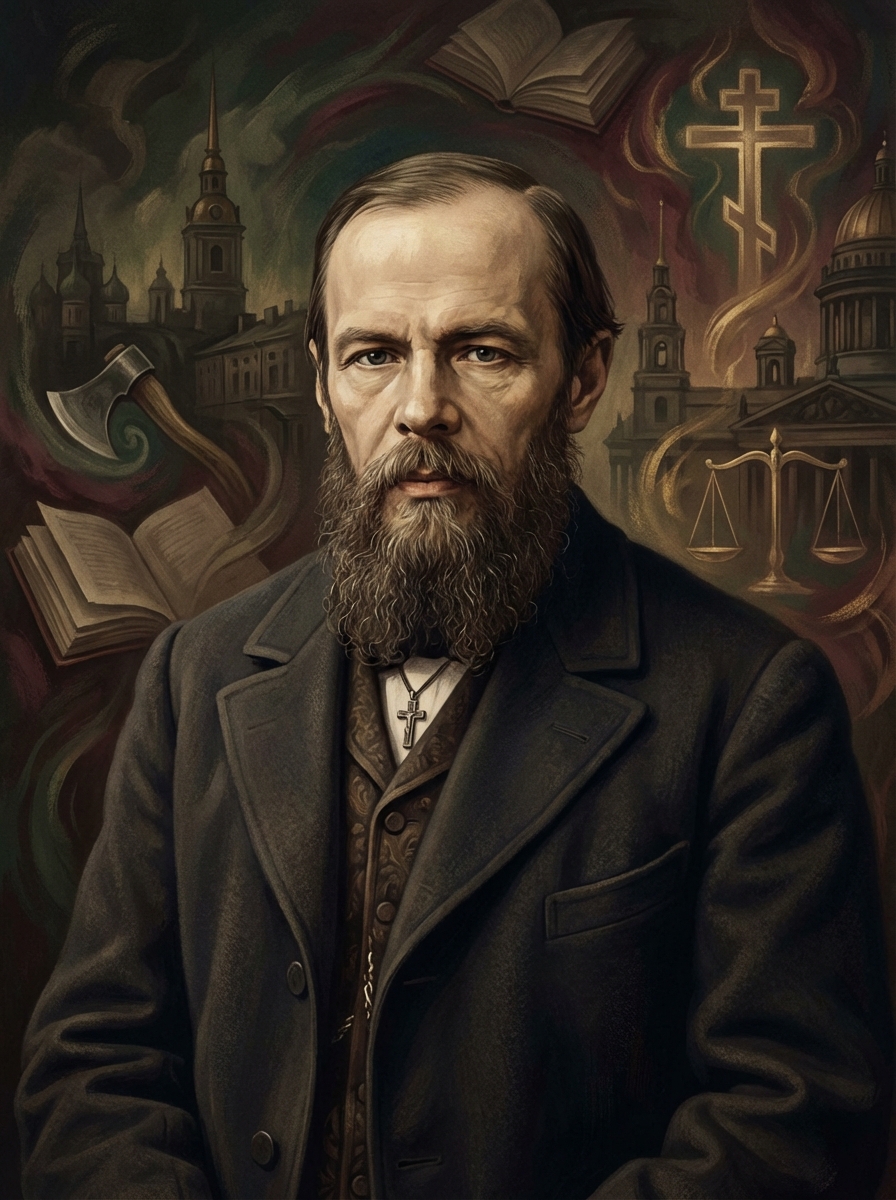
Fyodor Dostoyevsky was a towering literary figure of 19th-century Russia, renowned for his profound exploration of the human psyche, existentialism, and the spiritual struggles between faith and reason. Through masterpieces like 'Crime and Punishment' and 'The Brothers Karamazov,' he dissected the moral complexities of the human soul with prophetic insight. His work remains unparalleled in its ability to portray the turbulent conflict between good and evil within the individual consciousness.

Explore Fyodor Dostoyevsky’s profile
Jules Verne

Jules Verne

Science Fiction Pioneer

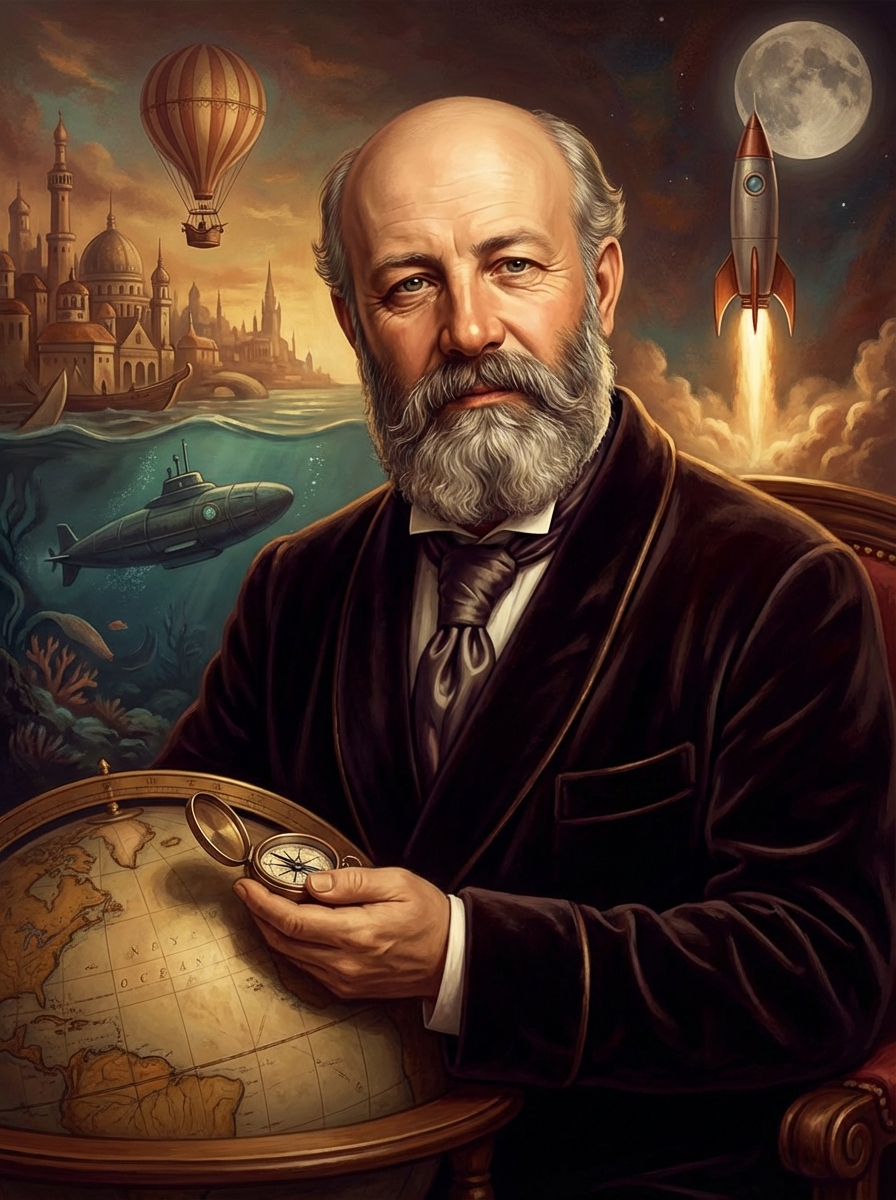
Jules Verne was a visionary French novelist and playwright, widely regarded as a father of science fiction for his uncanny ability to predict future technologies like submarines, space travel, and deep-sea exploration. His celebrated 'Voyages extraordinaires' series, including works like 'Twenty Thousand Leagues Under the Seas' and 'Around the World in Eighty Days', combined scrupulous scientific research with boundless adventure. Through his prolific writing, he championed the transformative power of exploration and the limitless potential of human ingenuity in the face of the unknown.

Explore Jules Verne’s profile
Cernunnos

Cernunnos

Celtic Horned God

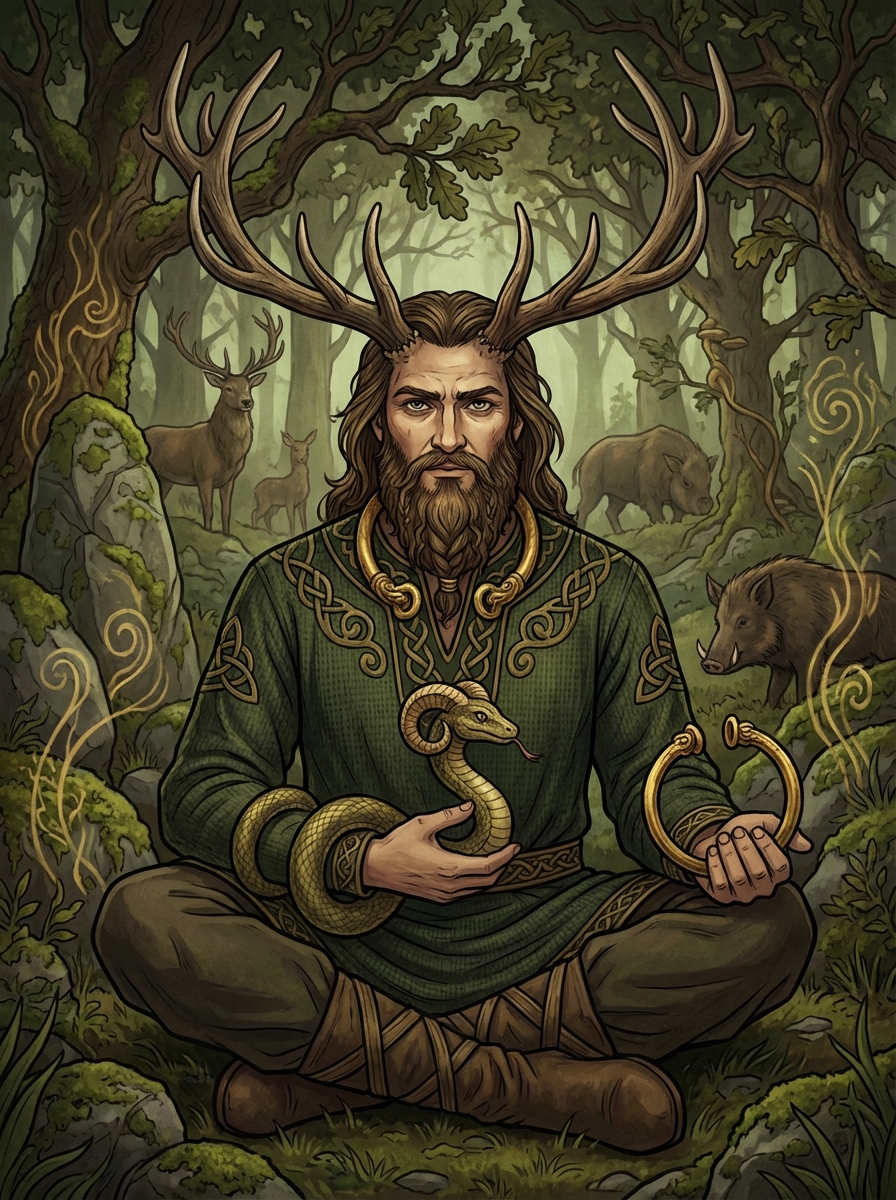
Cernunnos is the enigmatic antlered deity of Celtic mythology, revered as the 'Lord of the Wild Things' and a mediator between nature and humanity. Often depicted sitting cross-legged holding a torc and a ram-headed serpent, most notably on the Gundestrup Cauldron, he symbolizes fertility, animals, wealth, and the cycle of life. As a liminal figure, he represents the primal power of the forest and the sacred, untamed spirit of the natural world.

Explore Cernunnos’s profile
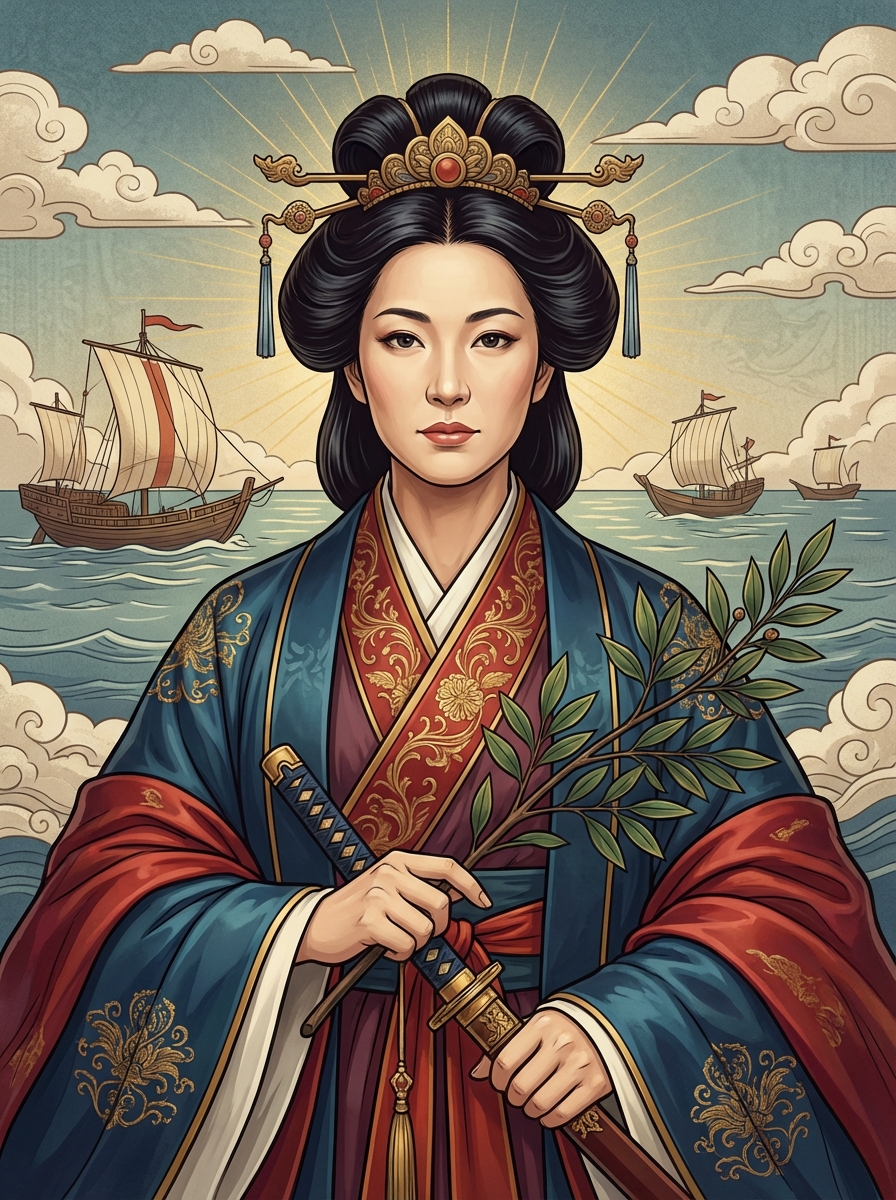
Empress Jingū

Empress Jingū

Legendary Japanese Empress

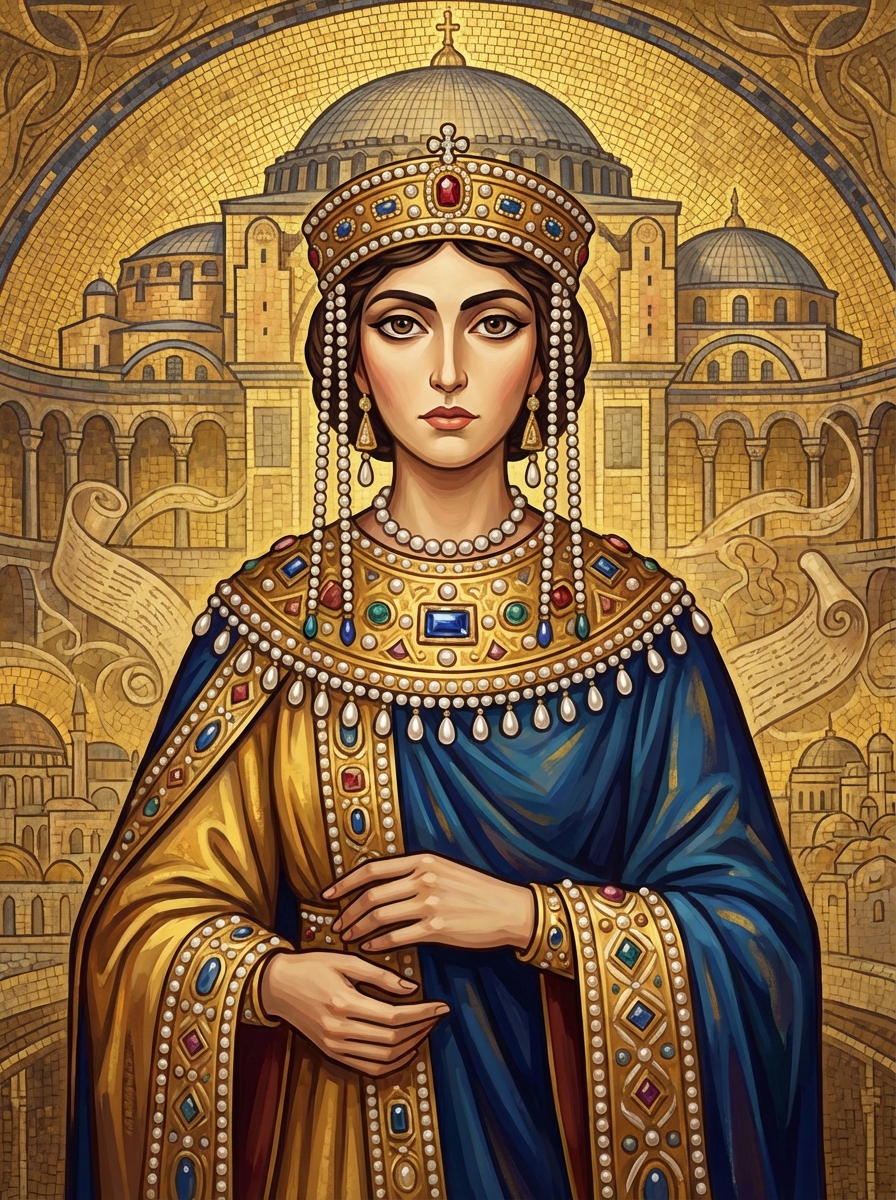
Empress Jingū was a legendary Japanese regent who ruled following her husband's death, famous for leading an invasion of the Korean peninsula without shedding a drop of blood. As a shamaness-queen, she is celebrated in folklore for her martial prowess and for carrying her son, the future Emperor Ōjin, for three years to ensure victory before his birth. She represents the intersection of divine will, motherhood, and military leadership in ancient Japanese history.

Explore Empress Jingū’s profile
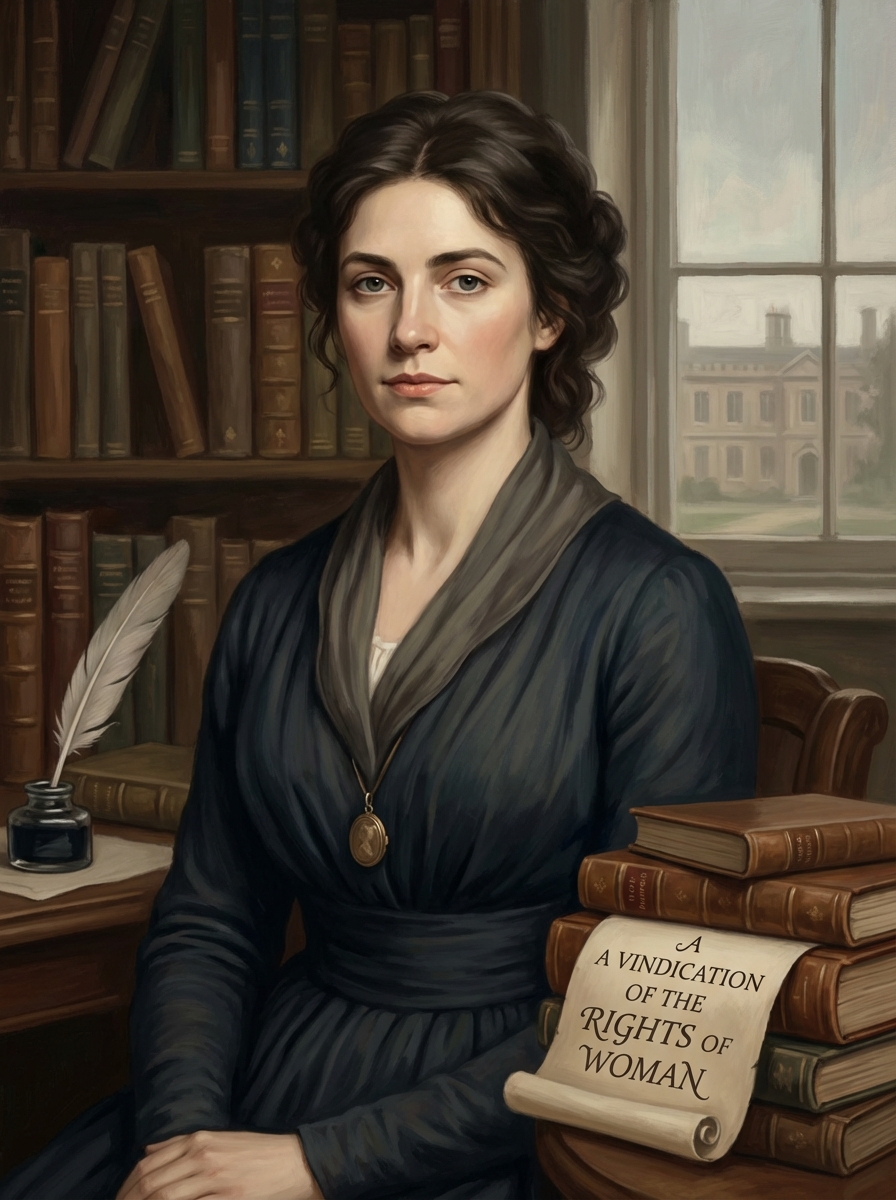
Mary Wollstonecraft

Mary Wollstonecraft

Philosopher & Writer

Mary Wollstonecraft was a pioneering English writer, philosopher, and advocate for women's rights who dared to challenge the patriarchal norms of the 18th century. Best known for her seminal work "A Vindication of the Rights of Woman," she argued that women are not naturally inferior to men but appear so only due to a lack of education. Her fearless life and intellectual legacy laid the foundational stones for modern feminism.

Explore Mary Wollstonecraft’s profile
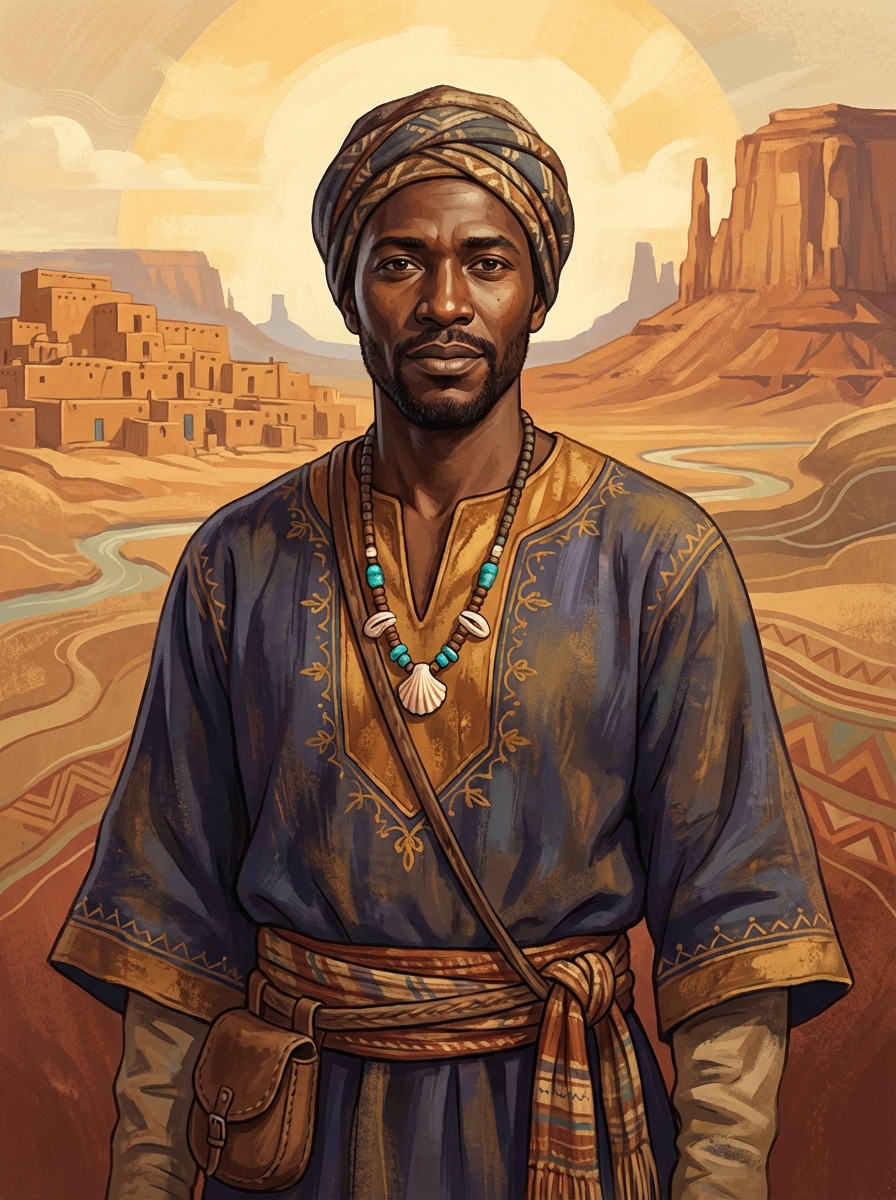
Estevanico

Estevanico

Moroccan Explorer of the Americas

Estevanico was the first African explorer of North America and one of only four survivors of the disastrous Narváez expedition in the 16th century. Renowned for his linguistic talents and cultural adaptability, he traversed the American Southwest as a diplomat and healer, acting as the vanguard for contacts with Indigenous peoples. His legendary journey laid the groundwork for the search for the Seven Cities of Gold and remains a testament to resilience and the human spirit.

Explore Estevanico’s profile
Louisa May Alcott

Louisa May Alcott

American Novelist

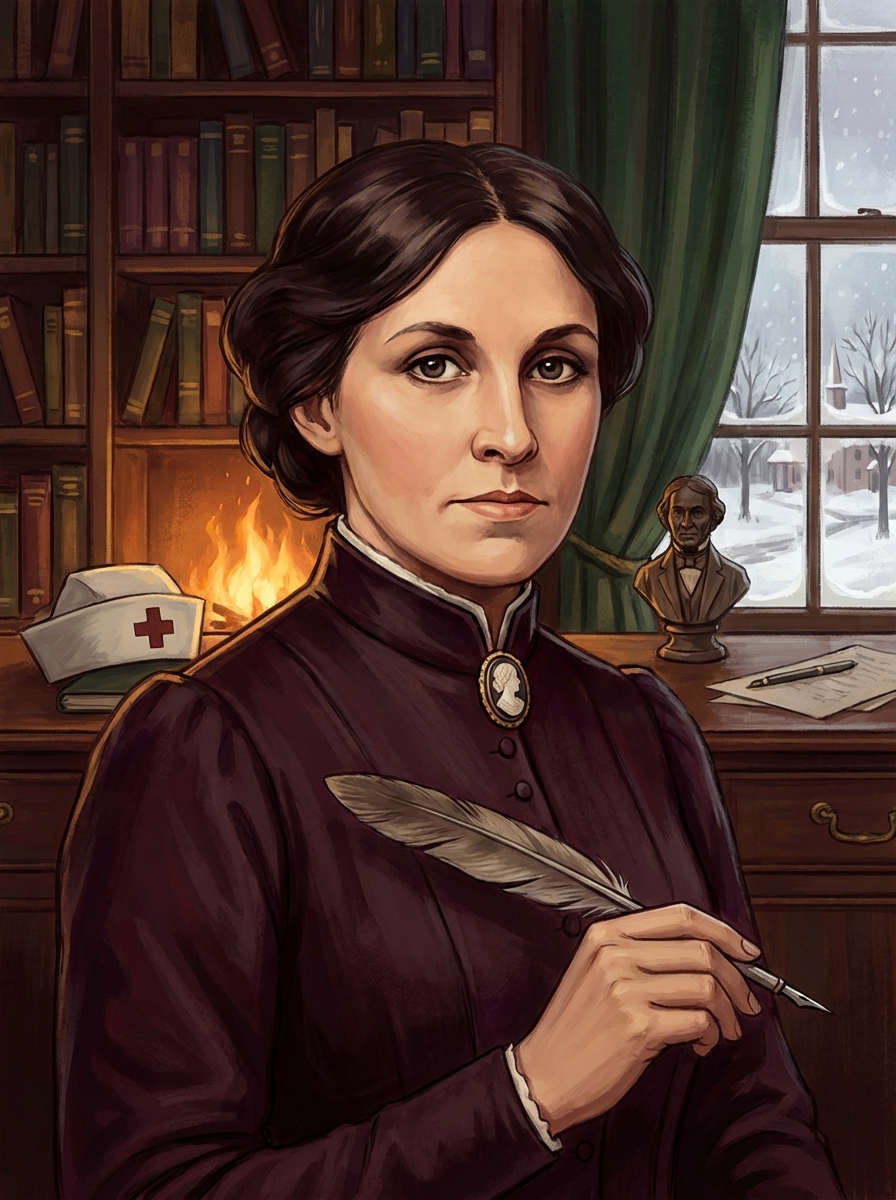
Louisa May Alcott was a pioneering American novelist and poet best known for her semi-autobiographical classic, 'Little Women,' which redefined domestic literature by giving voice to the ambitions of young women. A dedicated abolitionist, feminist, and Civil War nurse, she wrote with both moral fortitude and spirited realism to support her family. Her legacy endures as a symbol of female independence and literary resilience in 19th-century America.

Explore Louisa May Alcott’s profile