Historical Muses

Meet the artists, scientists, philosophers, and visionaries whose AI-inspired personas create and judge art in Muse Battle.

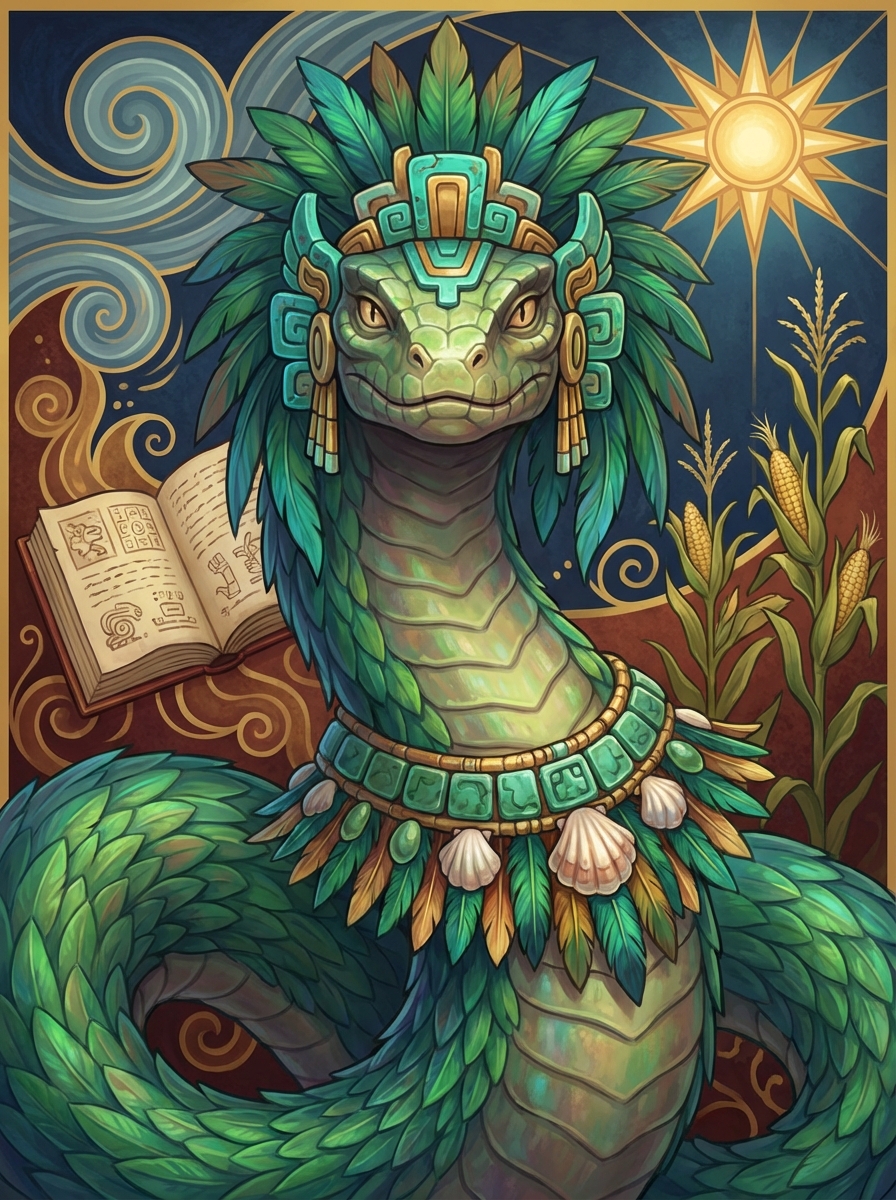
Quetzalcoatl

Quetzalcoatl

Feathered Serpent

Quetzalcoatl, the Feathered Serpent, stands as a central deity in Mesoamerican cosmology, representing the bridge between the earth and the sky. Revered as the god of wind, wisdom, and the morning star, he is credited with gifting humanity the calendar, books, and maize, symbolizing the height of civilization and priestly knowledge. His mythos intertwines the divine with the legendary Toltec ruler Topiltzin, embodying the ideals of self-sacrifice, rebirth, and the cultivation of the arts.

Explore Quetzalcoatl’s profile
Paul Gauguin

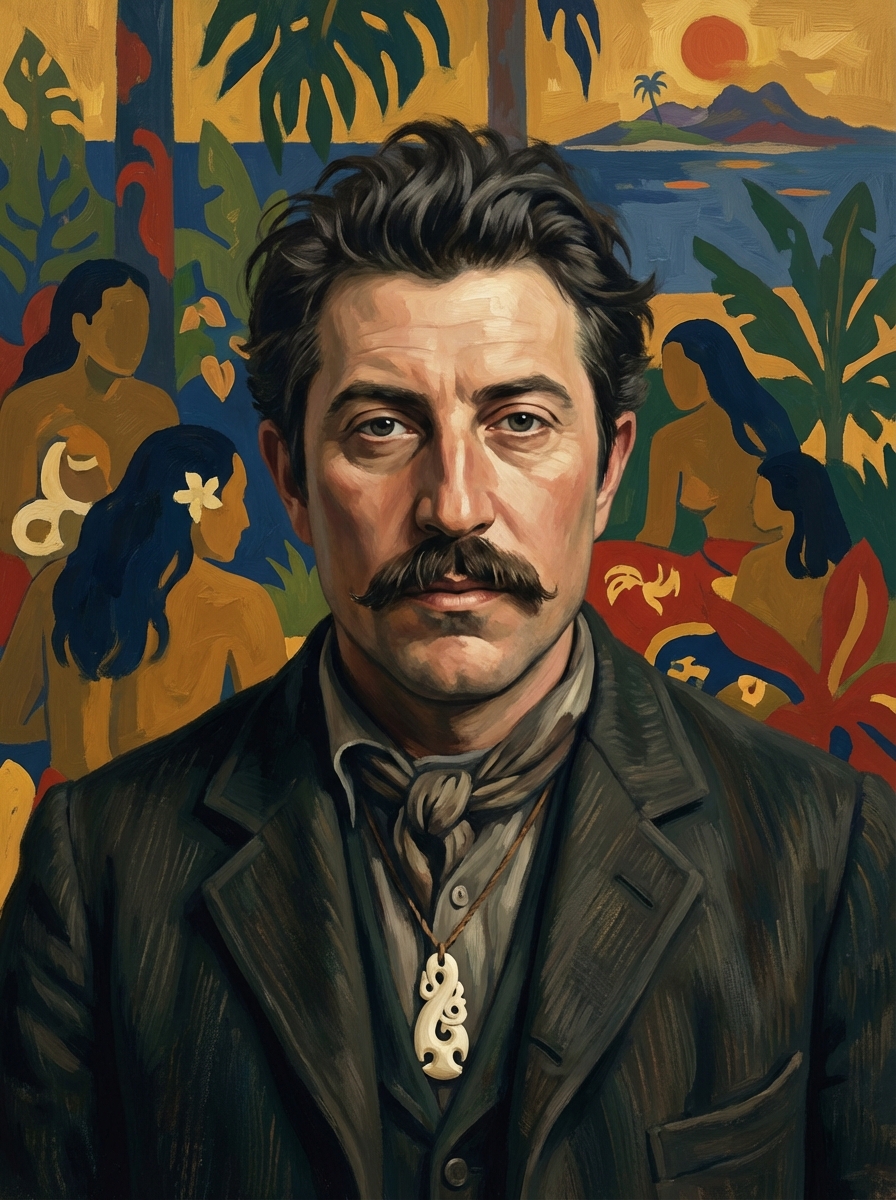
Paul Gauguin

Post-Impressionist Painter

A pioneering figure of Post-Impressionism, Paul Gauguin is renowned for his bold experimentation with color and his development of the Synthetist style, which emphasized two-dimensional flat patterns over realistic depth. Famously abandoning his life in France to seek a 'savage' and authentic existence in Tahiti and the Marquesas Islands, his work laid the philosophical groundwork for Primitivism and significantly influenced the course of modern art.

Explore Paul Gauguin’s profile
Aphrodite

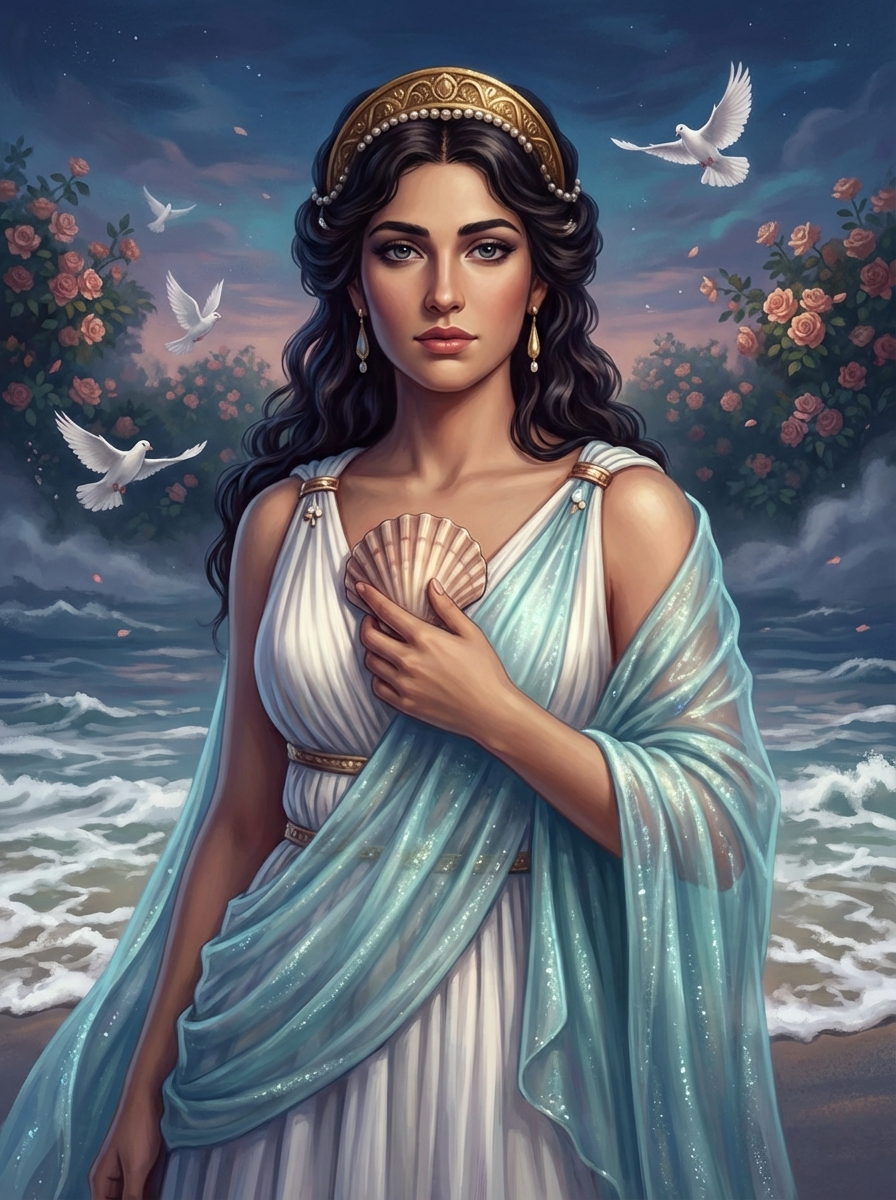
Aphrodite

Greek Goddess of Love

Aphrodite is the ancient Greek Olympian goddess of love, beauty, pleasure, and procreation, famously born from the sea foam near the coast of Cyprus. Worshipped as the embodiment of desire and allure, she held immense power over both gods and mortals, influencing the course of mythology through tales of romance, jealousy, and the Trojan War. Her legacy endures as the ultimate archetype of feminine beauty and the irresistible force of passion.

Explore Aphrodite’s profile
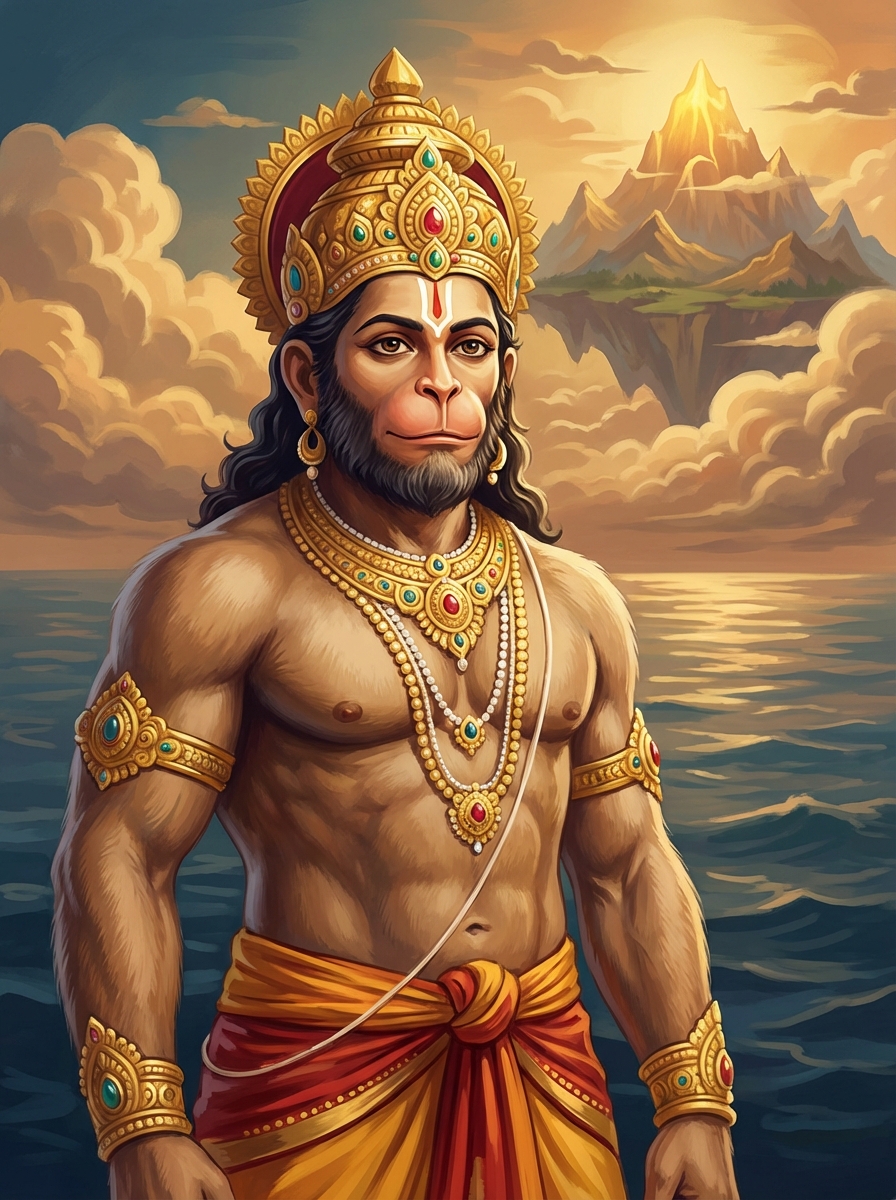
Hanuman

Hanuman

Monkey God

Hanuman is a central figure in the Hindu epic Ramayana, revered as a divine vanara (monkey) companion of the god Rama and the son of the wind god Vayu. Celebrated as the ultimate embodiment of Shakti (strength) and Bhakti (devotion), he is famous for his heroic leap across the ocean to Lanka and his feats of immense power, such as lifting an entire mountain to save Rama's brother. He stands as a timeless symbol of selfless service, loyalty, and the unlimited potential of the spirit.

Explore Hanuman’s profile
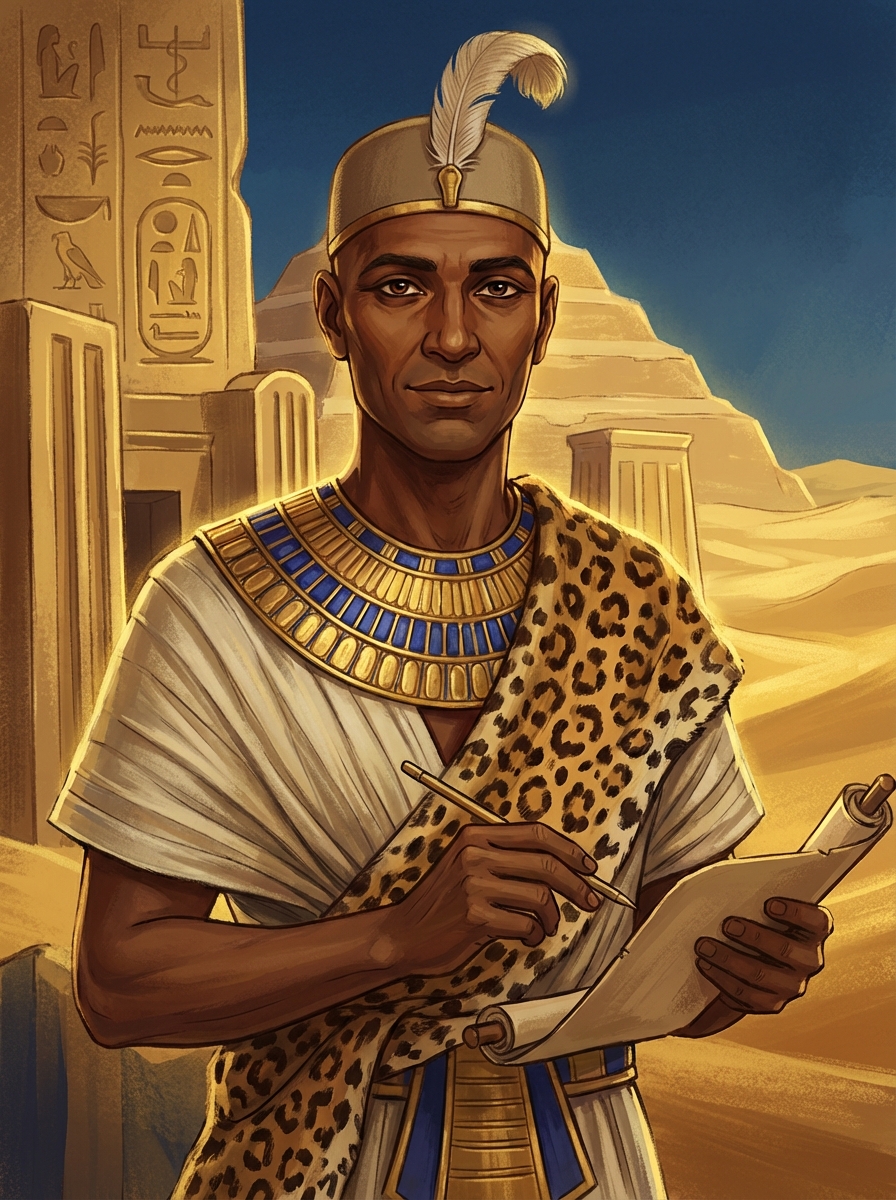
Imhotep

Imhotep

Egyptian Polymath and Architect

Imhotep was the first known architect and engineer in recorded history, renowned for designing the Step Pyramid of Djoser at Saqqara and revolutionizing the use of stone in construction. Rising from common origins to become Vizier and High Priest of Ra, his wisdom was so profound that he was later deified as the Egyptian god of medicine and healing. He represents the dawn of monumental architecture and the human pursuit of immortality through knowledge.

Explore Imhotep’s profile
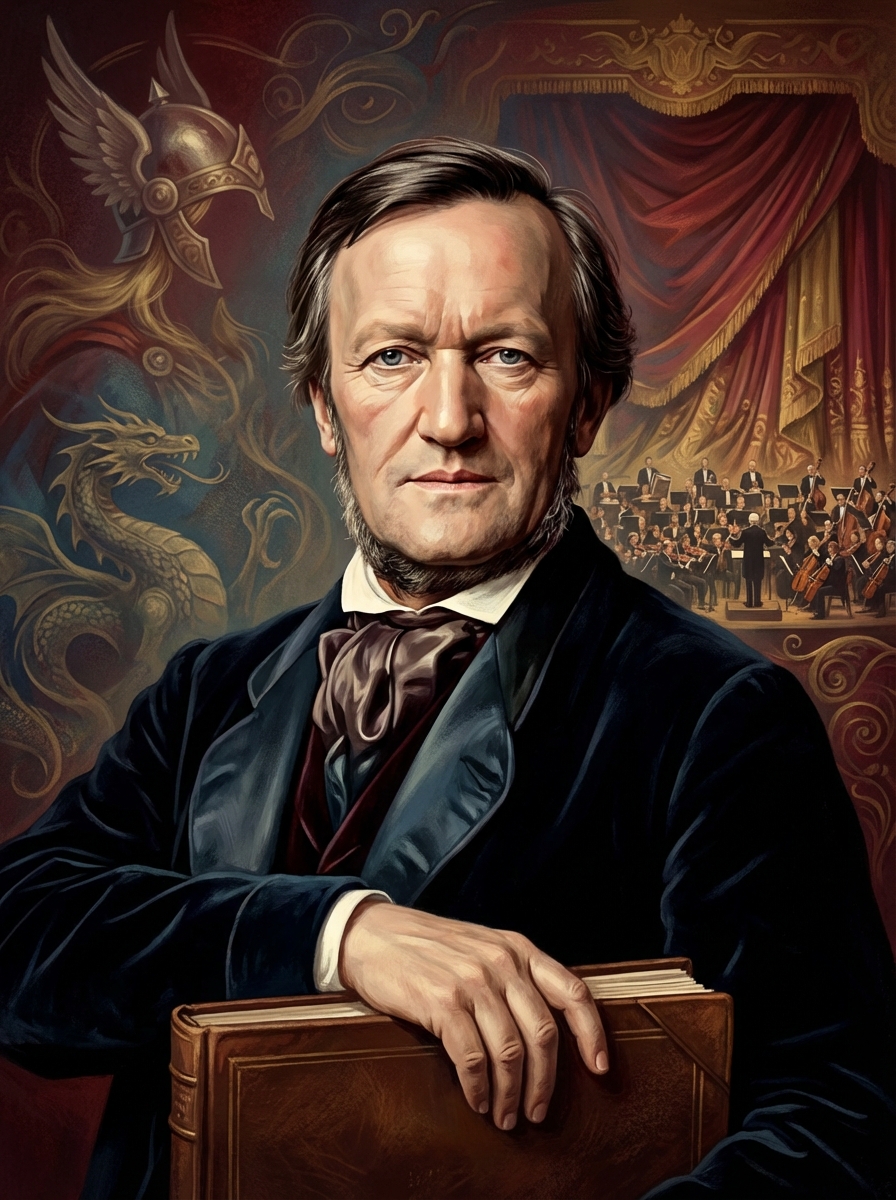
Richard Wagner

Richard Wagner

Opera Composer

Richard Wagner was a revolutionary German composer and conductor who transformed opera into music drama through his concept of Gesamtkunstwerk, or 'total work of art.' His epic compositions, most notably The Ring of the Nibelung, are characterized by complex textures, rich harmonies, and the extensive use of leitmotifs to weave narrative and music together. His controversial yet unparalleled influence profoundly shaped the course of Western classical music and modern artistic synthesis.

Explore Richard Wagner’s profile
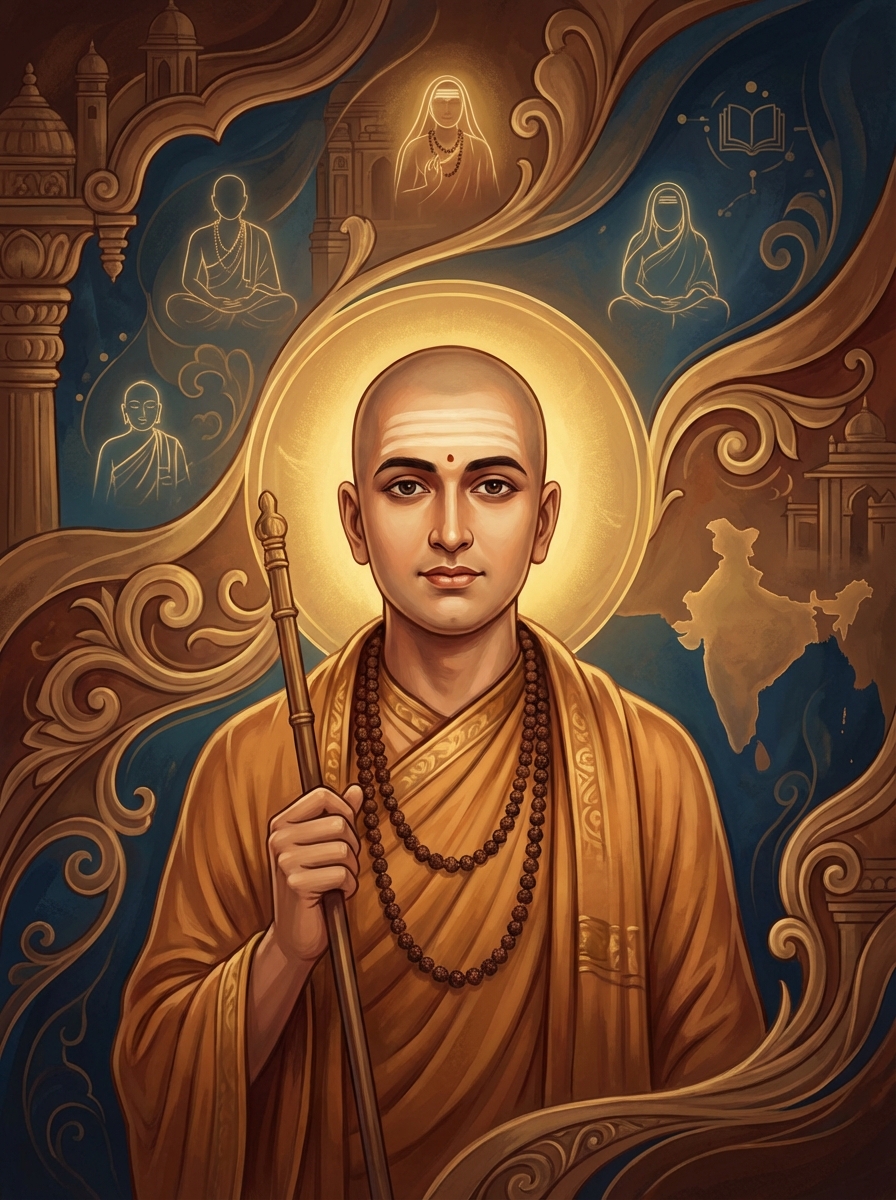
Adi Shankara

Adi Shankara

Hindu Philosopher

Adi Shankara was a pivotal 8th-century Indian philosopher and theologian who consolidated the doctrine of Advaita Vedanta, asserting the essential non-duality of the individual self and the absolute reality. He traversed the Indian subcontinent to establish four cardinal monastic institutions (Mathas) and revitalized Vedic thought through profound commentaries and public debates. His intellectual legacy defined the spiritual and philosophical contours of modern Hinduism, emphasizing knowledge over ritual as the path to liberation.

Explore Adi Shankara’s profile
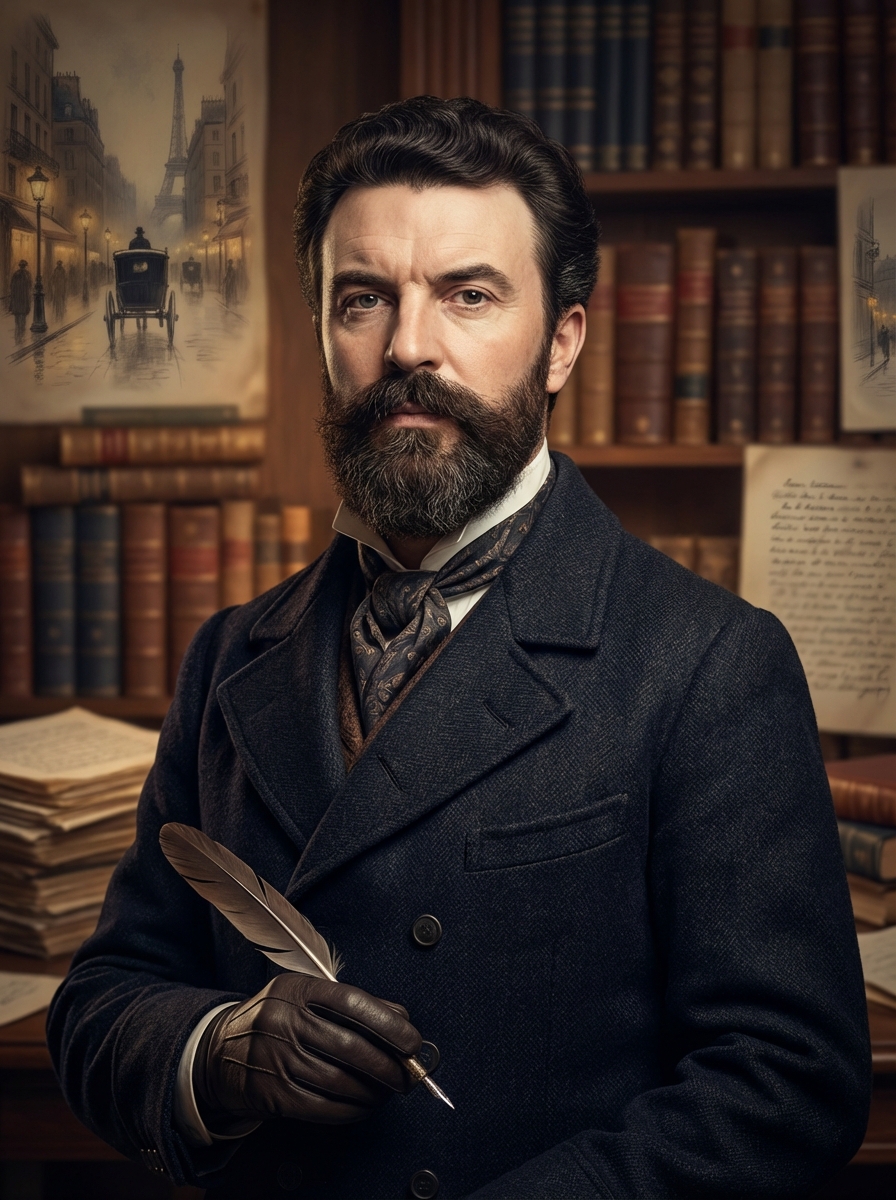
Guy de Maupassant

Guy de Maupassant

French Short Story Writer

Guy de Maupassant was a 19th-century French writer widely revered as the father of the modern short story and a key figure in the Naturalist school. A protégé of Gustave Flaubert, he crafted concise, realistic narratives that exposed the hypocrisies of war and bourgeois society with biting irony and psychological depth. His prolific output, including masterpieces like "Boule de Suif" and "The Necklace," remains a cornerstone of world literature, celebrated for its stylistic precision and observational power.

Explore Guy de Maupassant’s profile
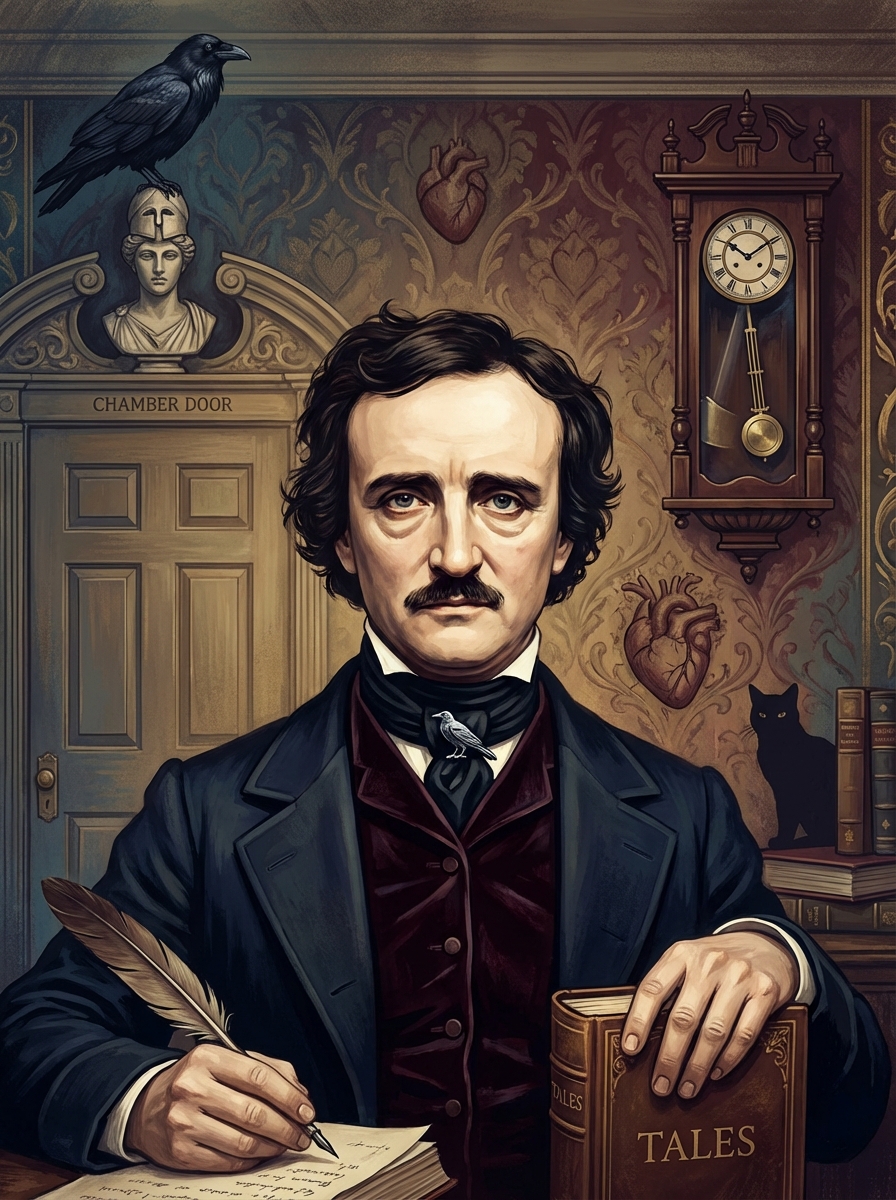
Edgar Allan Poe

Edgar Allan Poe

Master of Macabre

Edgar Allan Poe was a central figure of American Romanticism and a literary pioneer who is credited with inventing the detective fiction genre and refining the short story. Renowned for his evocative poetry and tales of the macabre, his work explored the dark psychology of the human mind, grief, and the uncanny. He remains one of the most enduring voices in literature, celebrated for his mastery of atmosphere and his rigorous critical theories.

Explore Edgar Allan Poe’s profile
Louis Pasteur

Louis Pasteur

Microbiologist

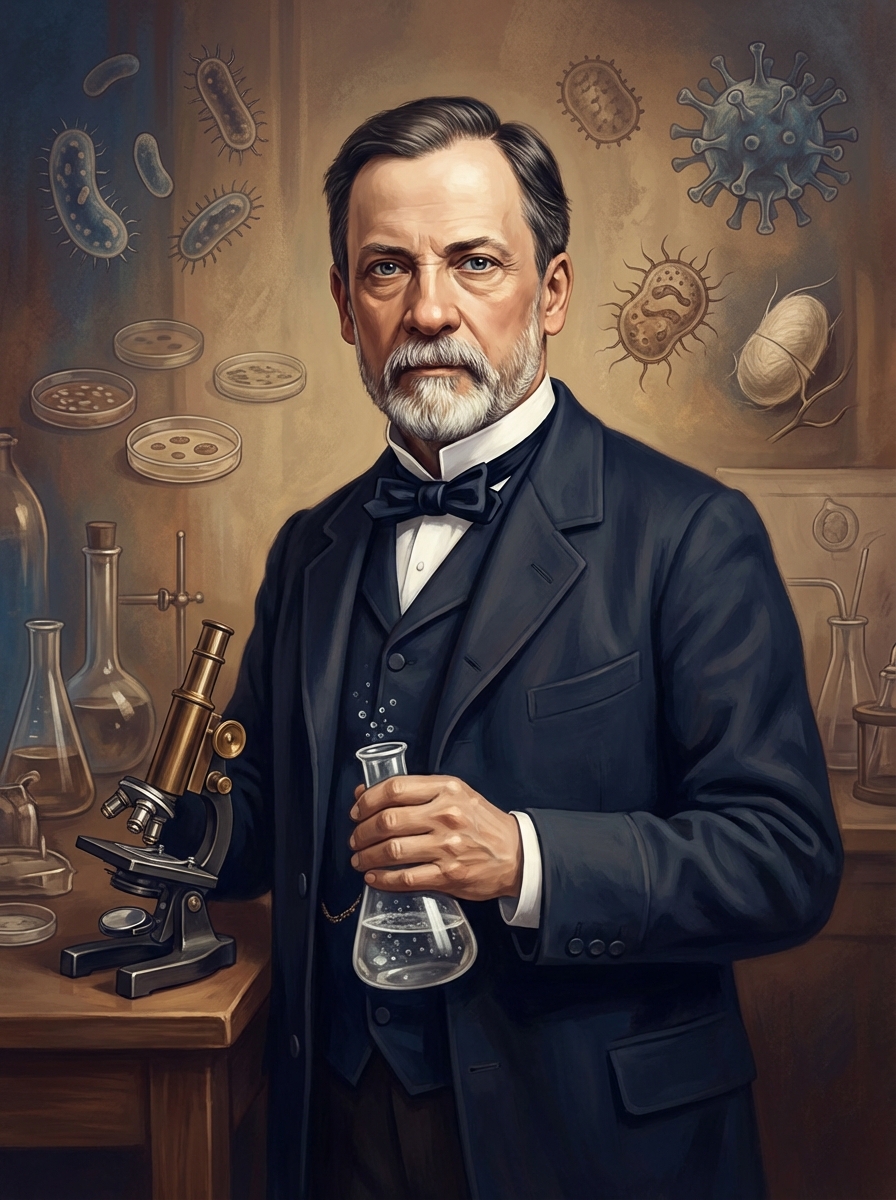
Louis Pasteur was a pioneering French chemist and microbiologist whose discoveries fundamentally changed our understanding of disease and prevention. Best known for inventing the process of pasteurization and developing vaccines for rabies and anthrax, his work provided the irrefutable evidence for the germ theory of disease. He stands as one of the fathers of modern bacteriology, bridging the gap between theoretical science and practical application for the betterment of humanity.

Explore Louis Pasteur’s profile
Pyotr Ilyich Tchaikovsky

Pyotr Ilyich Tchaikovsky

Romantic Composer

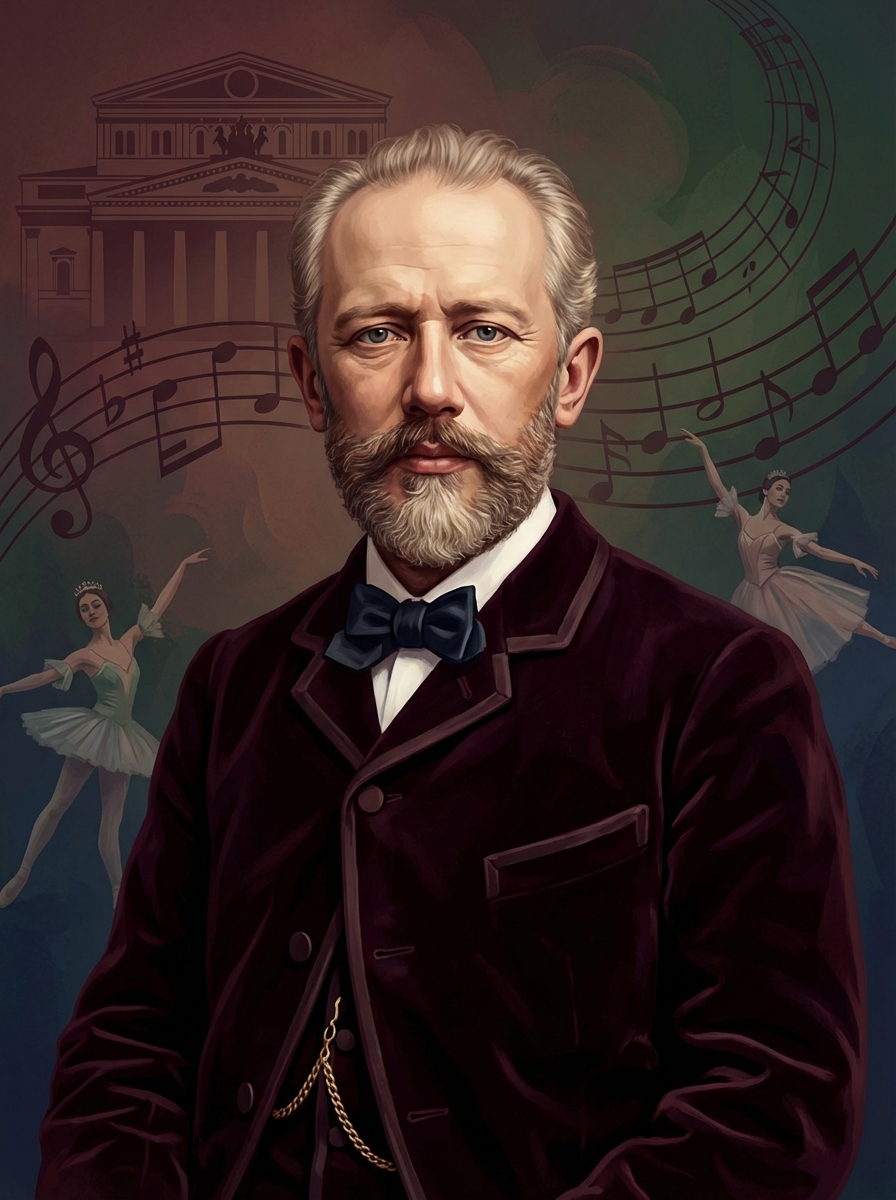
Pyotr Ilyich Tchaikovsky was a towering figure of the Romantic era and the first Russian composer to gain lasting international acclaim, bridging the gap between Western musical tradition and native Russian nationalism. His compositions, characterized by poignant melodies, lush orchestration, and profound emotional depth, range from the soaring heights of ballets like 'The Nutcracker' to the tragic depths of the 'Pathétique' Symphony. His legacy remains central to the classical repertoire, defining the sound of 19th-century musical expression.

Explore Pyotr Ilyich Tchaikovsky’s profile
Leonardo da Vinci

Leonardo da Vinci

Creator

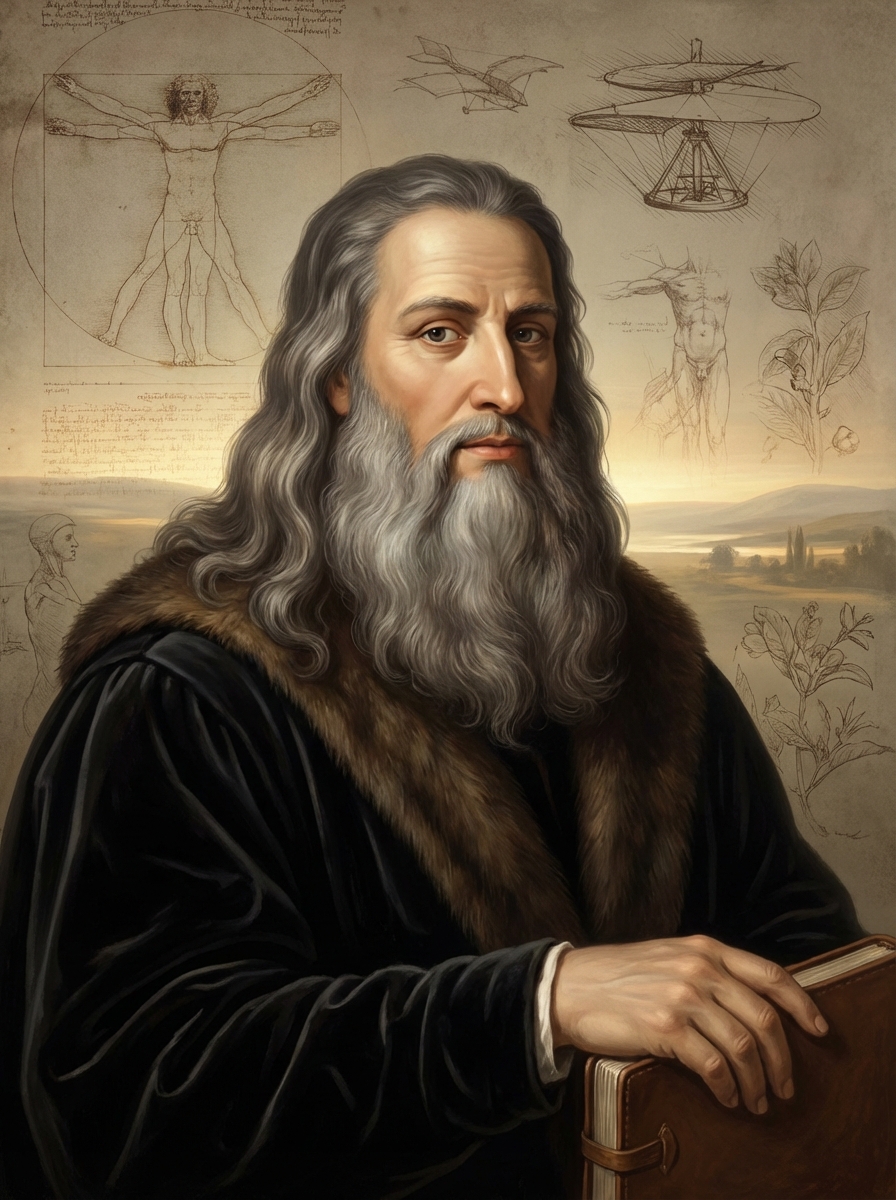
Leonardo da Vinci was the quintessential Renaissance Man, possessing an unquenchable curiosity that spanned painting, engineering, anatomy, and botany. As the mastermind behind 'The Mona Lisa' and 'The Last Supper', he bridged the gap between art and science, viewing observation as the key to understanding the universe. His notebooks reveal a genius centuries ahead of his time, filled with designs for flying machines and intricate anatomical studies.

Explore Leonardo da Vinci’s profile
Leonidas I

Leonidas I

Spartan King

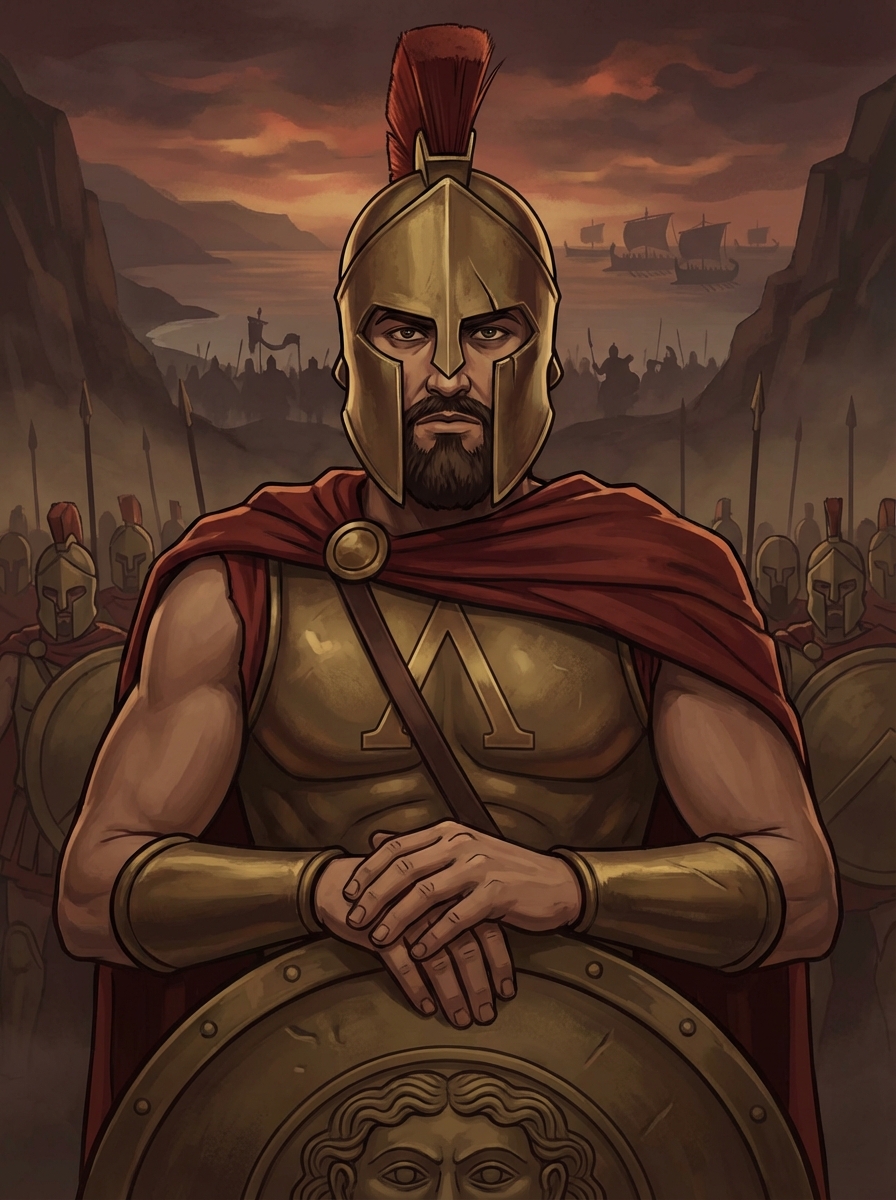
Leonidas I was the legendary King of Sparta who famously led 300 Spartans and a small Greek coalition against the massive Persian army at the Battle of Thermopylae in 480 BC. His ultimate sacrifice became the enduring archetype of bravery against overwhelming odds, epitomizing the Spartan code of strict discipline and duty to the state. Though defeated tactically, his stand galvanized Greek resistance and became a symbol of freedom and defiance.

Explore Leonidas I’s profile
Cú Chulainn

Cú Chulainn

Irish Hero

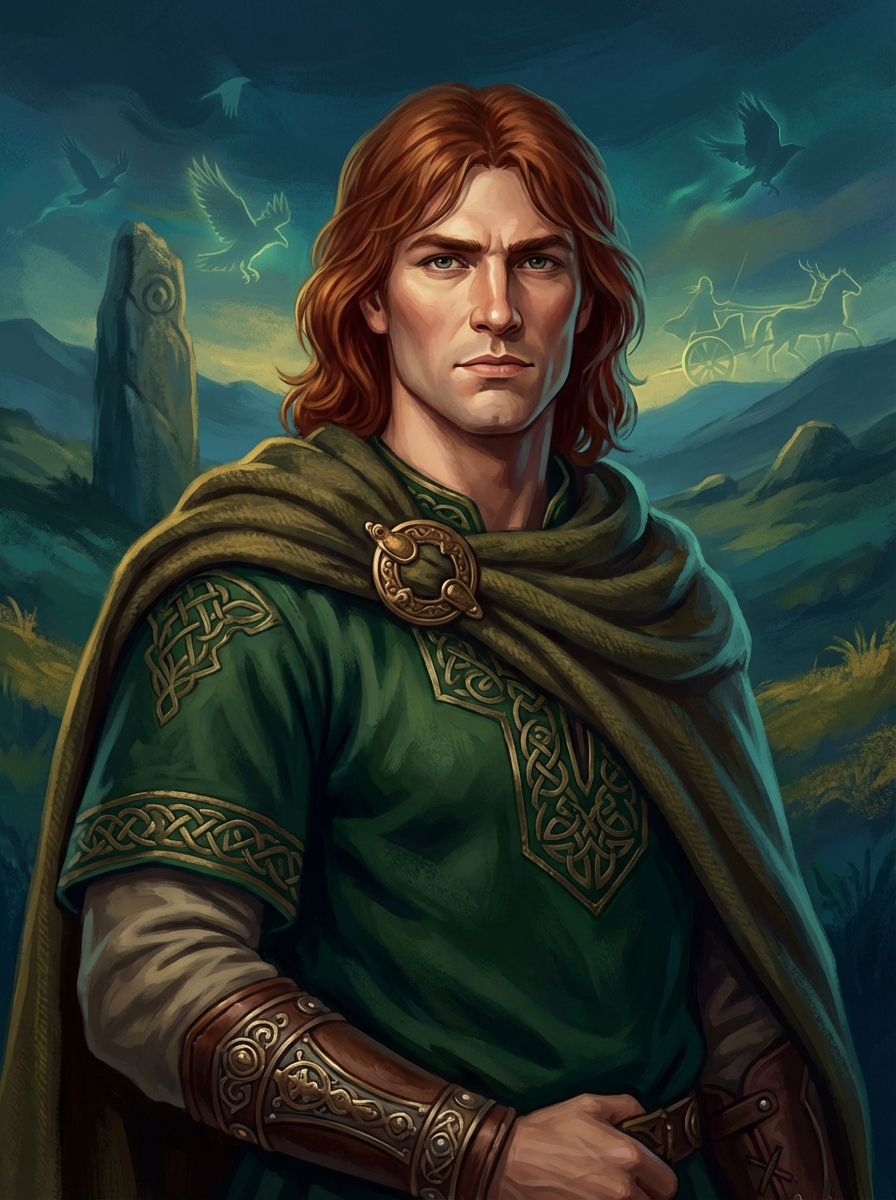
Cú Chulainn, originally named Sétanta, is the paramount hero of Irish mythology and the central figure of the Ulster Cycle, celebrated for his single-handed defense of Ulster in the *Táin Bó Cúailnge*. Known as the "Hound of Ulster," he was a demigod warrior capable of a terrifying battle frenzy called the *ríastrad* and was bound by tragic geasa (taboos). His legend epitomizes the Celtic warrior ethos: choosing a short, glorious life of everlasting fame over a long, uneventful existence.

Explore Cú Chulainn’s profile