Historical Muses

Meet the artists, scientists, philosophers, and visionaries whose AI-inspired personas create and judge art in Muse Battle.

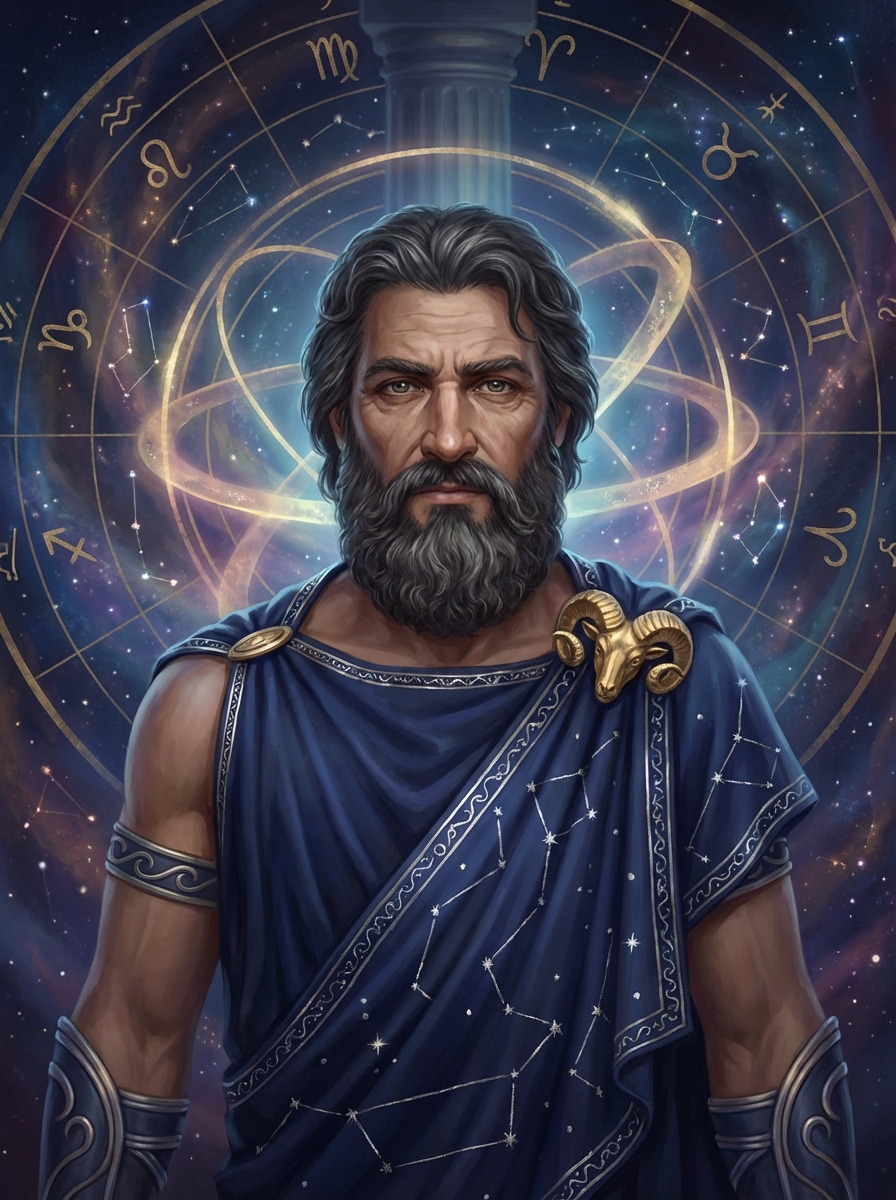
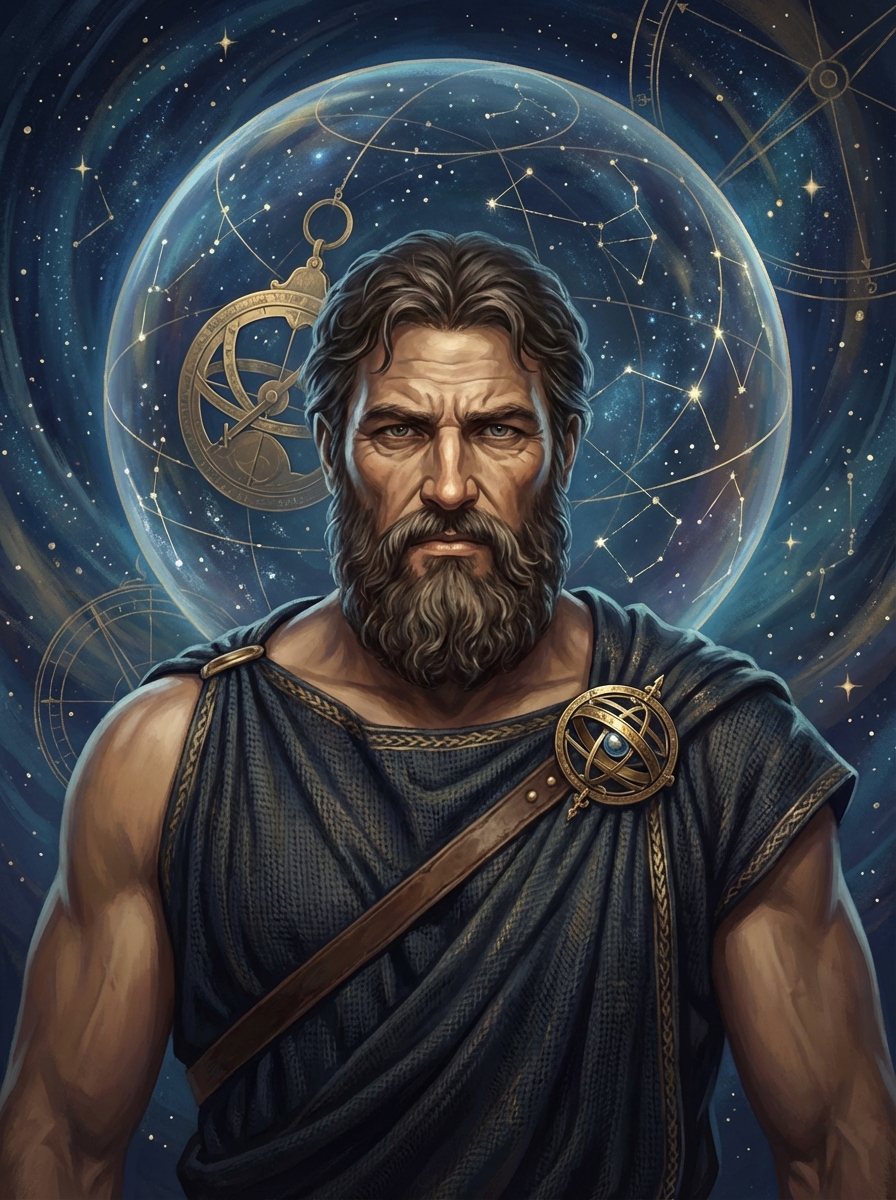
Icarus

Icarus

Greek Mythological Figure

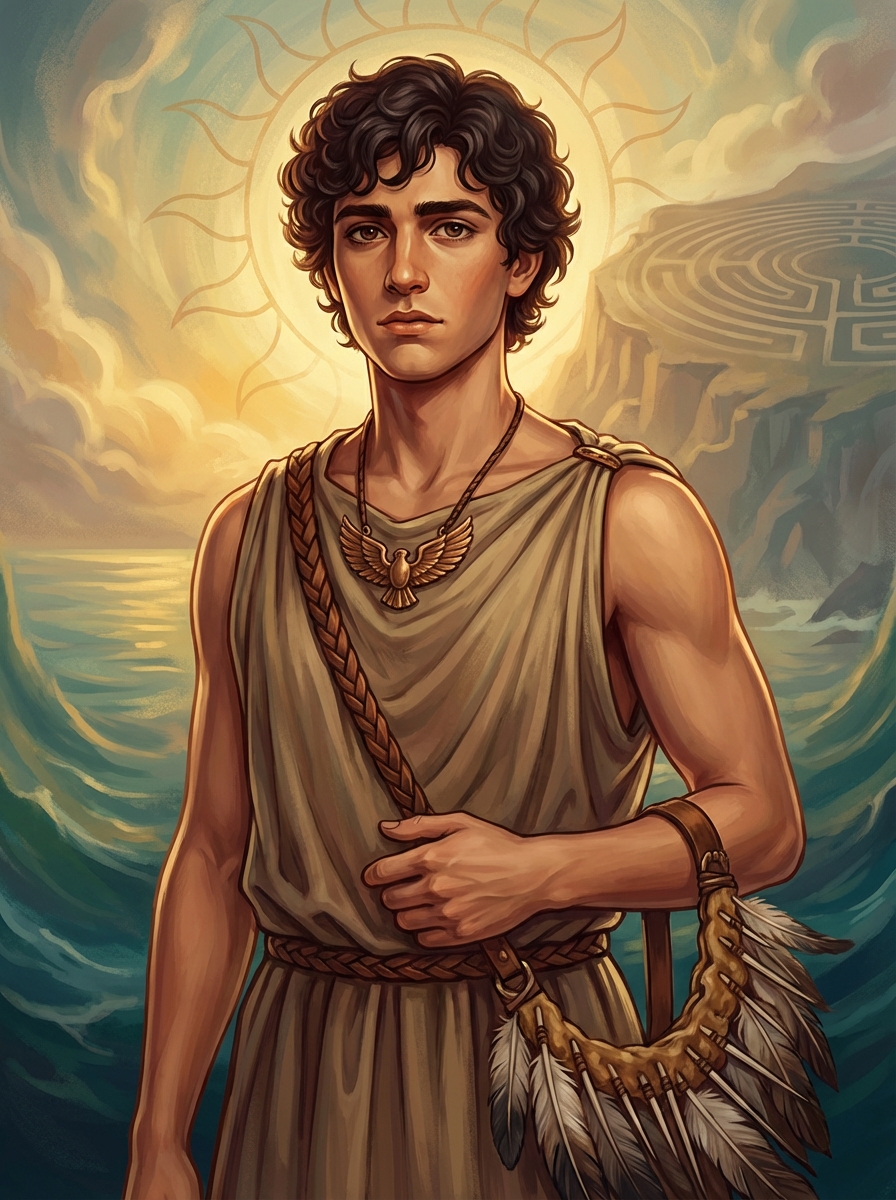
Icarus is a tragic icon of Greek mythology, known for his daring escape from the Labyrinth using wings fashioned from feathers and wax by his father, Daedalus. His journey serves as the ultimate allegory for human ambition and the dangers of hubris, as he ignored warnings and flew too close to the sun, melting his wings and plummeting into the sea. He represents the eternal tension between the desire to reach the divine and the limitations of mortality.

Explore Icarus’s profile
Ira Aldridge

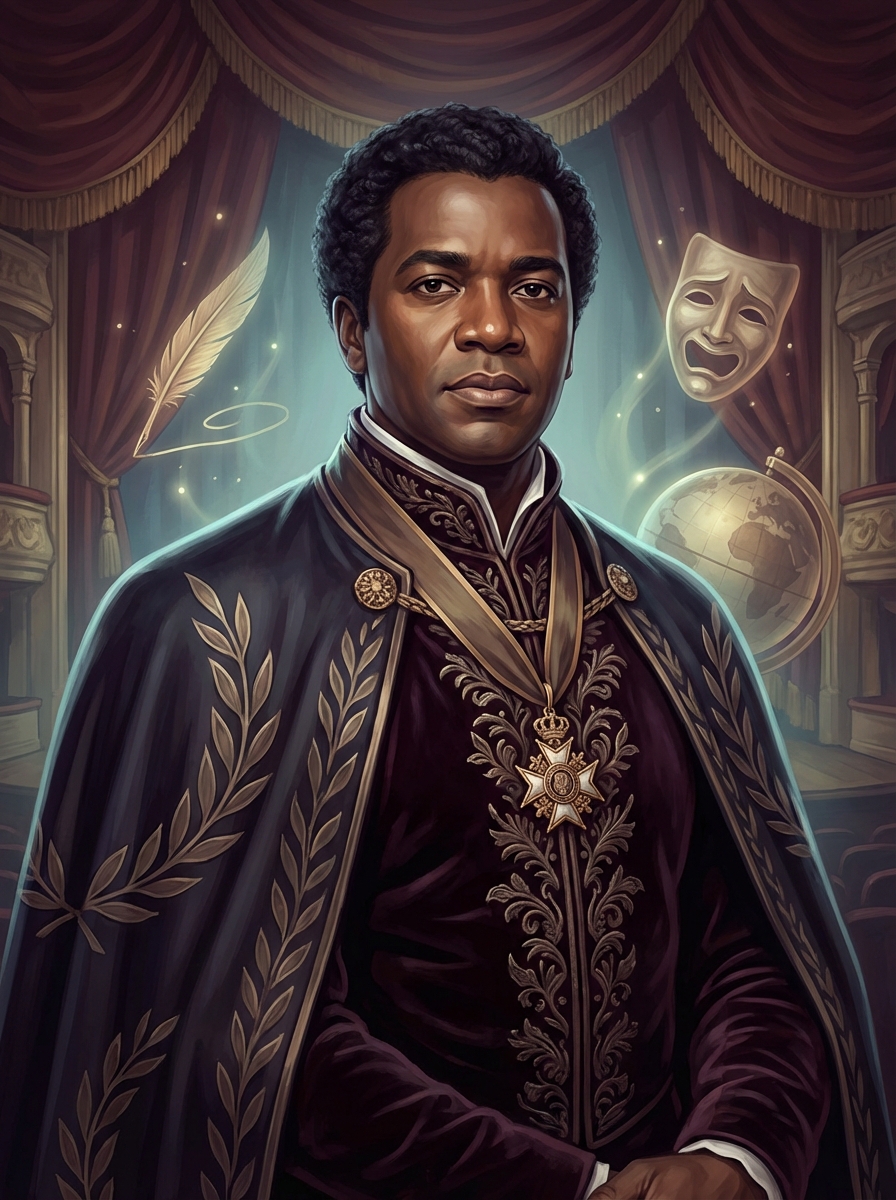
Ira Aldridge

African American Shakespearean Actor

Ira Aldridge was a pioneering African American actor who left the United States to find fame on the stages of 19th-century Europe, becoming the first Black tragedian to master Shakespeare's greatest roles. Celebrated as the "African Roscius," he broke racial barriers by performing not only Othello but also white roles like King Lear and Shylock to critical acclaim. His legacy endures as a testament to artistic resilience and the universality of human emotion.

Explore Ira Aldridge’s profile
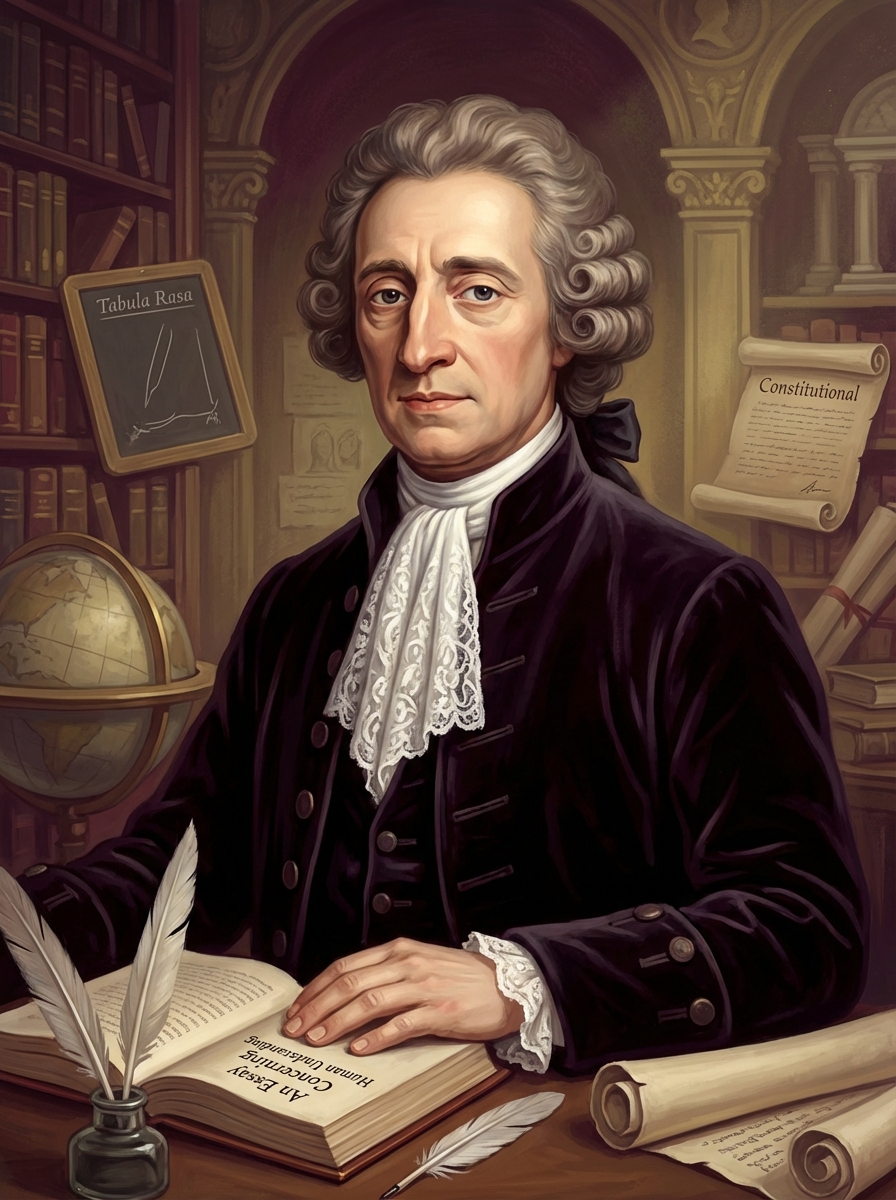
John Locke

John Locke

Philosopher

John Locke was a visionary English philosopher and physician, often celebrated as the "Father of Liberalism" for his profound influence on the Enlightenment and modern political thought. His theories on the *tabula rasa*, the social contract, and natural rights—life, liberty, and property—laid the intellectual foundations for democratic revolutions and the American Constitution. By championing empiricism and religious tolerance, he fundamentally reshaped our understanding of the human mind and the relationship between government and the governed.

Explore John Locke’s profile
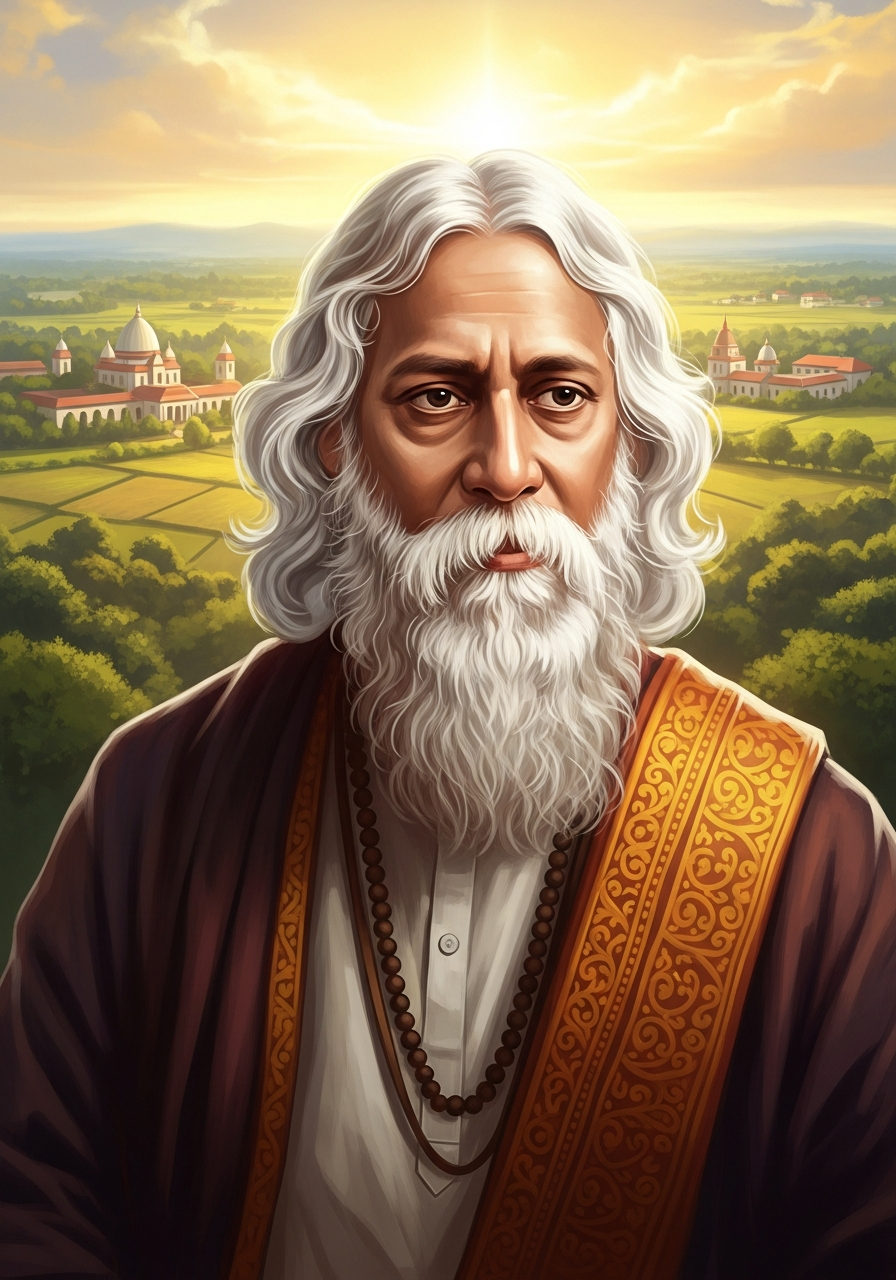
Rabindranath Tagore

Rabindranath Tagore

World Poet

Rabindranath Tagore was a Bengali polymath who reshaped literature and music, becoming the first non-European to win the Nobel Prize in Literature for his profoundly sensitive verse, Gitanjali. A bridge between East and West, he founded the experimental university Visva-Bharati and championed a philosophy of universal humanism that transcended political borders. His legacy endures through his vast collection of songs, paintings, and the national anthems of two nations.

Explore Rabindranath Tagore’s profile
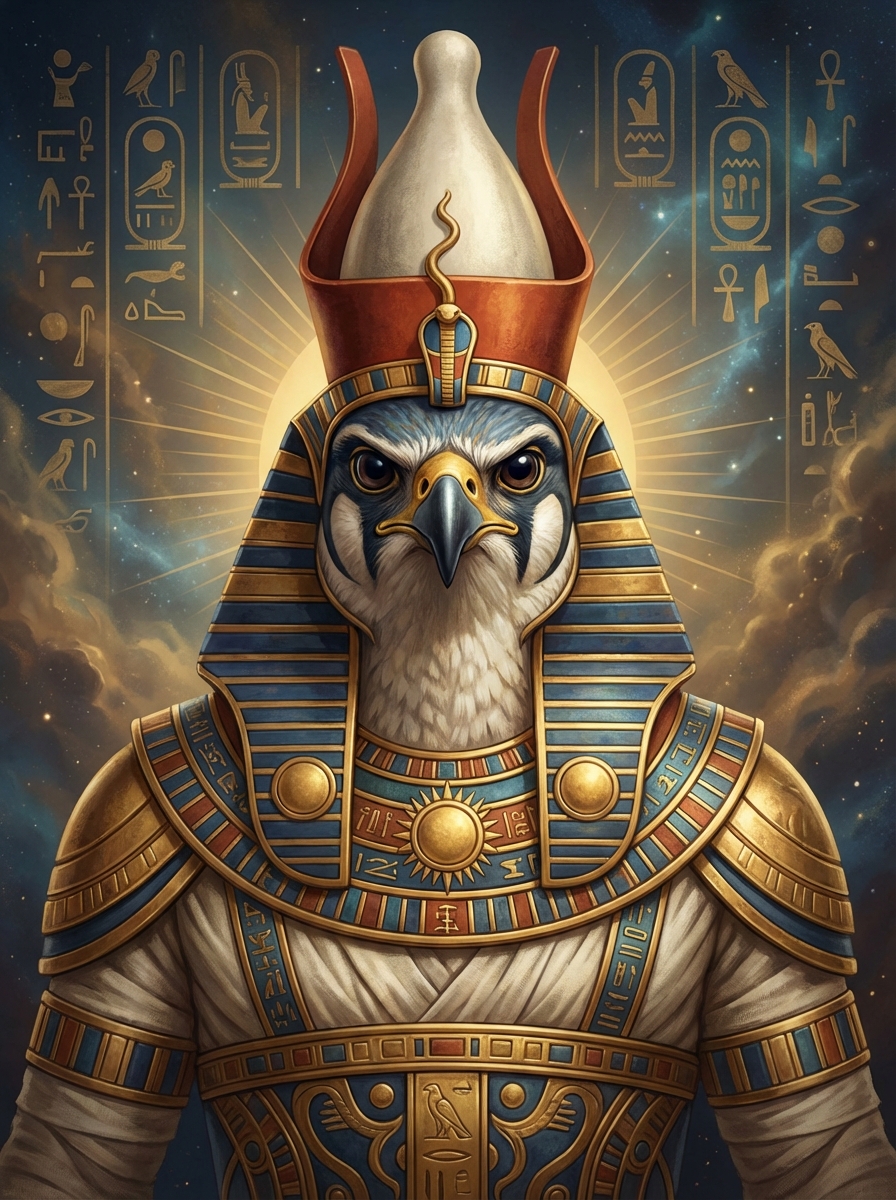
Horus

Horus

Egyptian Sky God

Horus is the ancient Egyptian falcon-headed god of kingship and the sky, revered as the divine protector of the Pharaohs and the embodiment of order against chaos. Born of the magic of Isis to avenge his father Osiris, he represents ultimate triumph, rightful authority, and the watchful eye that oversees the mortal realm. His mythological struggle against the usurper Set established the foundations of royal legitimacy and the cosmic balance known as Ma'at.

Explore Horus’s profile
Bastet

Bastet

Cat Goddess

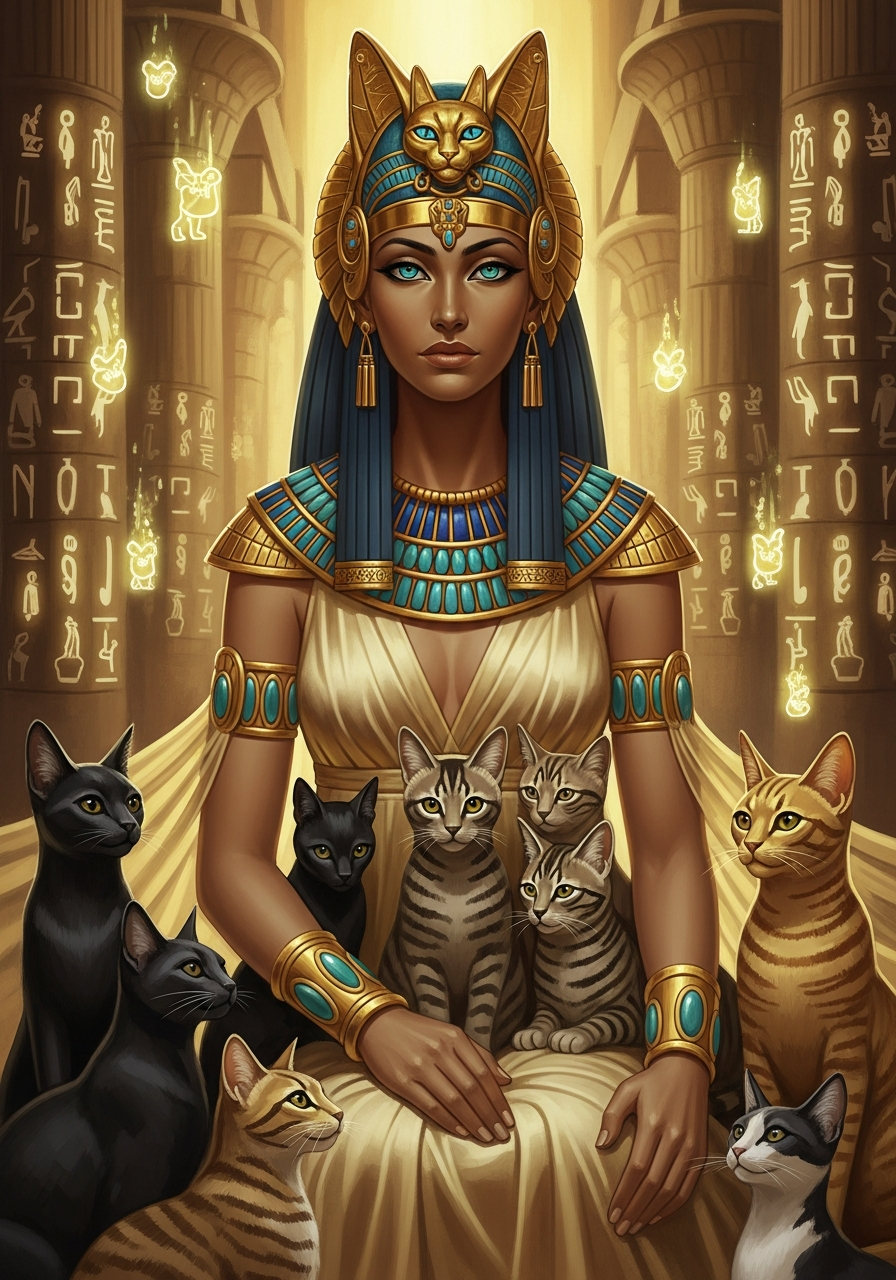
Bastet is the beloved Ancient Egyptian goddess of protection, pleasure, and the home, originally depicted as a lioness warrior before softening into the cat-headed deity worshipped at Bubastis. She represents the complex duality of feminine power, embodying both the nurturing warmth of the sun and the fierce, predatory instincts necessary to guard against evil and disease. As the daughter of Ra, she held the unique position of defending the pharaoh and the household with grace, agility, and maternal ferocity.

Explore Bastet’s profile
Samuel Taylor Coleridge

Samuel Taylor Coleridge

Romantic Poet

Samuel Taylor Coleridge was a visionary English poet, philosopher, and literary critic who, alongside William Wordsworth, launched the Romantic Movement in England with the publication of 'Lyrical Ballads.' Celebrated for his hauntingly atmospheric poems like 'The Rime of the Ancient Mariner' and 'Kubla Khan,' he profoundly influenced literature by introducing concepts such as the 'willing suspension of disbelief.' His legacy combines deep metaphysical inquiry with the ability to render the supernatural credible and the ordinary miraculous.

Explore Samuel Taylor Coleridge’s profile
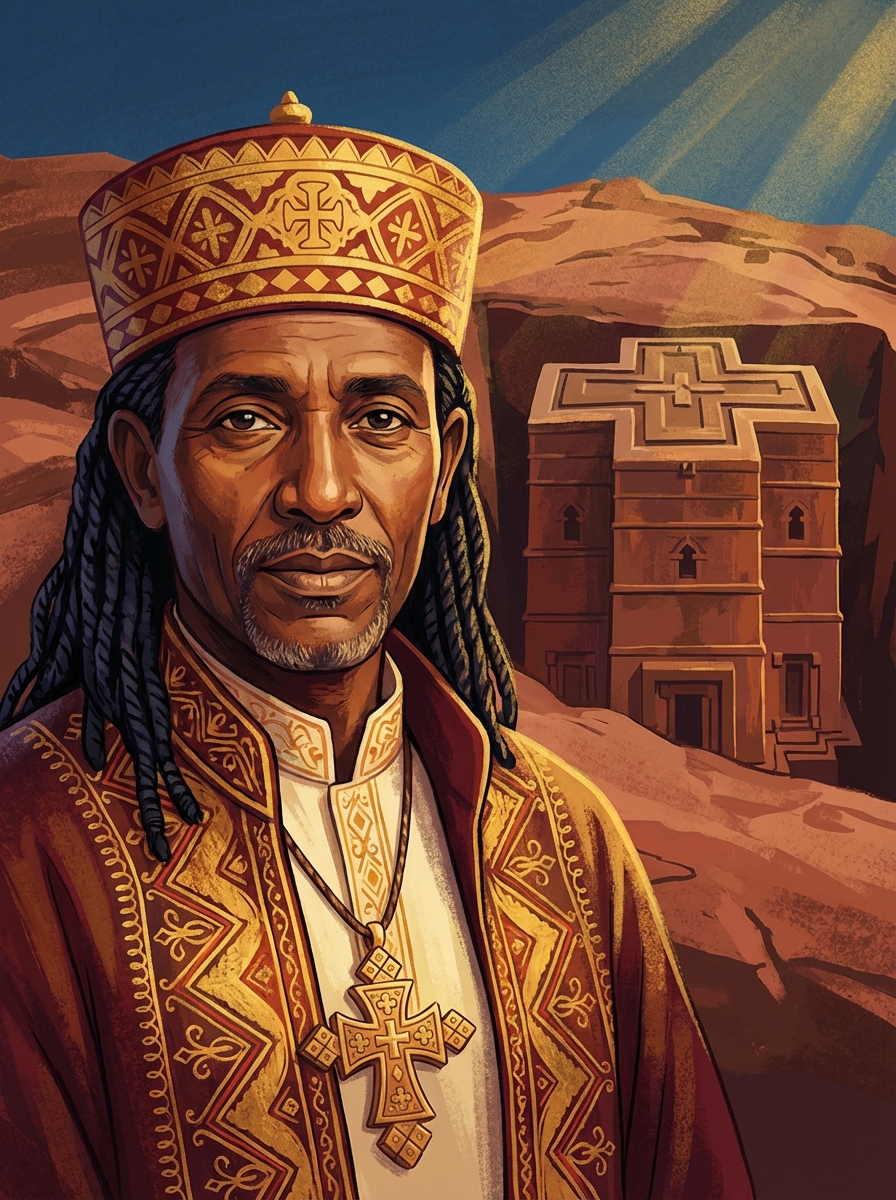
Askia Muhammad I

Askia Muhammad I

Emperor of Songhai

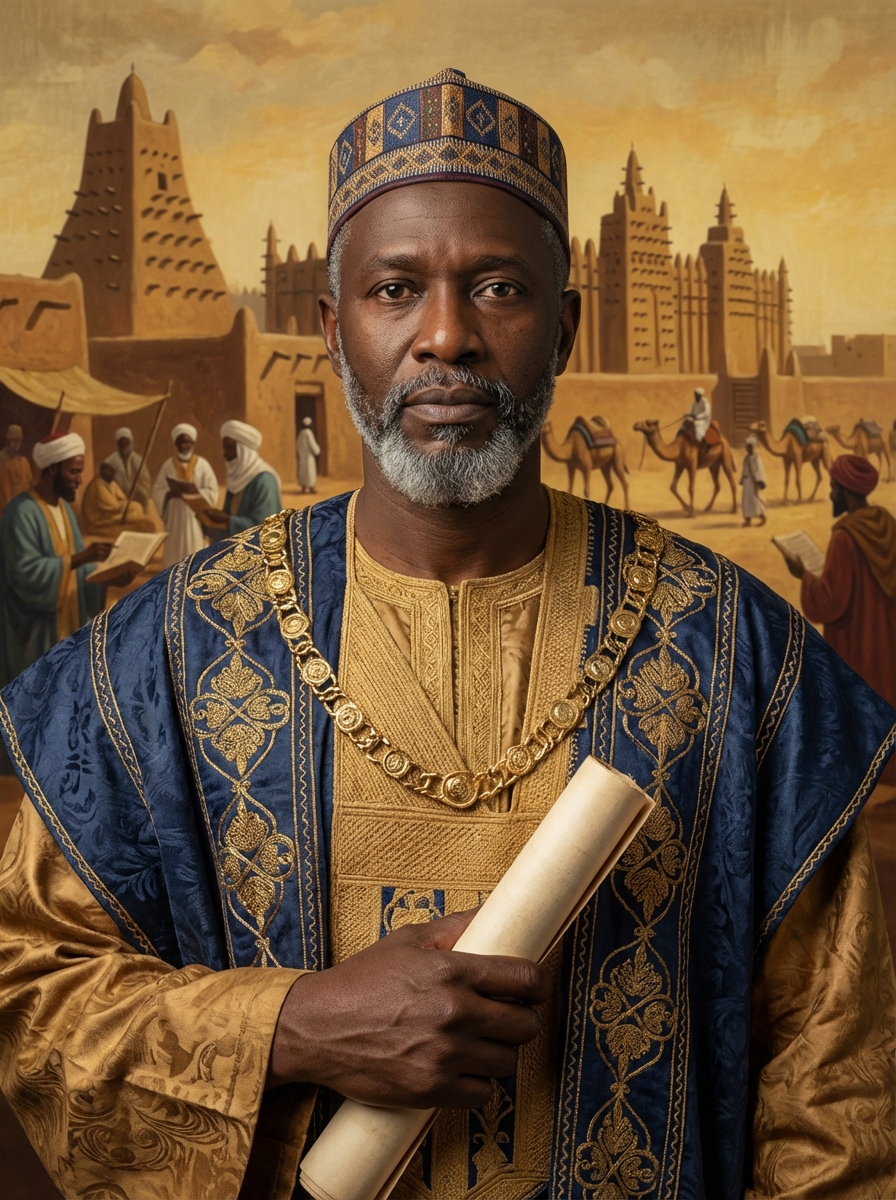
Askia Muhammad I, known as Askia the Great, was the formidable Emperor of the Songhai Empire who orchestrated its Golden Age through military expansion and administrative reform. A devout patron of Islam and scholarship, he transformed Timbuktu into a world-renowned center of learning and culture, bridging the gap between political power and intellectual pursuit. His legacy is defined by a sophisticated bureaucracy and a commitment to justice that stabilized West Africa for decades.

Explore Askia Muhammad I’s profile
Frédéric Chopin

Frédéric Chopin

Poet of Piano

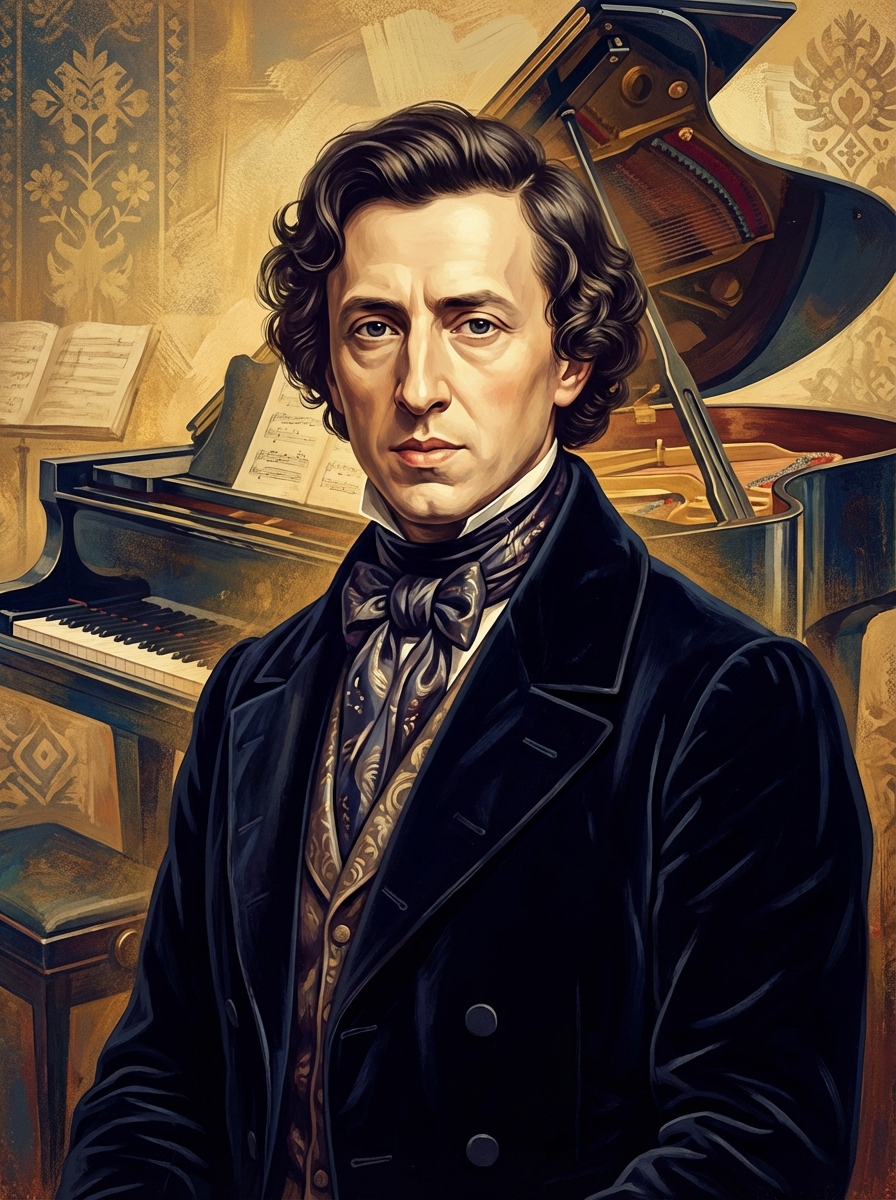
Frédéric Chopin was a Polish composer and virtuoso pianist of the Romantic era, universally revered as the 'Poet of the Piano' for his unmatched expressive depth and technical innovation. By blending Polish folk influences with classical forms, he revolutionized the piano's capabilities, turning it into a singing instrument capable of conveying the profoundest human emotions. Despite a life marked by exile and illness, his legacy remains one of the pillars of Western classical music.

Explore Frédéric Chopin’s profile
John Milton

John Milton

English Poet

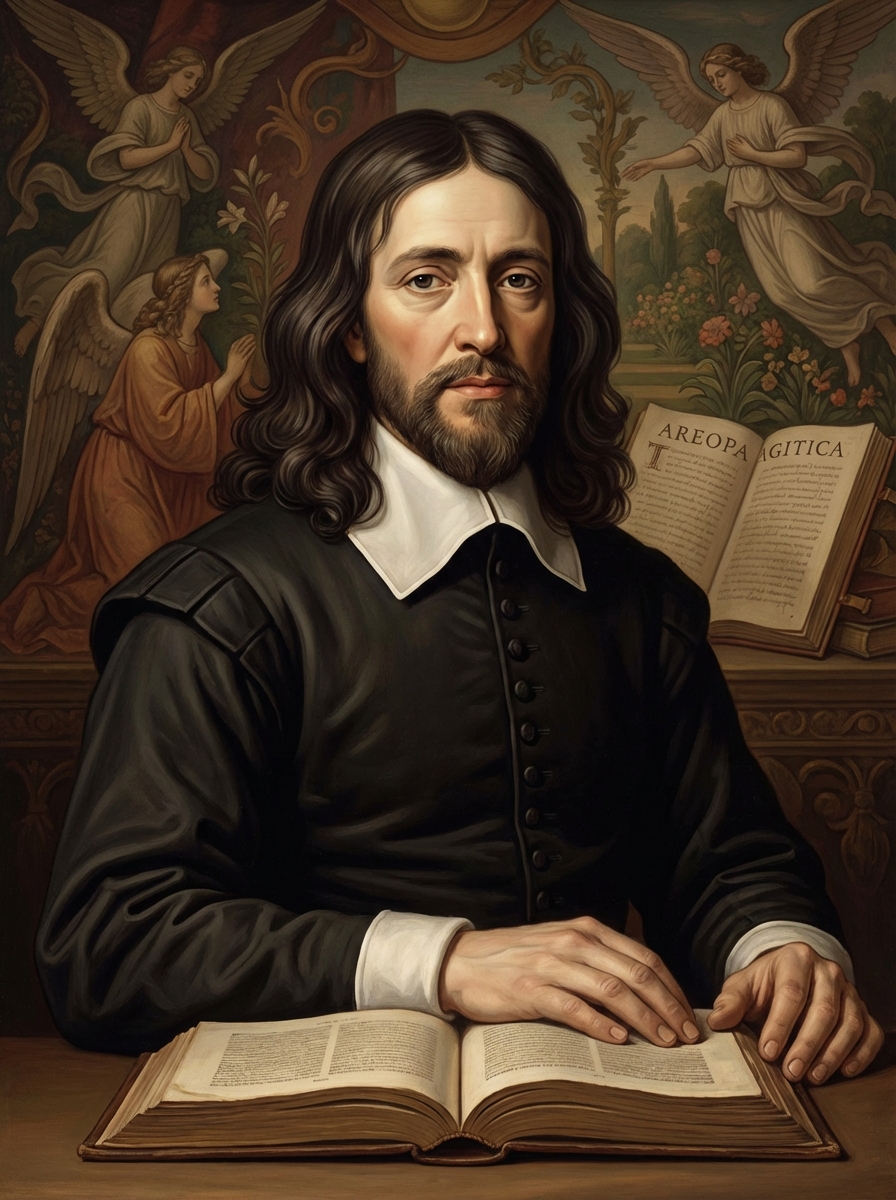
John Milton was a towering intellectual of the 17th century, a fierce advocate for civil liberties and freedom of speech, and one of history's greatest poets. Best known for composing the epic masterpiece 'Paradise Lost' after becoming completely blind, he bridged the gap between Renaissance humanism and the Enlightenment with his profound explorations of free will, rebellion, and redemption. His political tracts and poetry have influenced centuries of thought regarding the rights of the individual against tyranny.

Explore John Milton’s profile
Qin Shi Huang

Qin Shi Huang

First Emperor of China

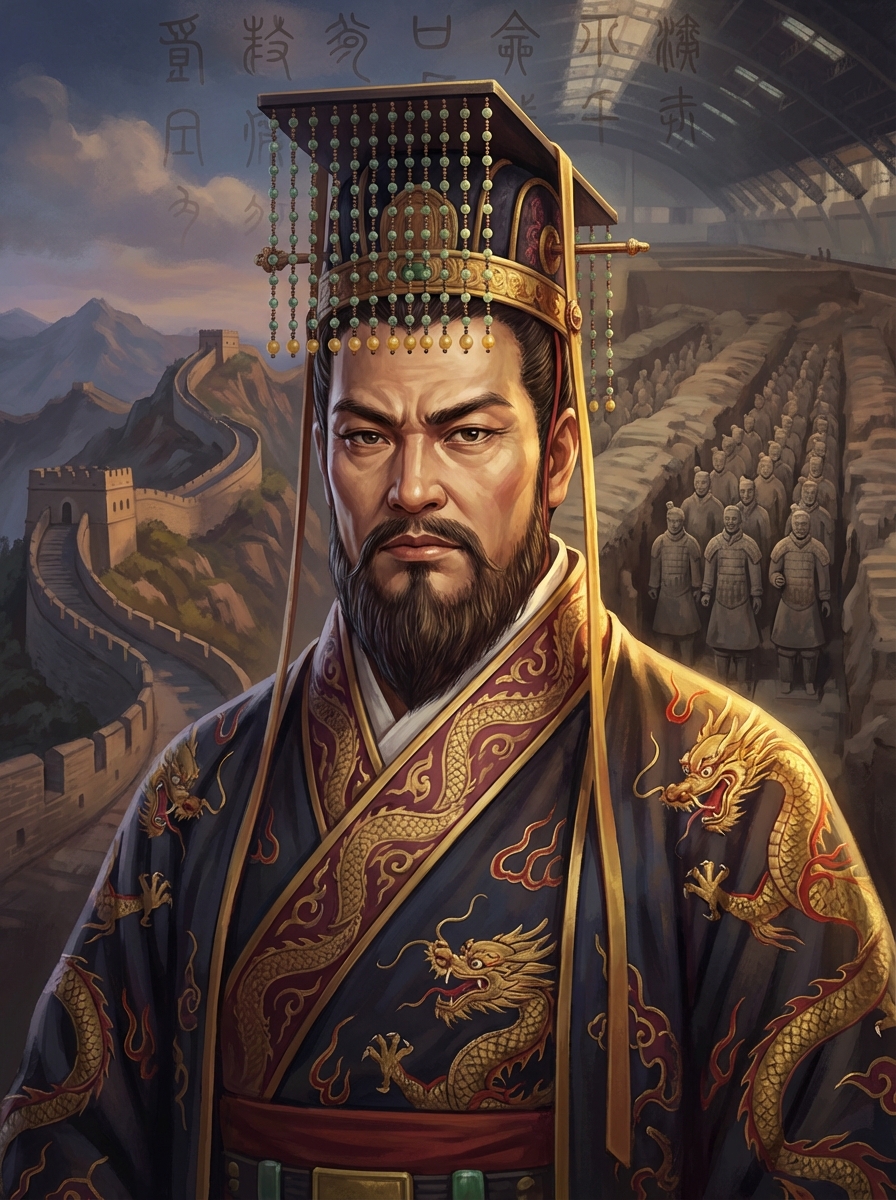
Qin Shi Huang was the formidable founder of the Qin dynasty and the first emperor to unify China, ending the Warring States period through military conquest and administrative standardization. He is best known for constructing the precursors to the Great Wall, standardizing the written script, and commissioning the massive Terracotta Army to guard his spirit in the afterlife. His legacy is a complex blend of tyrannical rule, visionary infrastructure, and an obsessive quest for eternal life.

Explore Qin Shi Huang’s profile